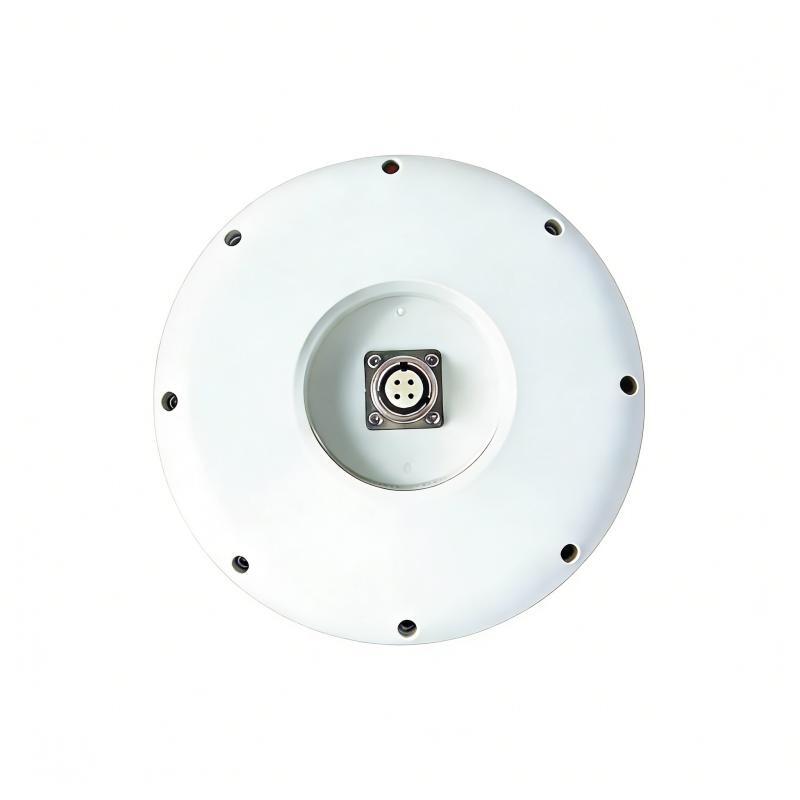
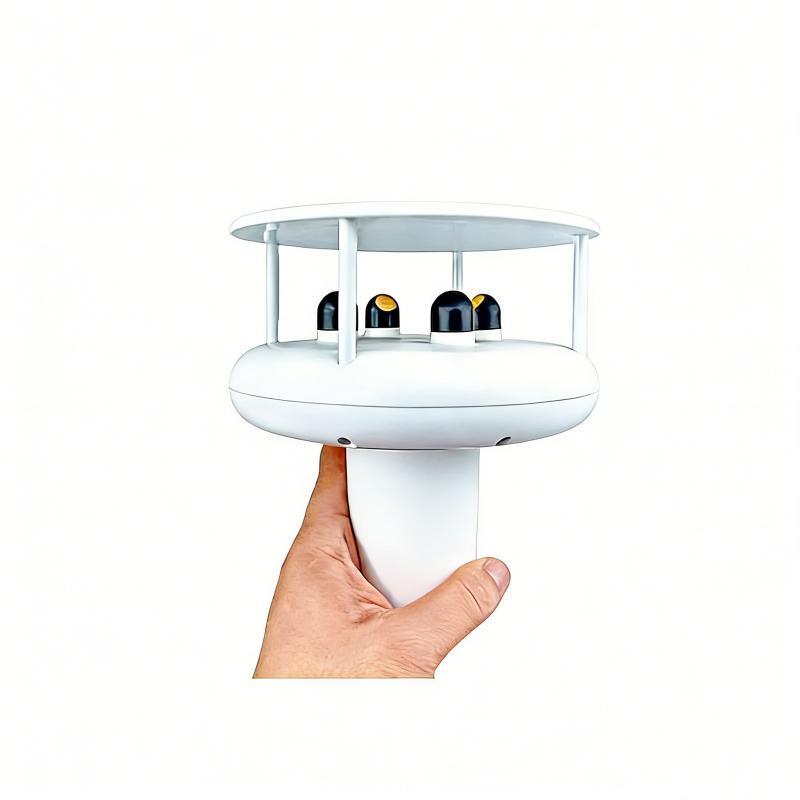
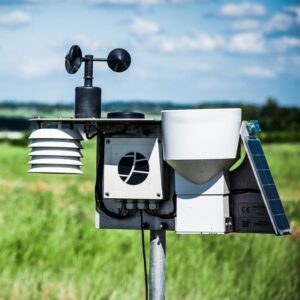
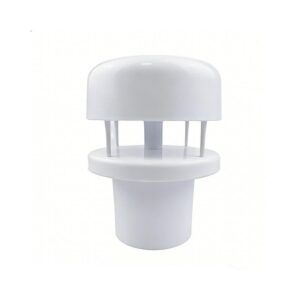
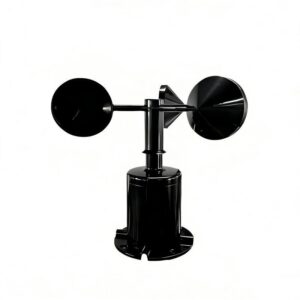
CDF-21A Ultrasonic Wind Speed & Direction Sensor

Specifications

CDF-21A-Specifications

ItemTechnical Specification
Power Supply12-24VDC
Power consumption<1W(Heating not activated); <3W(Heating activated)
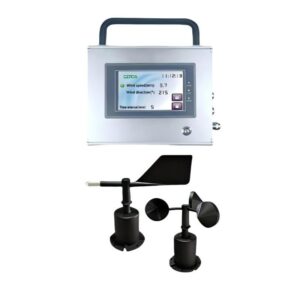
Output SignalRS232/RS485(Modbus/NMEA-0183),4-20mA/0-5V(only for wind speed & direction) optional
Operating Temperature-40℃-+80℃
Ingress ProtectionIP66
Heating powerAutomatically turn on when the ambient temperature is below 0℃
Electronic compassoptional
Atmospheric pressureoptional
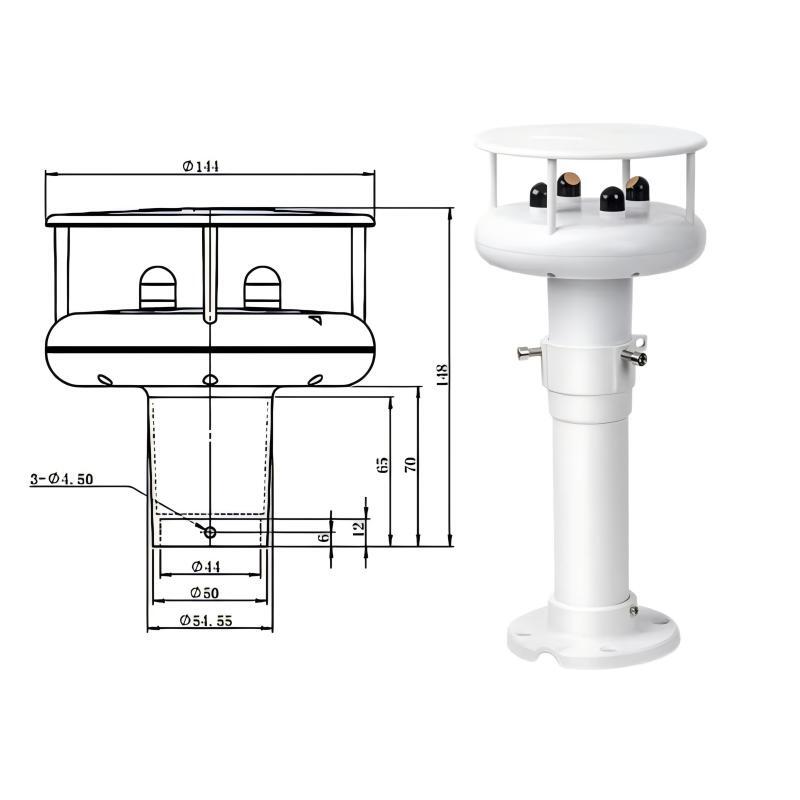
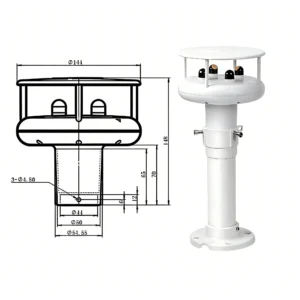
DimensionФ144*148mm
Weight(unpacked)0.8kg
Main materialASA
ItemTechnical Specification
Wind speedWind directionAtmospheric pressure
Range0-45m/s,0-60m/s0-360°150-1100hPa
Resolution0.01m/s0.1hPa
Accuracy≤10m/s:±0.2m/s>10m/s:≤10m/s:±0.2m/s>10m/s:
<±2% the current value±3°±0.5 hPa
Starting Threshold0.1m/s
Extreme Wind Speed60m/s

Download

Accessories softwore

Description

CDF-21A ULTRASONIC WIND SPEED & DIRECTION SENSOR

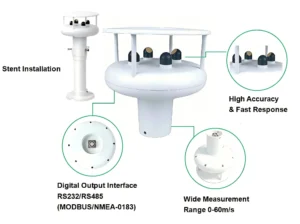
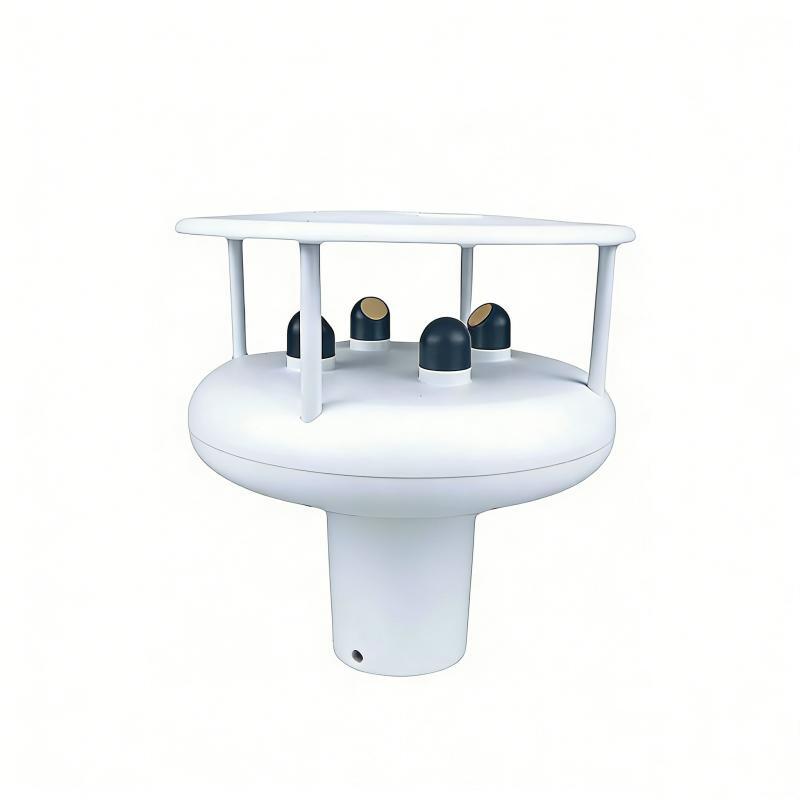
CDF-21A Ultrasonic wind speed and direction sensor as a fully digital detector with high-precision sensors. It is integrated by the ultrasonic wind speed & direction sensors. We make it capable of accurately and quickly detecting the wind speed and wind direction. We equip Ultrasonic wind sensor​ with a built-in signal processing unit that can output a corresponding signal according to user needs.

ULTRASONIC WIND SPEED & DIRECTION SENSOR


APPLICATIONS

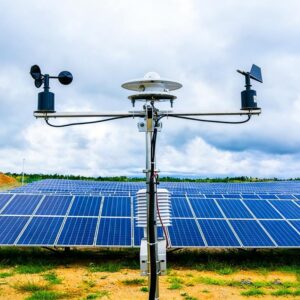
Agricultural Meteorological Station
Agricultural Meteorological Station

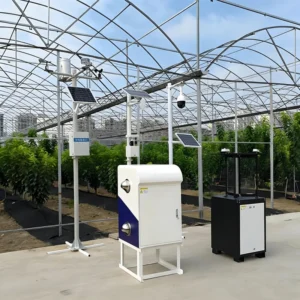
Greenhouse Weather Station
Greenhouse Weather Station

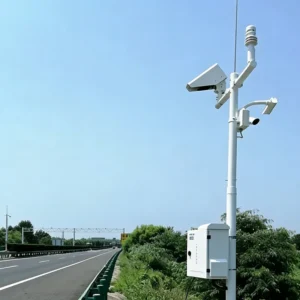
Meteorological Monitoring For Expressway
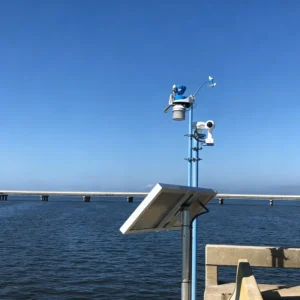
Meteorological Monitoring For Expressway

Weather Station

 Monitoring For High-altitude Facility
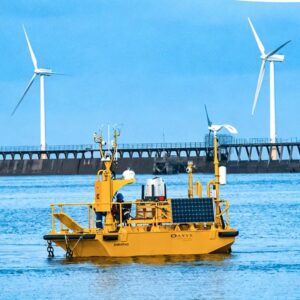
Weather Station

Seawater Transportation Monitoring

Weather Station

Wind Power Generation

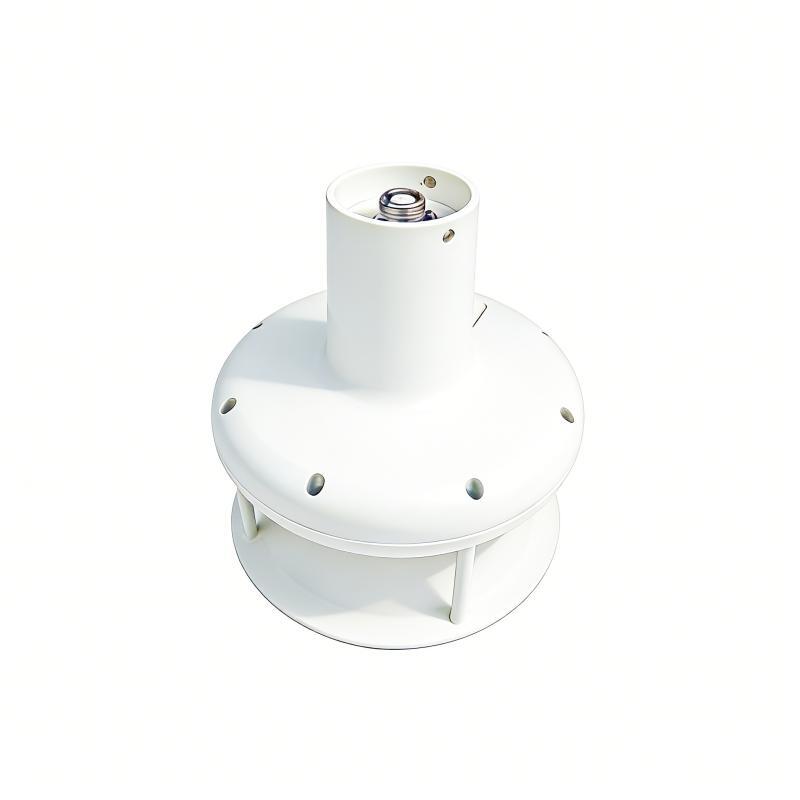
DETAILS SHOW


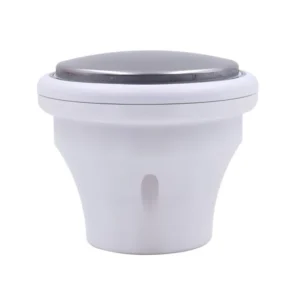
ULTRASONIC WIND SPEED & DIRECTION SENSOR


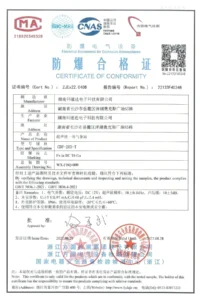
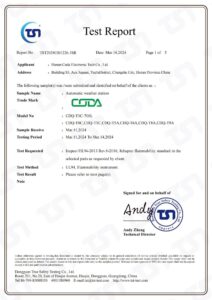
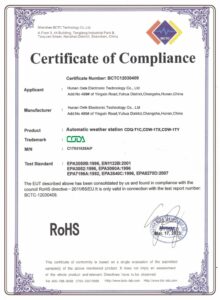
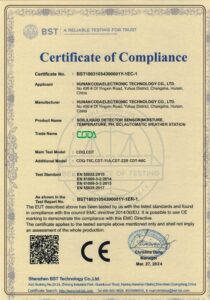
CERTIFICATE


MAINTAIN


Routine Inspection (Weekly)

Visually check the sensor surface for dust, bird droppings, spider webs, snow, ice or frost that may block ultrasonic paths.

Inspect the mounting bracket for looseness, deformation or corrosion.

Check cable connections for damage, water ingress or loose terminals.

Verify real-time data output for abnormal jumps or missing values.

Regular Cleaning (Monthly or as needed)

Gently wipe the ultrasonic transducer surfaces with a soft, lint-free cloth and mild detergent or clean water.

Do not use hard brushes, sharp tools or corrosive chemicals to avoid scratching the sensor surface.

Remove accumulated dust, insects or debris inside the sensor housing to maintain unobstructed ultrasonic transmission.


Periodic Calibration (Quarterly / Half-yearly)

Calibrate against a traceable standard anemometer in a wind tunnel or field comparison.

Confirm wind speed and direction accuracy; correct zero drift and offset if necessary.

Record calibration data and maintain calibration logs for future reference.
Additional information

Model

CDF-21A

OEM/ODM

Available

MOQ

1PCS

Lead Time

5-7 days

Certification

CE-EMC, RoHS, ISO9001

Size

22cm*22cm*23cm

Weight

1.98KG

Payment

T/T, L/C or Credit-card

Dimension & Mounting

ULTRASONIC WIND SPEED & DIRECTION SENSOR

FAQ

1. Q: What is an ultrasonic wind speed and direction sensor?

A: An ultrasonic wind speed and direction sensor (also called an ultrasonic anemometer) is a meteorological instrument that measures wind speed and direction using ultrasonic time‑difference technology, with no mechanical moving parts.

2. Q: How does it work?

A: It uses multiple ultrasonic transducers (typically arranged in a cross pattern) to send and receive ultrasonic pulses. Wind changes the propagation time of ultrasonic waves: faster with the wind, slower against it.

3. Q: What are the main advantages over mechanical anemometers?

A:

  • No moving parts: No wear, longer lifespan, low maintenance
  • Fast response: Captures gusts and turbulence
  • High accuracy: Typically ±2% for wind speed, ±3° for direction
  • Zero start‑up wind speed: Measures from 0 m/s
  • 360° omnidirectional: No dead angle
  • Harsh environment resistance: IP65/IP66, works in rain, snow, dust
4. Q: What are its typical measurement ranges?

A:

  • Wind speed: 0–60 m/s 
  • Wind direction: 0–360°
  • Resolution: 0.01 m/s (speed), 1° (direction)
5. Q: What output interfaces are available?

A: RS485 (MODBUS‑RTU) NMEA-0183

6. Q: Does it need calibration?

A: Factory‑calibrated; no field calibration required for most applications. For high‑precision use, annual verification with a wind tunnel is recommended.

7. Q: Why is the measured wind speed zero?

A: Actual wind speed is below the sensor’s minimum threshold (≈0.01–0.1 m/s)

8. Q: Can it work in extreme weather?

A: Yes, with IP65/IP66 protection. Heated models operate reliably at −40°C and resist freezing rain/ice.

9. Q: What applications is it suitable for?

A: Weather stations, wind farms, ports, bridges, environmental monitoring, smart cities, agriculture, and industrial IoT.

related products

Tell us your requirements, Let's discuss more about your project.we can do more.
Please enable JavaScript in your browser to complete this form.

Welcome to Hunan CODA Electronic Technology Co., LTD

if you have any questions

Supported Payment :
Paypal
L/C
T/T