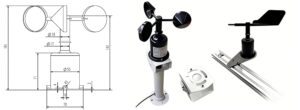
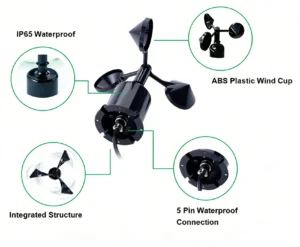
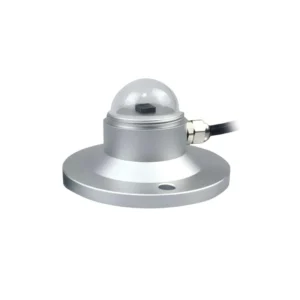
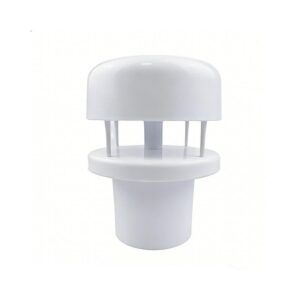
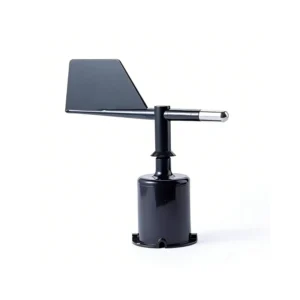
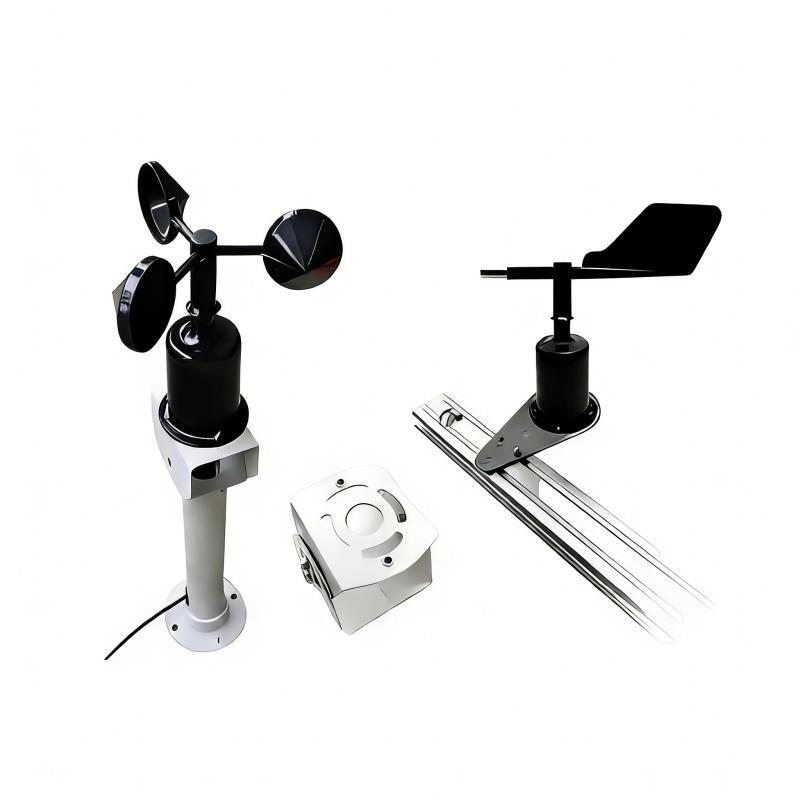
Flange mounted, fix four screws on the bracket and keep the product horizontal.
FAQ
1. Q: What is the measurement range of the wind speed sensor?
A: The sensor measures wind speeds from 0 to 45 m/s, making it suitable for industrial monitoring, agricultural weather stations, and renewable energy applications.
2. Q: Is the CDF-10A’s ABS plastic housing suitable for coastal environments?
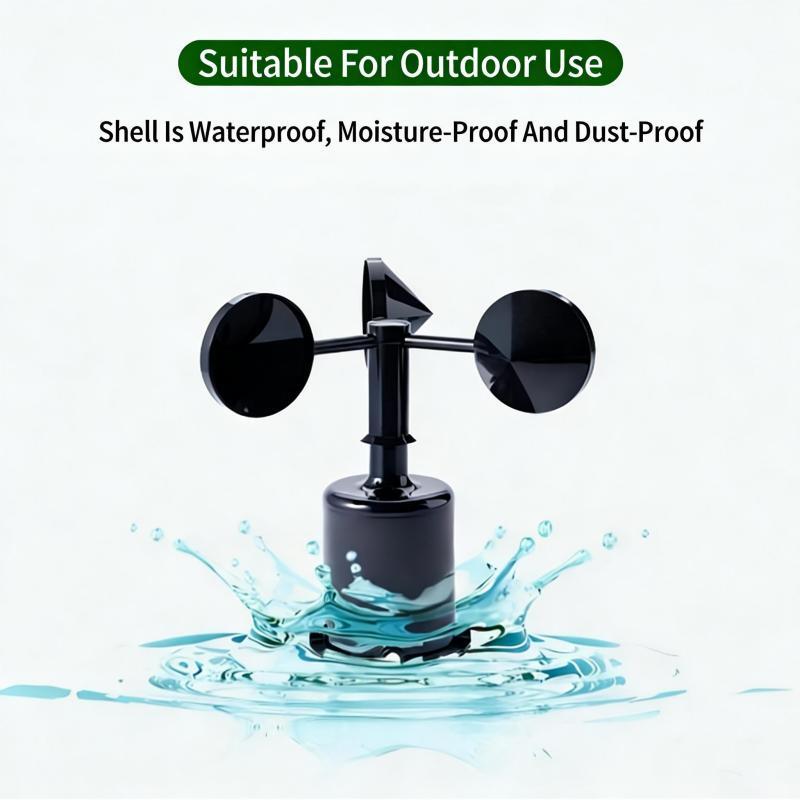
A: Yes. The CDF-10A features seawater-resistant ABS housing with excellent corrosion and UV resistance, ensuring reliable performance in high-humidity, coastal, or other demanding outdoor conditions.
3. Q: What output signal does the provide?
A: The sensor outputs a standard pulse signal and RS485 4-20mA 0-5V 0-10V, which can be easily integrated with data loggers, PLCs, or weather station systems to calculate real-time wind speed.
4. Q: What is the operating voltage of the CDF-10A sensor?
A: The standard supply voltage is 12V DC (12–24V DC compatible), supporting both industrial power setups and battery-powered remote monitoring systems.
5. Q: Does the require on-site calibration after installation?
A: No. All CODA CDF-10A sensors are fully calibrated at the factory before shipment. Simply mount it vertically (10–15m above ground) for accurate measurements without additional calibration.
6. Q: What is the IP rating of the CDF-10A?
A: The sensor has an IP65 ingress protection rating, meaning it is dust-tight and resistant to low-pressure water jets, ideal for long-term outdoor deployment.
7. Q: How long is the service life of the CODA CDF-10A?
A: With proper installation and regular maintenance, the sensor can operate reliably for 5+ years due to its low-friction bearing design and durable ABS construction.
8. Q: Can the sensor be used in extreme temperature conditions?
A: The CDF-10A operates in a temperature range of -40°C to +50°C, making it suitable for use in cold climates, desert environments, and other extreme weather scenarios.
9. Q: Is the sensor compatible with third-party weather station systems?
A: Yes. Its pulse output and standard mounting interface allow seamless integration with most commercial weather monitoring platforms and data acquisition systems.
Description
CDF-10A WIND SPEED SENSOR
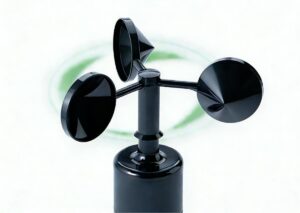
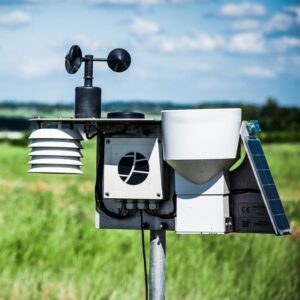
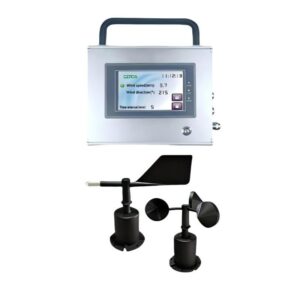
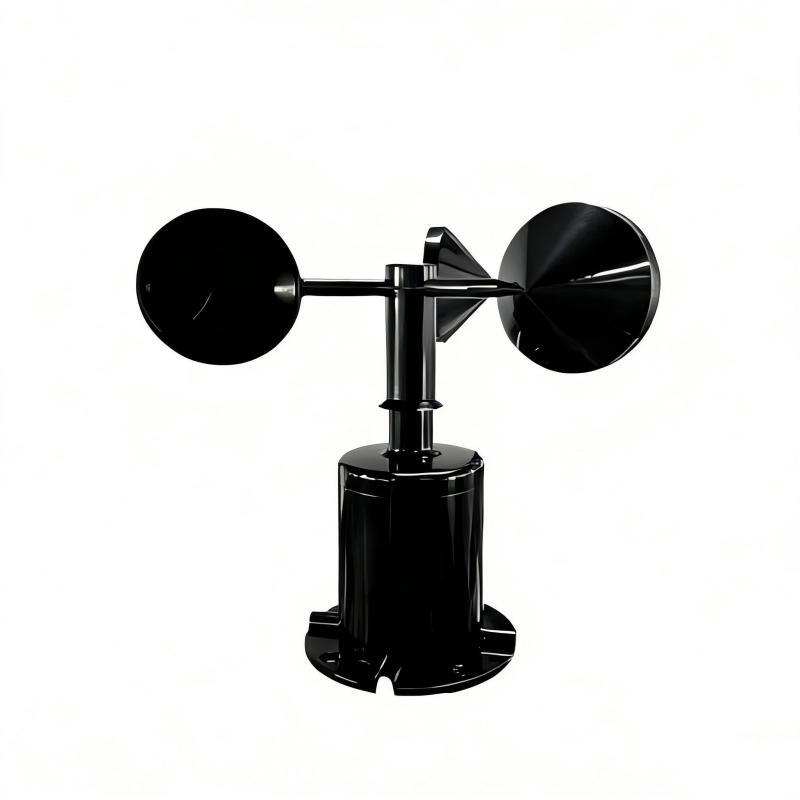
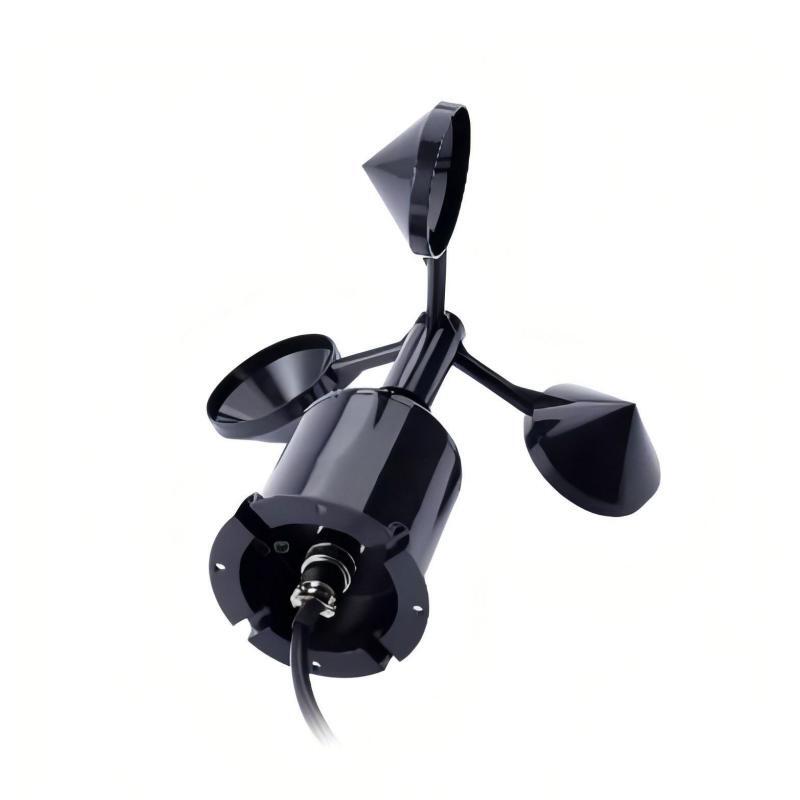
The anemometer, commonlyknown asa wind speed sensor, is anessentialcomponent of weather monitoring stations and plays a crucial role in analyzing environmental conditions. It measures wind speed andconverts the data into an electrical signal expressed in meters per second (m/s). Designed specifically to measure horizontal wind speed irrespectiveof its direction, the wind speed meter is builtfordurability. Its seawater-resistant ABS housing ensures exceptionalresilience and longevity,making it well-suited for demanding environments.
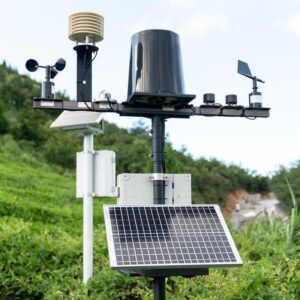
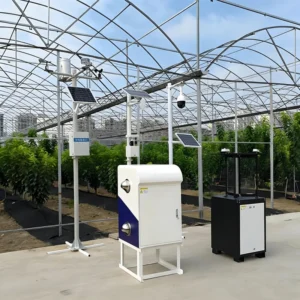
Metereological Monitoring For High-altitude Facility
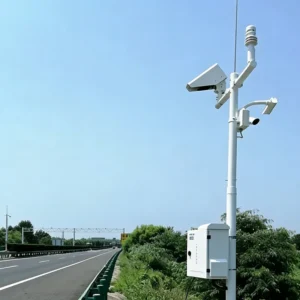
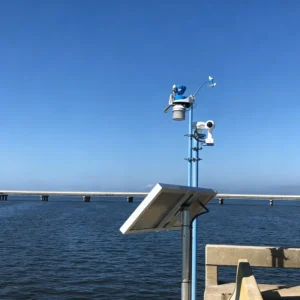
Seawater Transportation Monitoring
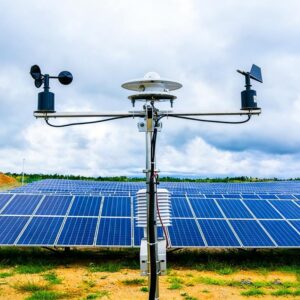
Wind Power Generation
DETAILS SHOW
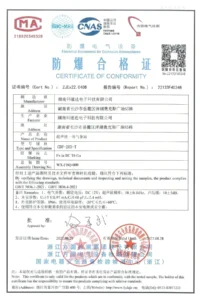
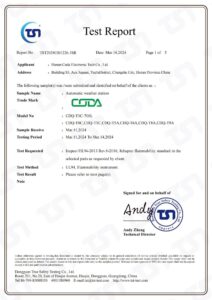
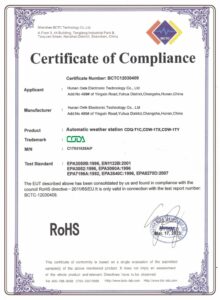
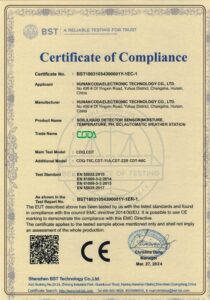
CERTIFICATE
MAINTAIN
1. Routine Inspection (Weekly / Monthly)
Visually inspect the anemometer cups or blades for deformation, cracks, or entanglement by debris such as branches, spider webs, and dust. Rotate them manually to confirm smooth rotation without jamming or abnormal resistance.
Check the mounting bracket and base for looseness, rust, or deformation, and tighten all fixing bolts as needed.
Inspect the sensor housing and sealing ring for cracks, water ingress, or aging. Replace damaged seals immediately to prevent internal moisture damage.
Examine the cable and connector for wear, breakage, or oxidation. Clean terminals with anhydrous ethanol and apply conductive grease to maintain good electrical contact.
Verify the power supply voltage (normally 12–24 VDC) and check for abnormal fluctuations.
Monitor the output signal (analog 4–20mA / RS485 digital signal) for stability, data loss, or garbled codes through a multimeter or host monitoring system.
2. Periodic Maintenance (Quarterly / Annual)
Thoroughly clean the wind meter cups, blades, and shell with a soft brush and dry compressed air. Avoid hard scraping that may damage the surface coating.
Properly lubricate the internal bearing with low-viscosity lubricating grease to keep rotation flexible; avoid excessive grease that may trap dust.
Check internal circuit components for moisture, corrosion, or damage, and keep the interior dry with desiccant if necessary.
Perform wind speed calibration using a standard wind tunnel or calibrated reference instrument to correct deviation and ensure measurement accuracy.
Test the communication function to confirm stable data transmission between the sensor and SCADA/PLC/recorder.
SERVICES AND GUARANTEES
MOQ: 1 unit | Lead time: 5–7 working days
OEM & ODM supported | Custom LOGO & communication protocol available
CE, RoHS, ISO9001 certified
User manual, software & 24/7 technical support provided
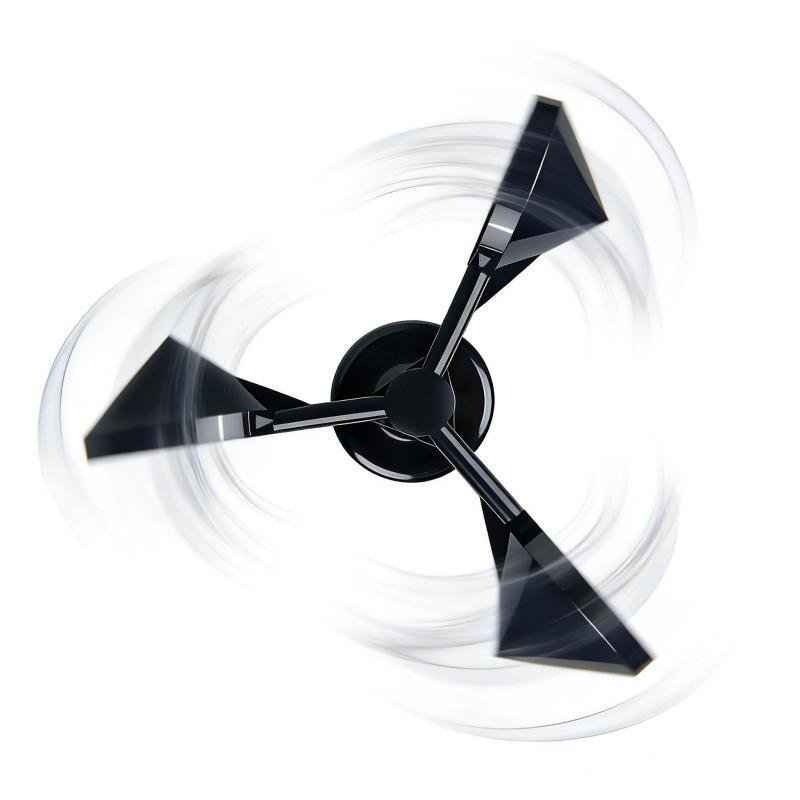
 Starting wind speed of less than 0.5 meters per second.