How Does a Wind Vane Anemometer Measure Both Wind Direction and Speed?
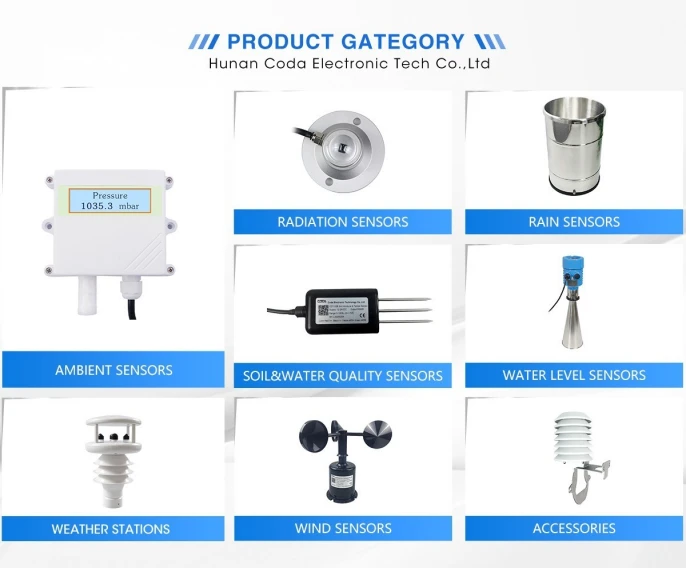
Wind vane anemometer are important tools. They measure wind direction and speed at the same time. These useful devices are used in weather, aviation, and environmental monitoring.
They give important information for predicting the weather, making wind energy, and doing research. Below, we will look at how these tools work. We will also look at how they get accurate wind readings in real time.
Understanding the Function of a Wind Vane Anemometer
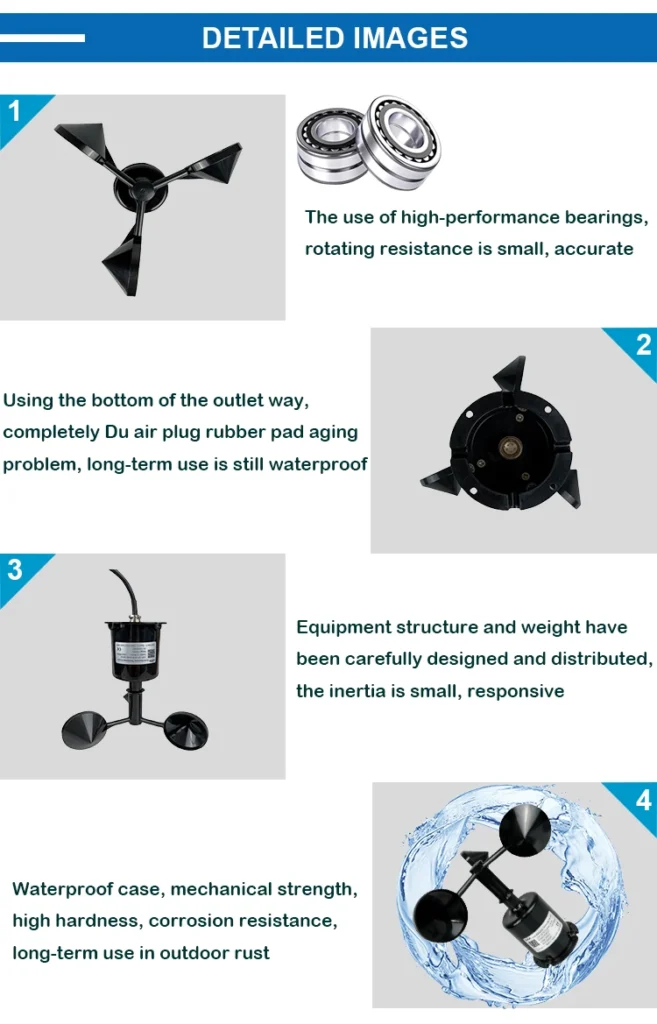
A wind vane anemometer has two main parts: a wind vane and an anemometer. The wind vane is a light device that spins. It is mounted on a vertical axis and points with the wind. This helps it find out where the wind is coming from.
The anemometer measures how fast the wind blows. It often has cup-shaped rotors that spin when the wind blows. Some anemometers use advanced sensors. These sensors detect changes in air pressure caused by the wind.
As the wind blows, the wind vane points in the right direction. The anemometer measures wind speed by using rotation or pressure. By combining data from both parts, the device gives accurate and real-time measurements of wind speed and direction. Data is often sent in real-time to a central system for more analysis.
Calibration of a Wind Vane Anemometer
To stay accurate, it is important to calibrate wind vane anemometers regularly. This means checking if the wind vane is lined up correctly. You also need to check the sensitivity and function of the anemometer. You can calibrate by comparing readings to a handheld anemometer or another calibrated unit in the same place.
The process involves turning the wind vane to face the direction of the incoming wind. This is done when there is no outside airflow interference.
Check the anemometer for any signs of wear or defects. These issues could affect how it works. Routine calibration makes sure the data collected over time is reliable.
Determining Wind Direction with a Wind Vane Anemometer
Knowing the wind direction is important for predicting the weather. It helps us see how weather systems move and if bad weather might occur. Wind vane anemometers work by letting the wind vane line up with the incoming air. The position of the vane is changed into an electrical signal using potentiometers or encoders.
This signal is processed and shown as a compass direction, like north, south, east, or west. This happens through a data logger or monitoring station. Tracking changes in wind direction over time helps us see patterns. This makes these instruments very useful during storms or sudden weather changes.
Measuring Wind Speed with a Wind Vane Anemometer
Wind speed is a key factor in understanding weather strength and the risks of strong winds. Wind vane anemometers measure wind speed using different methods.
These include cup-style anemometers and advanced sonic technology. Cup anemometers use rotating cups to measure wind speed. They do this by tracking how fast the cups spin.
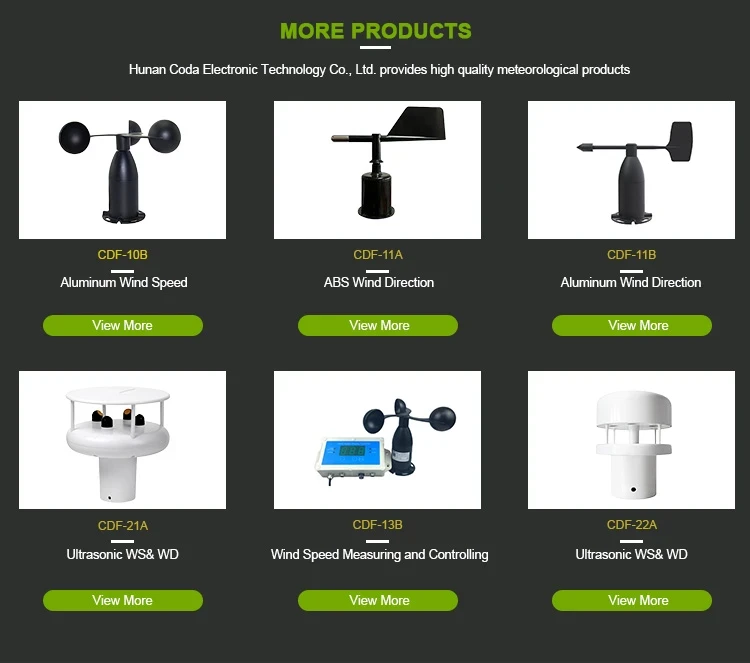
Sonic anemometers measure wind speed using sound waves. They provide more accurate readings. Sonic anemometers are more accurate, but they are also more expensive and need regular maintenance.
No matter the technology used, wind speed measurements from these tools help map wind speeds. They also help us understand how the wind behaves and make weather forecasts.
Applications of Wind Vane Anemometers
Wind vane anemometers serve vital roles across numerous fields. In meteorology, they monitor weather conditions, track storms, and support climate research projects. Aviation uses them to check the wind on runways. This helps improve aircraft safety during landings and takeoffs.
In renewable energy, these tools are essential. They help decide where to put wind turbines. And they also predict how much energy wind farms will produce. They are also used to monitor the environment, check pollution, plan cities, and design sustainable buildings.
conclusion
In summary, wind vane anemometers are useful tools. They measure both wind direction and speed at the same time. These tools combine a wind vane and an anemometer. They give important data for many industries and uses.
Wind vane anemometers are important tools. They assist with weather forecasts, creating wind energy, and doing scientific research. These devices analyze and use the power of wind.