Cost of Weather Monitoring Equipment
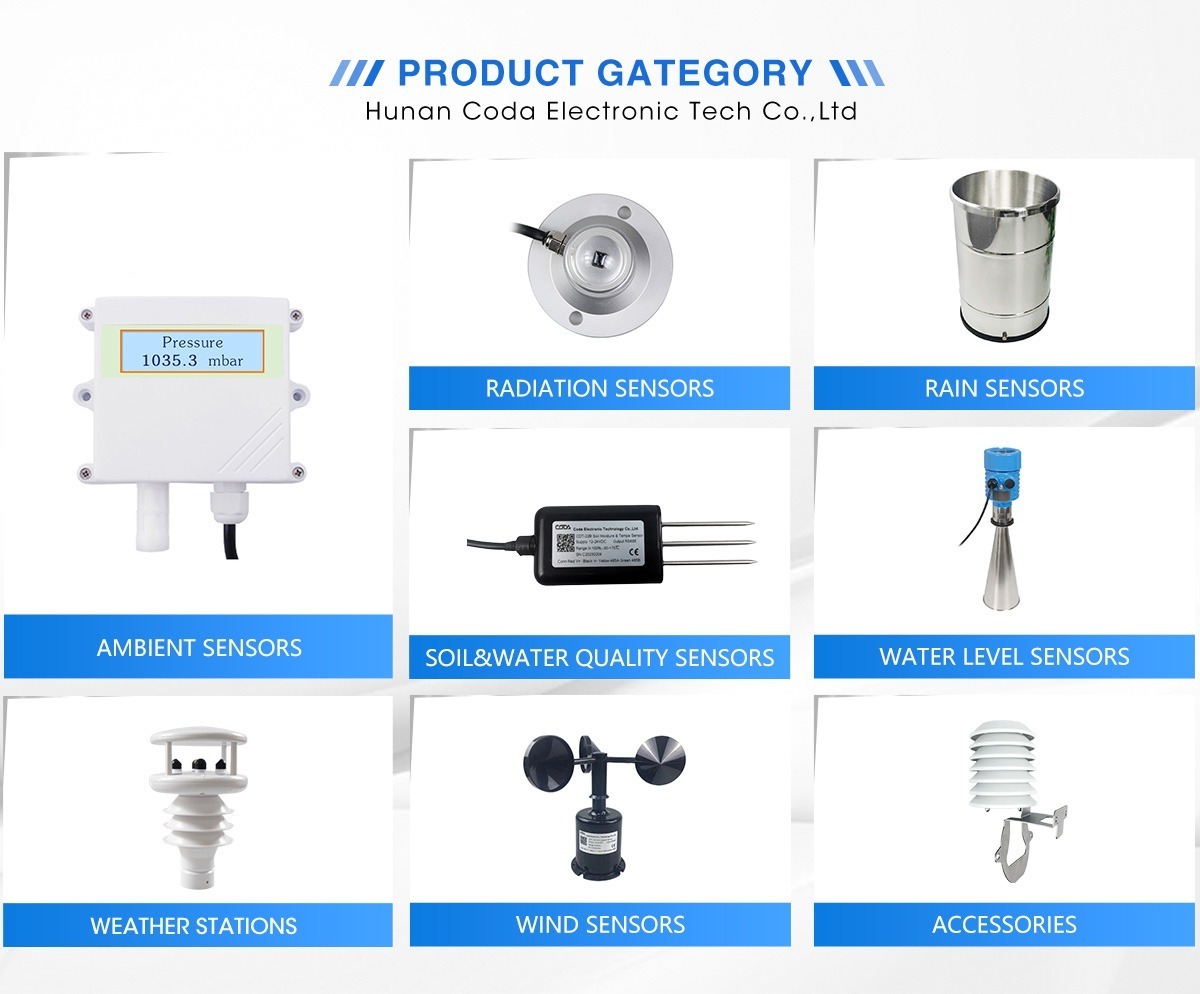
Meteorological monitoring equipment serves to collect, measure, record, and transmit critical weather and atmospheric data. Such equipment plays a vital role in fields like weather forecasting, agriculture, water resource management, environmental protection, and energy systems. This article looks at the costs of weather monitoring equipment. It also gives tips on choosing the best products.
**1. Cost of Weather Monitoring Equipment**
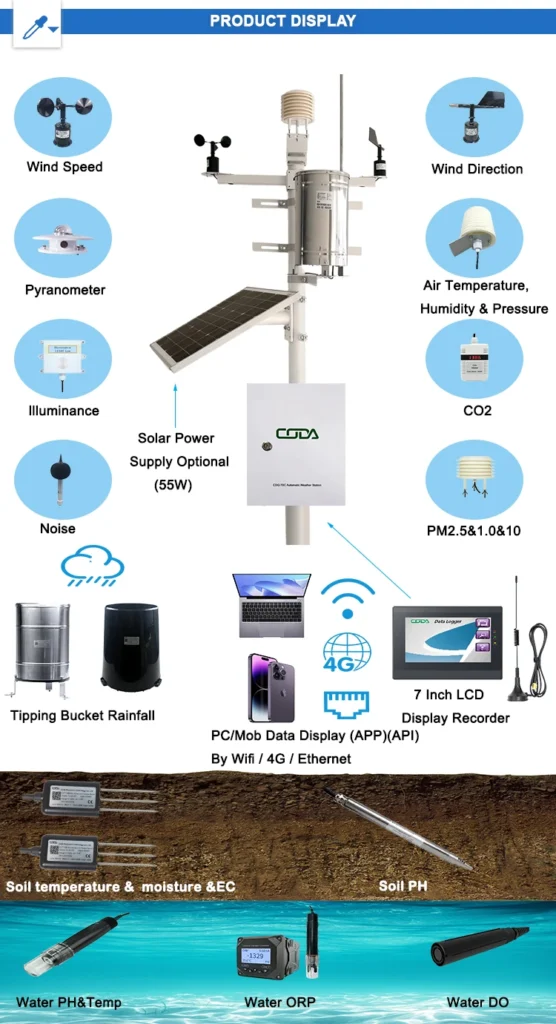
The cost of weather monitoring equipment can vary. It depends on factors like the brand, features, accuracy, and specifications. Here is a summary of the price ranges for common weather monitoring devices. This data comes from well-known manufacturers.
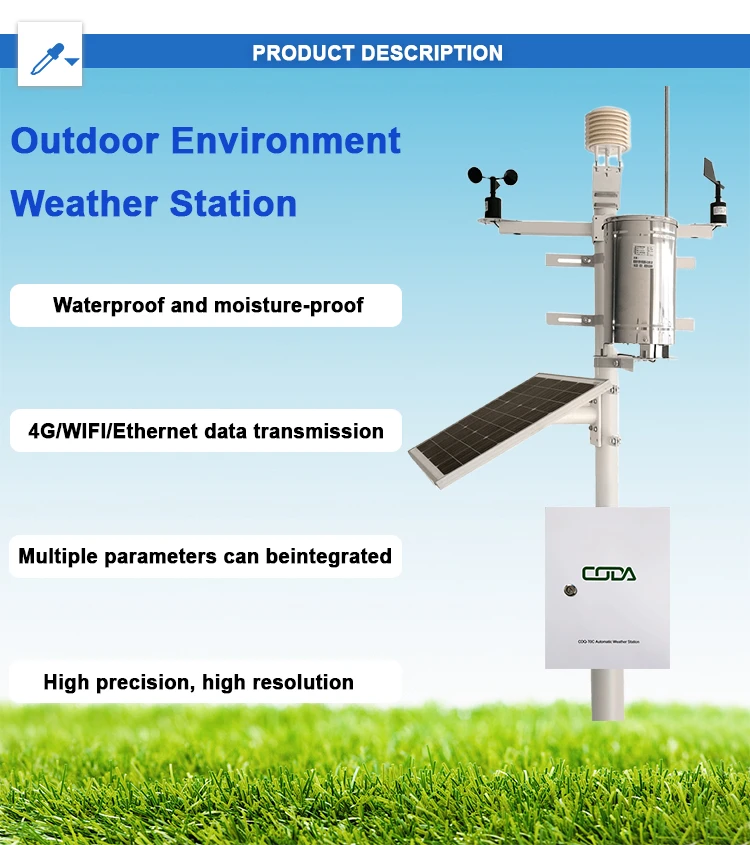
– **Automated Weather Stations**:
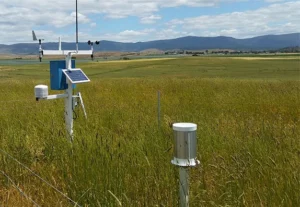
These are devices that serve many functions. They are made for precise and fully automated weather monitoring. Their price typically ranges between $2,000 and $5,000.
– **Radar Weather Stations**:
Utilizing advanced radar technology for weather analysis, these systems are priced between $8,000 and $10,000.
– **Radiometers**:
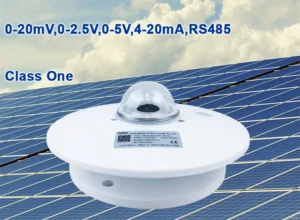
Radiometers measure sunlight and how it reflects. They usually cost between $2,000 and $5,000.
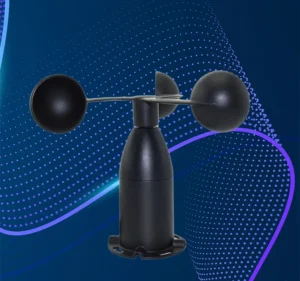
– **Anemometers**:
These devices measure wind speed and direction. They cost from $500 to $1,000.
– **Hydrographic Level Meters**:
These measure things like water level, flow rates, and temperature. Prices usually fall between $1,000 and $2,000.
**2. How to Choose the Right Meteorological Monitoring Equipment**
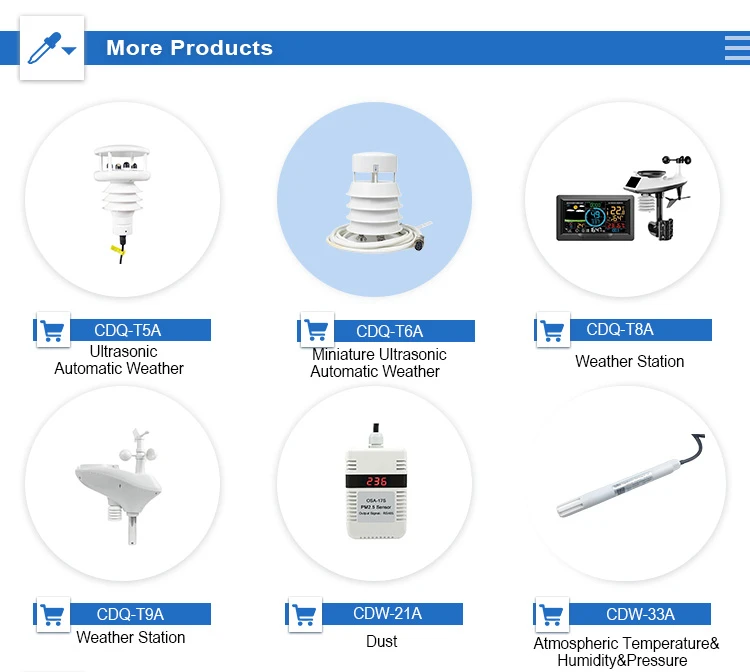
When choosing weather monitoring devices, it is important to think about several factors. This will help make sure they meet your needs.
– **Monitoring Requirements**:
Different industries need different features in weather equipment. For example, farmers may need tools to measure soil moisture.
Environmental agencies are focused on checking air quality and pollution levels. Energy companies may focus on devices that measure solar radiation. It is important to know the specific purpose of use. Then, choose the right equipment for that purpose.
– **Accuracy Needs**:
The reliability of collected data is very important. It directly impacts predictions and choices.
Choose devices that meet your accuracy needs. This will help stop measurement errors. These errors could lead to wrong conclusions or actions.
– **Quality Assurance**:
Weather monitoring tools have been used for a long time. It is important to make sure they are reliable and well-made. Choose well-known brands that have a good history. Look at reviews or ratings to see how good the product is and how well it works.
– **Cost Considerations**:
The price of weather monitoring equipment is often a key concern for buyers. Try to find equipment that meets your needs and fits your budget. Finding a balance between quality and cost will lead to a better investment.
– **Service and Support**:
Maintenance and technical problems can happen while weather monitoring devices are in use. Make sure the product you choose has good after-sales service. It should also offer easy technical support to solve problems quickly.
By thinking about these factors, you can pick weather monitoring equipment that fits your needs and budget.