What Materials Are Used to Make Rain Gauges?
Rain gauges are important tools for measuring rainfall in certain areas. They come in different shapes and sizes. But what materials are used to make them?
This article looks at the different materials used to make rain gauges. It also talks about their good and bad points.
**Plastic**
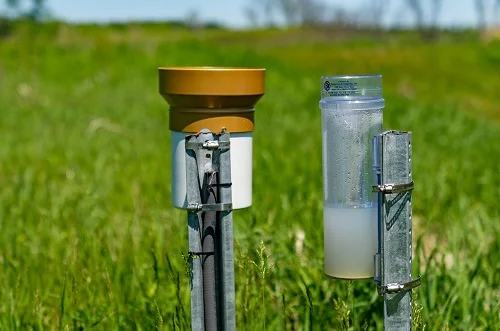
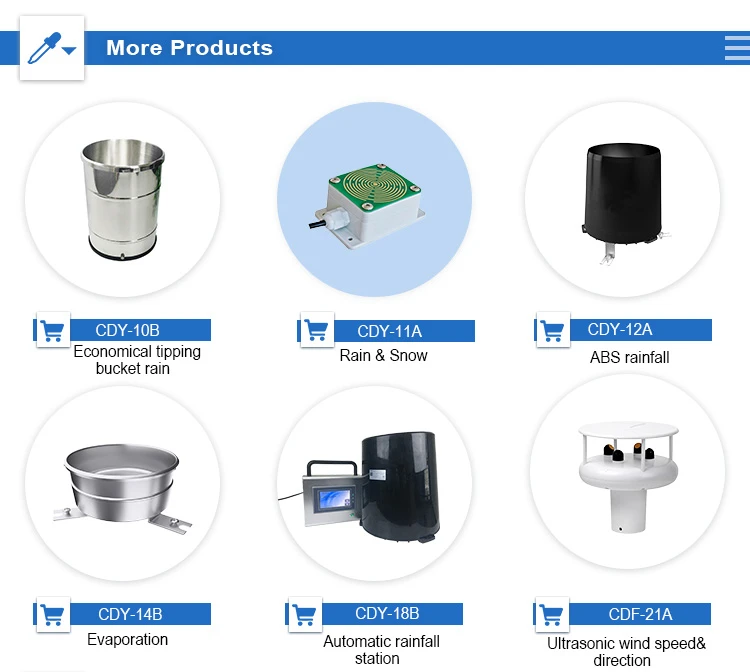
Plastic is frequently used for rain gauges due to its light weight, durability, and cost-effectiveness. Its clear design makes it easy to check water levels.
It comes in many styles. They come in simple shapes like cylinders. They also include fun designs like animals and flowers. This type is appealing to many users.
While plastic rain gauges are cost-effective and convenient, they do have their downsides. Being in the sun for a long time can make the material break down.
It might get weak or change color as time goes by. Plastic can bend or stretch in very high or low temperatures. This could change how accurate the measurements are.
**Glass**
Glass is a popular choice for rain gauges. Many people like it for its classic and elegant look. It can add a touch of elegance to gardens and outdoor spaces.
Glass rain gauges are often more accurate than plastic ones. This is because they are less likely to warp or change shape.
Glass rain gauges are fragile and can break easily, especially when it’s cold. They are often more expensive than plastic ones, which might turn away some buyers. For those who care about durability and looks, glass is still a good choice.
**Metal**
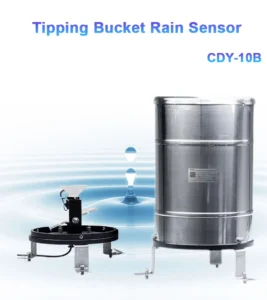
Metal rain gauges are not as common, but they are very strong. They are made to handle tough weather conditions.
Stainless steel is prized for its ability to resist rust and corrosion. This makes it great for outdoor use. It can handle heavy rain, snow, and strong winds for a long time.
Metal rain gauges have some downsides. They cost more and are not as decorative as gauges made from different materials. Metals like iron and copper can rust if they are not cared for properly. Metal rain gauges are very strong and last a long time, even with these possible problems.
**Ceramic**
Ceramic rain gauges are a stylish choice compared to regular ones. They come in many shapes, sizes, and colors. They often have designs that are hand-painted in detail. This makes them both helpful and pretty for gardens or patios.
Ceramics are more fragile than plastic or metal. They can easily chip or crack. They are also heavier, which can make them harder to move or adjust. While they may not handle rough use or bad weather well, they are still a nice choice for outdoor beauty.
**Wood**
If you want a rustic and eco-friendly choice, wooden rain gauges are a great option. They are usually made from sustainable materials like bamboo. They fit well in outdoor settings and add a warm, natural feel.
Wood is not as durable as other materials. It can warp, split, or rot when it gets wet over time. Regular maintenance, like sealing or staining, is needed to protect wooden gauges from weather damage and insects. Even with these challenges, they offer a good choice for users who care about the environment.
conclusion
In summary, rain gauges are made from different materials. Each material has its own benefits and drawbacks. Plastic is cheap and easy to use. Glass gives a touch of elegance and precision. Metal is strong and long-lasting.
Ceramic adds a nice decorative touch. Wood brings a rustic look and is good for the environment. When picking a rain gauge, think about your budget, climate, style, and how you plan to use it. This will help you pick the best choice for what you need.