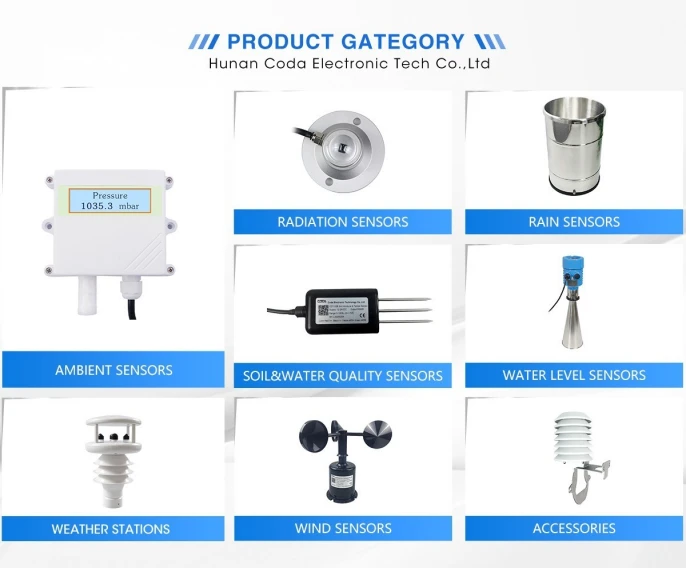
Stainless Steel Rain Gauge
Measuring rainfall is important for weather studies, farming, water management, and taking care of the environment. A good rain gauge collects accurate data and can handle tough outdoor conditions.
Among different types of rain gauges, the stainless steel rain gauge is known for its great durability and resistance to rust. It also performs well over a long time.
This article looks at the main benefits, features, uses, and tips for picking stainless steel rain gauges. It will help you find the best choice for your rainfall monitoring n
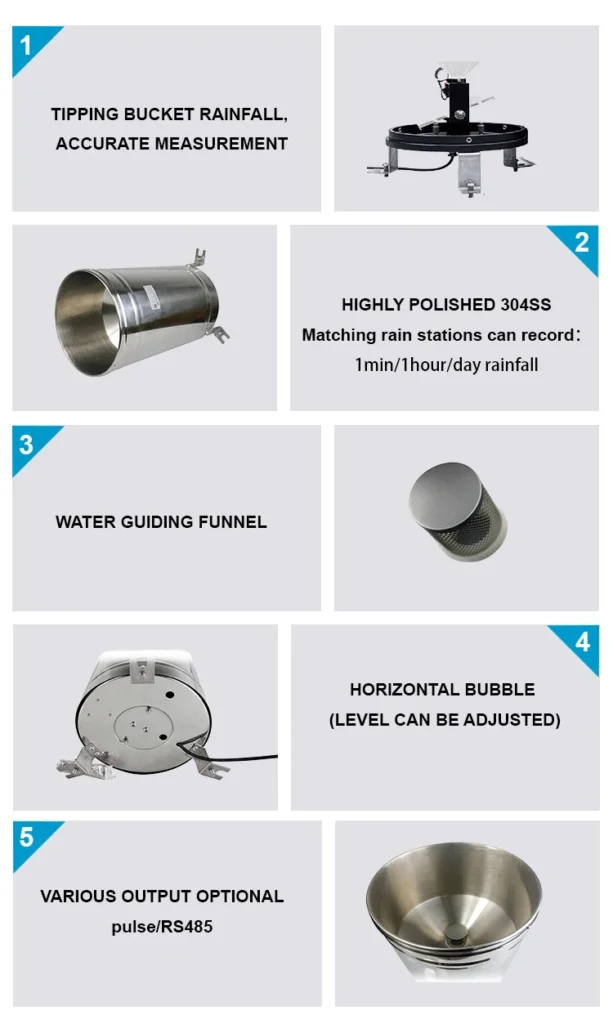
Why Choose Stainless Steel Rain Gauge? Core Advantages
Stainless steel rain gauges are better than plastic, aluminum, or glass ones. This makes them the best choice for professionals and for long-term outdoor use.
1. Superior Durability & Long Lifespan
Stainless steel, especially grades 304 and 316L, is known for its strength and resistance to wear. It can handle extreme weather like heavy rain, strong winds, snowstorms, and bright sunlight. It will not bend, break, or get old.
Stainless steel rain gauges last 10-20 years. This lasts much longer than plastic ones. Plastic can break down when exposed to UV light. Aluminum can rust as time goes on. With stainless steel, you save money on replacements and maintenance.
2. Excellent Corrosion Resistance
Outdoor rain gauges are always exposed to moisture and rainwater. In some areas, this rainwater may have acidic or alkaline substances. They can also be affected by coastal salt spray.
Stainless steel resists corrosion, which prevents rust and wear. This keeps the gauge strong and accurate for a long time. This benefit is very important for certain areas.
This includes coastal regions, industrial zones, and places with acidic rain. In these locations, other materials may not last long.
3. High Measurement Accuracy
Precision is the main need for any rain gauge. Stainless steel has stable physical properties. This means the inner diameter, depth, and shape of the gauge remain the same over time. It helps prevent mistakes in measurements caused by changes in materials.
Most stainless steel rain gauges follow a standard design. They meet international meteorological standards, like WMO standards. These gauges can measure with a resolution of 0.1 mm or 0.01 inches. This design meets the needs of professional weather observation and scientific research.
4. Easy Maintenance & Eco-Friendliness
Stainless steel surfaces are smooth. They are also easy to clean. Wiping with a damp cloth can remove dust, dirt, or algae. You do not need harsh cleaning agents.
Stainless steel can be recycled. This is good for the environment and helps support sustainable development around the world. Stainless steel rain gauges are better for the environment than plastic ones. They create less harmful waste.
Technical Features of High-Quality Stainless Steel Rain Gauges
A professional stainless steel rain gauge integrates multiple technical details to ensure reliable performance. When selecting, pay attention to the following key parameters:
– Stainless Steel Grade: 304 stainless steel works well in general outdoor areas. 316L stainless steel resists corrosion better. It is perfect for coastal, marine, or industrial places with high corrosion risks.
– Measurement Range & Resolution: Common measurement ranges are 0-50mm for rainfall or 0-2000mm for annual rainfall. Resolutions can be 0.1mm, 0.2mm, or 0.01 inches. Choose according to your specific monitoring needs.
– Calibration Standard: Follows international standards like WMO (World Meteorological Organization) and ISO. This ensures that measurement data is accurate and comparable.
– Installation Type: Available in fixed (ground-mounted, pole-mounted) and portable types. Fixed types work well for long-term observation stations. Portable types are best for field surveys and temporary monitoring.
– **Extra Features:** Some advanced models may have:
– Digital recording
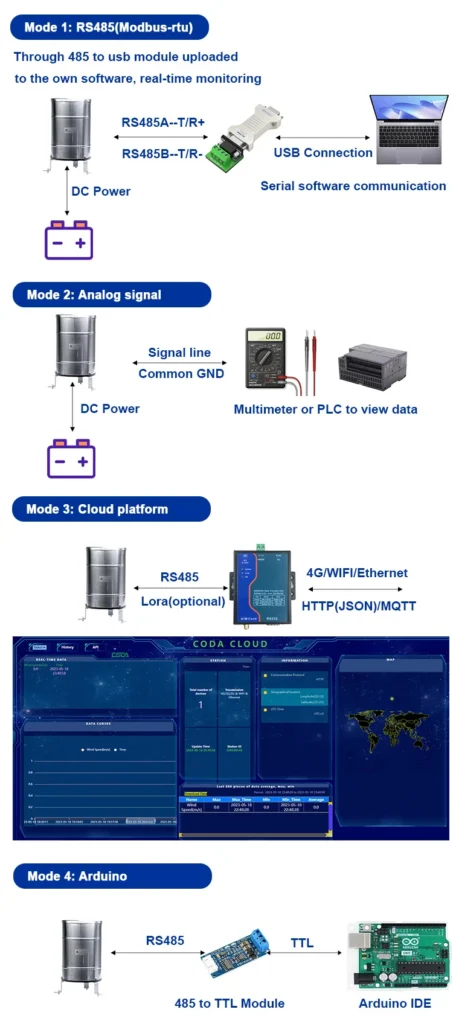
– Data transmission options, such as RS485 or GPRS
– Heating systems to prevent freezing in cold areas
– Protection Level: IP65 or higher means it is waterproof and dustproof. This ensures it works well in tough outdoor conditions.
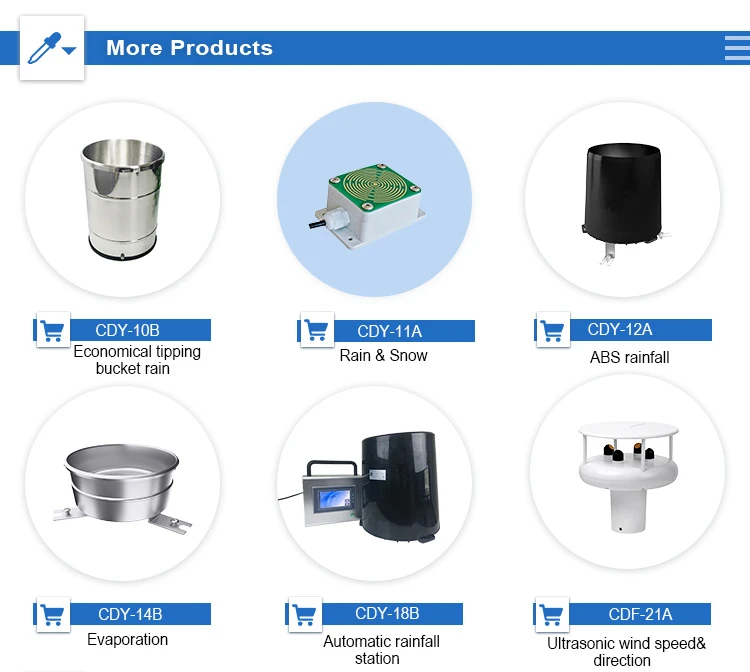
Wide Application Scenarios of Stainless Steel Rain Gauges
Stainless steel rain gauges are popular. They are strong and give accurate measurements. They are used in many places that need accurate rainfall measurement.
1. Meteorological Observation
National and regional weather stations and climate research centers use stainless steel rain gauges. These gauges help collect accurate rainfall data for a long time. These data are essential for weather forecasting, climate change research, and natural disaster early warning (such as floods, droughts).
2. Agriculture & Irrigation
In agriculture, rainfall data helps farmers plan irrigation. It allows them to use water wisely and avoid crop damage from too much or too little rain. Stainless steel rain gauges are great for farms, greenhouses, and orchards. They can last a long time outdoors.
3. Hydrology & Water Conservancy
Hydrological stations use stainless steel rain gauges to monitor rainfall in watersheds, reservoirs, and rivers. This data is crucial for water resource management, flood control, and hydropower station operation.
4. Environmental Monitoring & Pollution Control
Stainless steel rain gauges help protect the environment. They measure acid rain, track pollution from rainfall runoff, and evaluate how human actions affect nature. They are widely used in industrial parks, mining areas, and nature reserves.
5. Construction & Civil Engineering
During construction projects like highways, bridges, and tunnels, measuring rainfall is important. It helps keep construction safe and prevents waterlogging. Stainless steel rain gauges are strong and work well on construction sites with tough conditions.
6. Education & Scientific Research
Schools, universities, and research institutions use stainless steel rain gauges. These tools help students and researchers study weather and the environment. They aid in understanding natural events and doing scientific research.
How to Select the Right Stainless Steel Rain Gauge?
To pick a stainless steel rain gauge that works for you, think about these factors:
1. Define Your Application Scenario:
If you are in coastal areas, choose 316L stainless steel for better corrosion resistance. If you live in cold areas, think about models that have heating features. For field surveys, portable types are more suitable.
2.Check Measurement Accuracy & Standards:
Make sure the rain gauge meets international standards, like WMO. It should have the right resolution, such as 0.1mm for professional use.
3. Think About Extra Features:
If you need real-time data, pick models with RS485, GPRS, or IoT functions. If you want long-term data storage, choose models with digital recording modules.
4. Verify Product Quality & After-Sales Service:
Pick products from trusted makers who have strong quality checks. Make sure there is a calibration certificate, a warranty period, and professional after-sales service.
5. Budget Planning:
Different models have different prices. This depends on the materials, functions, and accuracy. Choose the best product by balancing performance and cost.
Maintenance Tips for Stainless Steel Rain Gauges
-Stainless steel rain gauges are easy to care for. With proper maintenance, they last longer and measure accurately.
– Clean the inside wall of the gauge often. This helps remove dust, dirt, and algae. Use a soft cloth or brush. Avoid hard objects that can scratch the surface.
– Check the gauge’s installation stability regularly. Ensure it is level and fixed firmly to avoid measurement errors caused by tilting or shaking.
– Check the rain gauge regularly, at least once a year, to make sure it measures accurately. Calibration can be done by professional organizations or with standard calibration tools.
– In cold areas, drain the water in the gauge to stop it from freezing and cracking. For models with heating, check the heating system often.
– Do not place the rain gauge near obstacles like trees or buildings. These can block the rainfall. The installation height should be between 70 and 120 cm above the ground. The area around it should be open.
Conclusion
Stainless steel rain gauges are essential for measuring rainfall. They are durable, resist corrosion, and provide high accuracy. And they are often used in weather forecasting, farming, water management, environmental protection, and more. They provide reliable data for many uses.
When choosing a stainless steel rain gauge, you should think about a few important factors. These include where you will use it, how accurate it is, any extra features, and the quality of the product. A well-maintained stainless steel rain gauge can last a long time. It provides lasting value to users.