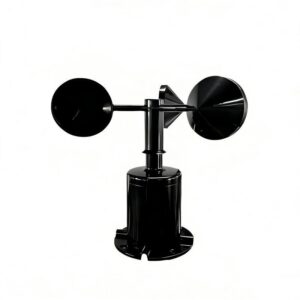
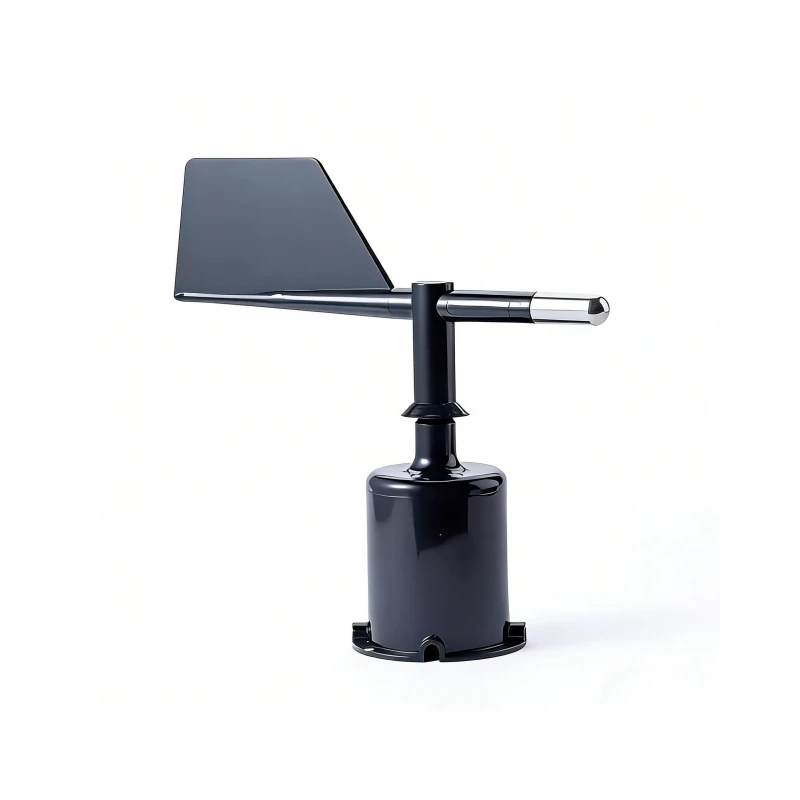
CDF-11A Wind Direction Sensor

Specifications

CDF-11A-Specifications

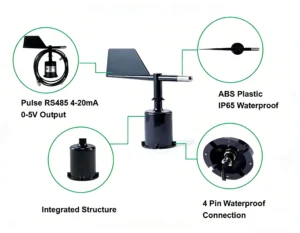
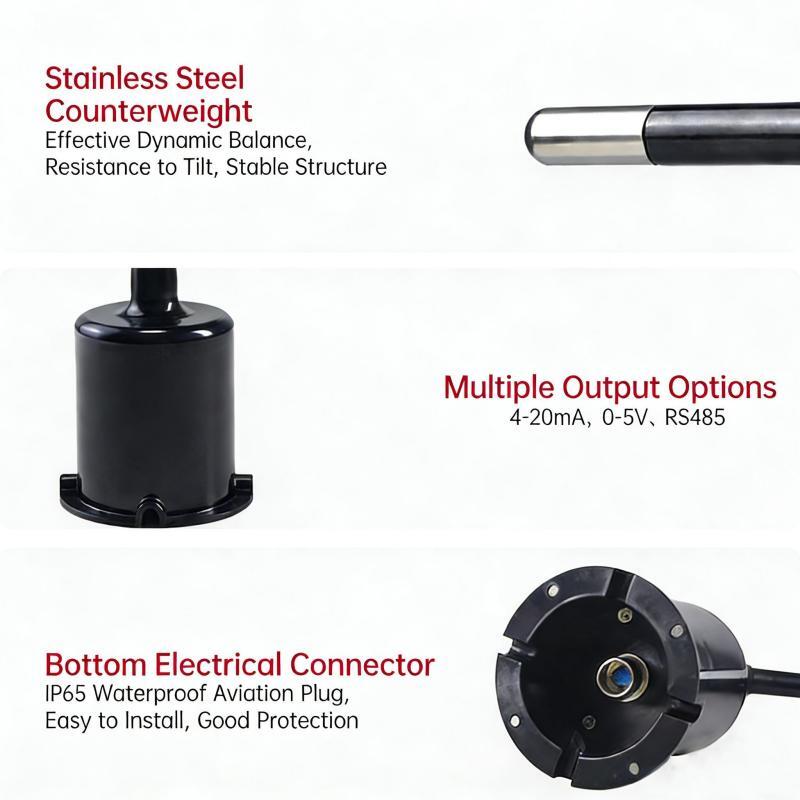
Output4-20mA0-5VRS485
Supply Voltage5V,12V-24V
Load Capacity<500Ω(typ 250Ω)>1kΩ/
Range0-360°
Accuracy±3°
Resolution
Starting Threshold<0.5m/s
Limit wind speed50m/s
Ingress ProtectionIP65
Operating Temperature-40℃~ +50℃
Cable GradeNominal voltage:300V ,Temperature grade:80℃
Weight(unpacked)195g
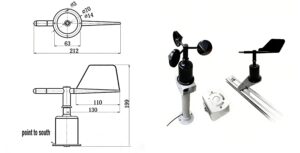
DimensionTurning Radius:147mm,Height:199mm
Main materialCarbon fiber
Storage Condition10℃-50℃@20%-90%RH

Download

Accessories softwore

FAQ

1. Q:What does ABS stand for in this wind direction sensor?

A: ABS refers to Acrylonitrile Butadiene Styrene, a high-strength engineering plastic used for the sensor housing and vane, offering excellent weather resistance, corrosion resistance, and light weight.

2. Q: What are the main advantages of an ABS wind direction sensor?

A:

  • Lightweight and high-strength structure for sensitive rotation
  • UV-resistant and waterproof, suitable for long-term outdoor use
  • Corrosion-resistant to rain, salt fog, and mild chemicals
  • Cost-effective compared to metal or stainless steel versions
  • Low maintenance and long service life
3. Q: What output signals does the ABS wind direction sensor support?

A: The sensor support analog voltage (0–5V / 0–10V), current (4–20mA), and RS485 (Modbus-RTU) outputs, compatible with data loggers, weather stations, and monitoring systems.

4. Q: What is the measurement range and accuracy?

A: Typically measures 0–360° omnidirectional wind direction with an accuracy of ±3°, depending on the model.

5. Q: Can it be used in harsh outdoor environments?

A: Yes. The ABS shell is rated IP65 waterproof and dustproof, able to operate normally in rain, snow, fog, and high humidity.

6. Q: How to install and calibrate the ABS wind direction sensor?

A:

  • Mount vertically on a pole or bracket, ensuring unobstructed rotation
  • Align the sensor’s North mark with actual geographic North
  • Most sensors do not require frequent calibration; recalibrate only after severe impact or long-term deviation
7. Q: How long is the service life of the CODA CDF-10A?

A: With proper installation and regular maintenance, the sensor can operate reliably for 5+ years due to its low-friction bearing design and durable ABS construction.

8. Q: What is the typical power supply?

A: Common working voltages are DC 12V -24V, with low power consumption for solar-powered weather stations.

9. Q: What applications is the ABS wind direction sensor suitable for?

A: Environmental monitoring, agricultural weather stations, photovoltaic power stations, construction sites, ships, small weather stations, and industrial environmental monitoring.

Dimension & Mounting

Wind direction sensor installation and dimensions

Description

CDF-11A WIND DIRECTION SENSOR

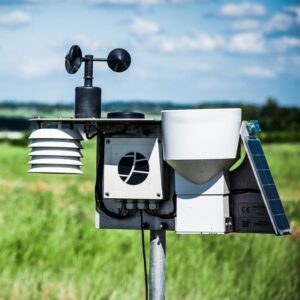
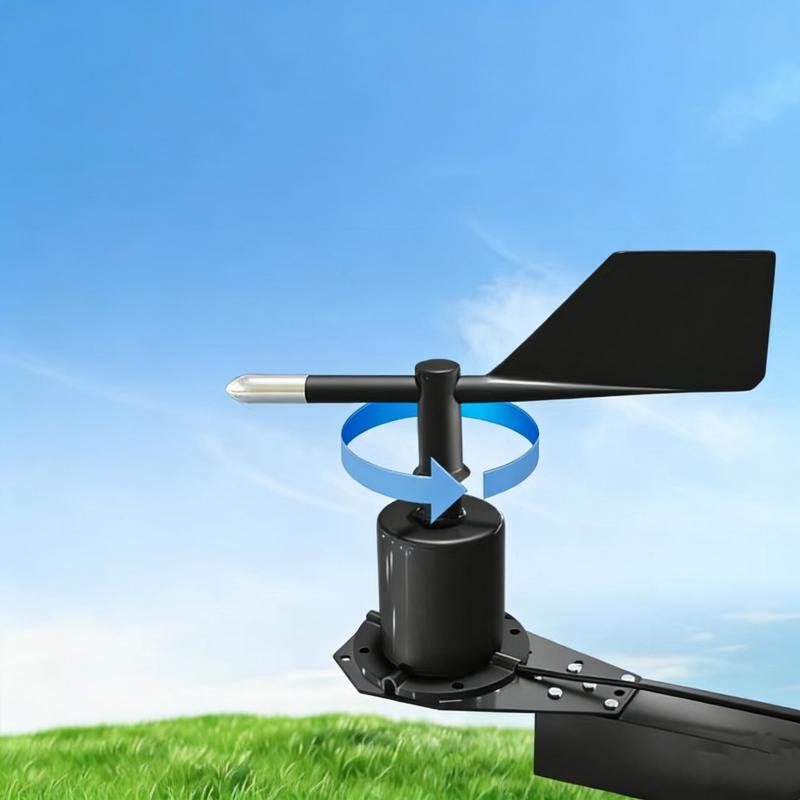
The CDF-11A wind vane is a lightweight sensor. It is easy to install on different brackets or masts. You can place it on a building, a weather tower, or a field site. This wind direction sensor is simple to set up and has low transport costs.

The material used gives the sensor good weather resistance. It can handle long-term UV exposure, rain, and temperature changes. This ensures it works well in tough outdoor conditions. Wind speed and direction sensors collect important atmospheric data. This data is key for weather forecasting models.


wind direction sensor


APPLICATIONS

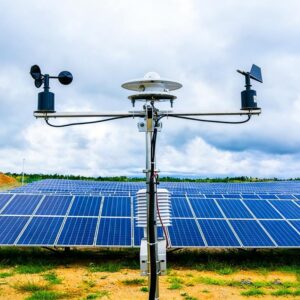
Agricultural Meteorological Station
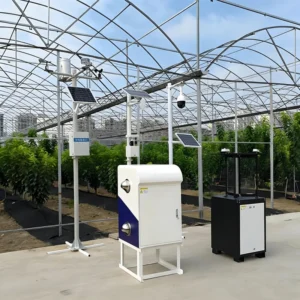
Agricultural Meteorological Station

Greenhouse Weather Station
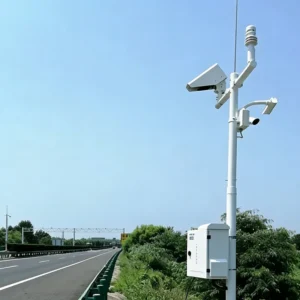
Greenhouse Weather Station

Meteorological Monitoring For Expressway
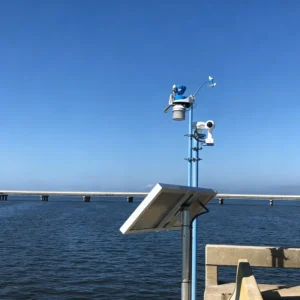
Meteorological Monitoring For Expressway

Weather Station

Metereological Monitoring For High-altitude Facility

Weather Station

Seawater Transportation Monitoring

Weather Station

Wind Power Generation

DETAILS SHOW


Detail drawing of wind speed sensor


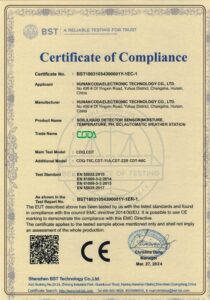
CERTIFICATE


MAINTAIN


Regularly clean the wind vane and its rotating shaft. Remove dust, dirt, leaves, and other debris. This helps it rotate smoothly and prevents jamming.

Check the ABS shell for cracks, bending, or sun and rain damage. Repair or replace damaged parts promptly.

Inspect cable connections, terminals and sealing components to prevent water ingress, poor contact or signal interruption.

Periodically verify the wind direction indication accuracy, calibrate the zero position and angle deviation as needed.

Keep the installation base firm to avoid abnormal shaking or displacement affecting measurement stability.

Lubricate the rotating bearing properly at intervals, avoiding excessive lubricant that may adsorb dust.
Additional information

Model

CDF-11A

OEM/ODM

Available

MOQ

1PCS

Lead Time

5-7 days

Certification

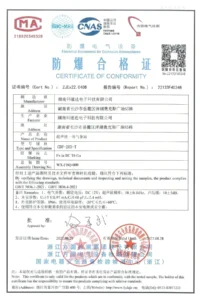
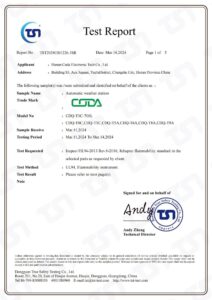
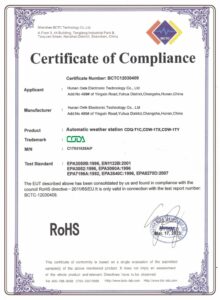
CE-EMC, RoHS, ISO9001

Size

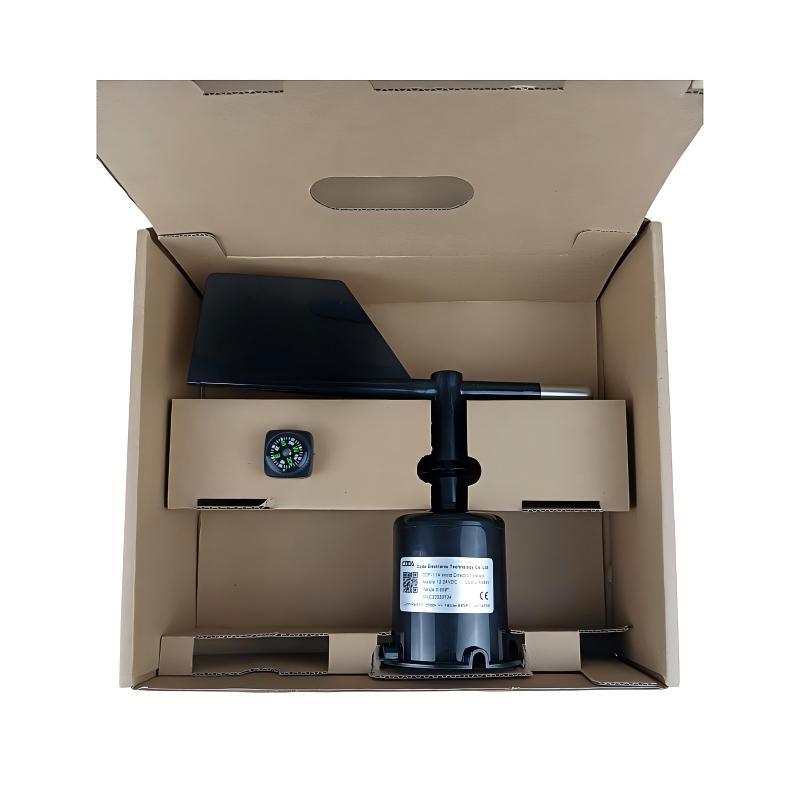
21cm*23.5cm*20cm

Weight

0.57KG

Payment

T/T, L/C or Credit-card

related products

Tell us your requirements, Let's discuss more about your project.we can do more.
Please enable JavaScript in your browser to complete this form.

Welcome to Hunan CODA Electronic Technology Co., LTD

if you have any questions

Supported Payment :
Paypal
L/C
T/T