




Description
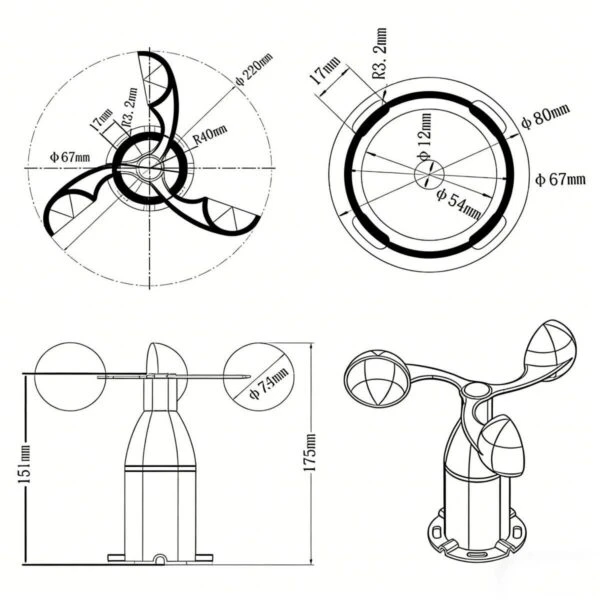
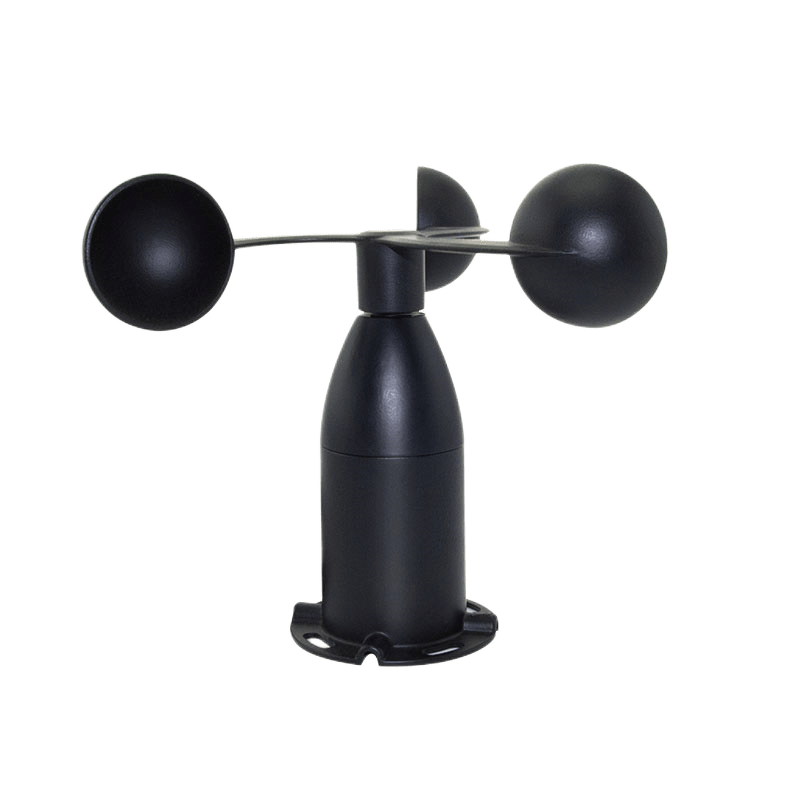
CDF-10B Metal Wind Speed Sensor | Outdoor IP65 RS485 Cup Anemometer
Product Overview
• Working Principle
This three-cup metal anemometer generates rotational torque using the air resistance difference between concave and convex cup surfaces. The rotation speed is highly linear proportional to real wind speed, ensuring durable and accurate long-term wind data output.
Key Features Of CDF-10B Wind Sensor
• Heavy Duty Anti-Corrosion Metal Housing
Adopt high-strength integrated metal shell, excellent salt spray resistance, UV resistance and impact resistance. It remains stable and durable in coastal, industrial and severe outdoor long-term wind environments.
• Low Starting Wind Speed & High Measuring Accuracy
Ultra-sensitive response, low startup wind speed, stable linear data, small measurement error and reliable continuous wind monitoring. Realize accurate real-time wind speed collection for professional meteorological level detection.
• IP65 Waterproof Dustproof Protection Grade
Fully sealed structure, rainproof, dustproof, moisture-proof, adapt to windy, rainy and dusty outdoor working conditions. It can maintain stable operation in heavy rain, sandstorm and complex outdoor weather.
• Multiple Standard Signal Output Options
Support RS485 Modbus-RTU, 4-20mA analog, pulse signal to match PLC, data logger and cloud monitoring platform. Perfectly compatible with most industrial acquisition systems and automatic weather station equipment.
• Easy Installation & Low Operation Maintenance
Simple fixed installation, stable structure, no frequent maintenance, long service life and low overall use cost. Pole-mounted installation method saves construction time and reduces later operation management expenses.
Wide Application Fields Of CDF-10B Metal Wind Anemometer
• Coastal Marine Wind Environment Monitoring
Reliable salt-spray resistant wind detection for seaside ports, marine meteorology and offshore atmospheric parameter observation.
• Meteorological Station Long-term Weather Monitoring
High-stability wind speed data acquisition for professional automatic weather stations and regional climate monitoring systems.
• Photovoltaic Power Station Wind Safety Monitoring
Real-time wind condition detection to guarantee safe operation of PV power equipment and power generation station early warning.
• Heavy Industry & Construction Engineering Monitoring
Outdoor wind safety monitoring for large construction sites, wind power projects and harsh industrial dust environments.
Installation Guide & Matching Accessories
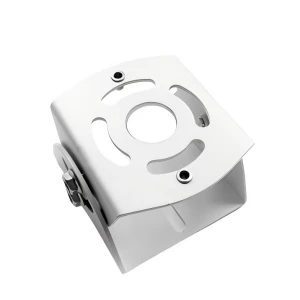
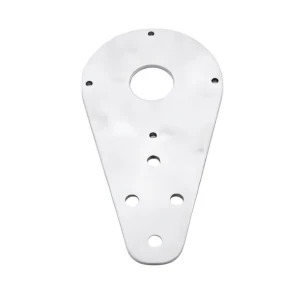
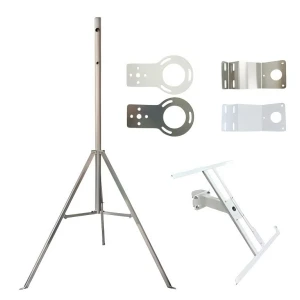
• Special Reinforced Mounting Bracket Installation
Firm pole-fixed installation structure, shock-resistant and wind-resistant, ensuring stable measurement in strong wind conditions.
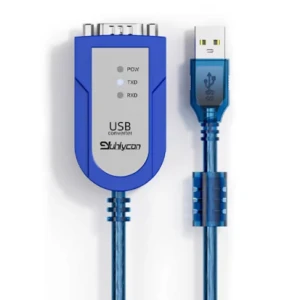
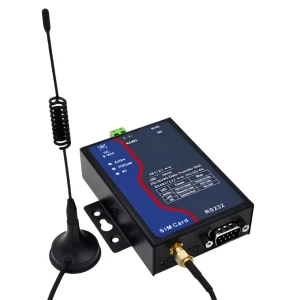
• Optional Remote Communication Modules
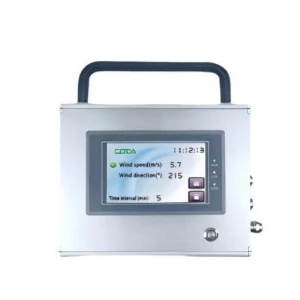
Support 4G, WiFi, Ethernet wireless data transmission and dedicated wind data logger for CODA cloud remote monitoring management.
Why Choose CDF-10B Wind Sensor
-Factory pre-calibrated, no on-site calibration needed
–IP65 protection for coastal salt spray & harsh outdoor environments
-Supports 4G / WiFi / Ethernet transmission to CODA cloud
-Long stable service life up to 8+ years
–CE, RoHS, ISO9001 certified
-1PCS MOQ, 5-7 days fast delivery
–OEM & ODM customized services available
Related Products
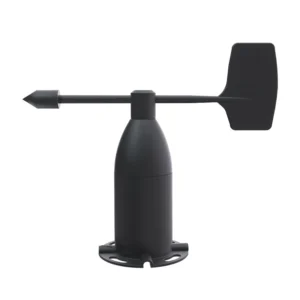
Metal Wind Direction Sensor
High-precision IP65 metal wind direction sensor, matching CDF-10B anemometer perfectly. Stable RS485 output for coastal, industrial & harsh outdoor wind station monitoring.
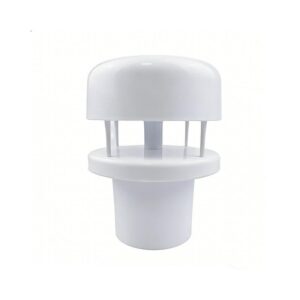
Miniature Ultrasonic Wind Speed And Direction Sensor
This high-performance Miniature Ultrasonic Wind Speed and Direction Sensor is engineered for compact, low-power, and maintenance-free wind monitoring in IoT, weather stations, and industrial applications.
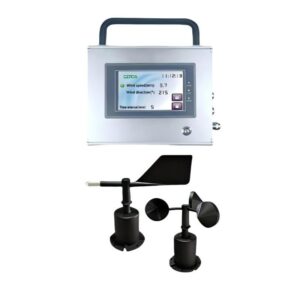
Wind Speed & Direction Display Recorder
Professional wind data logger & display host, compatible with CDF-10B metal wind speed sensor. Real-time wind condition display, long-term data storage for automatic weather station monitoring.
NEWS Application
Smart Agriculture
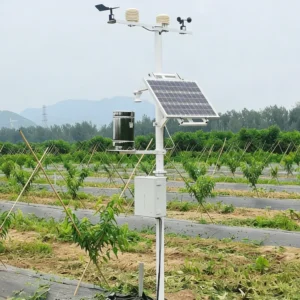
Heavy-duty metal wind speed sensor provides stable wind data for smart agricultural monitoring. It withstands outdoor UV, dust & complex climates, supporting precise airflow detection in farmlands, greenhouses and orchard weather management.
Photovoltaic Industry
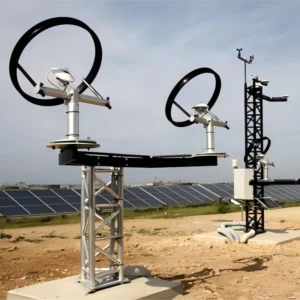
High-stability metal anemometer delivers accurate real-time wind data for PV power station safety monitoring. It protects solar bracket structures from strong wind damage, ensuring long-term safe & efficient photovoltaic power generation operation.
Environmental Monitoring
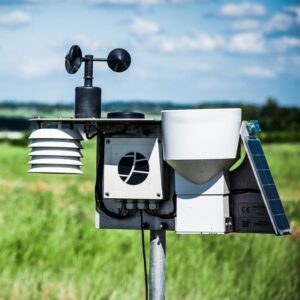
Our IP65 metal wind sensor fits urban industrial IoT monitoring networks & automatic weather stations. Excellent anti-corrosion & salt-spray resistance supports pollution analysis, microclimate research and smart city harsh environment management.