Meteorological Station Overview: Introduction and Types
A weather station is a special facility that collects, studies, and processes weather data. By measuring key weather factors like temperature, humidity, air pressure, and light intensity, it provides vital data.
It also measures rainfall, dew point, wind speed, and wind direction. This helps predict climate changes and manage many weather-related challenges.
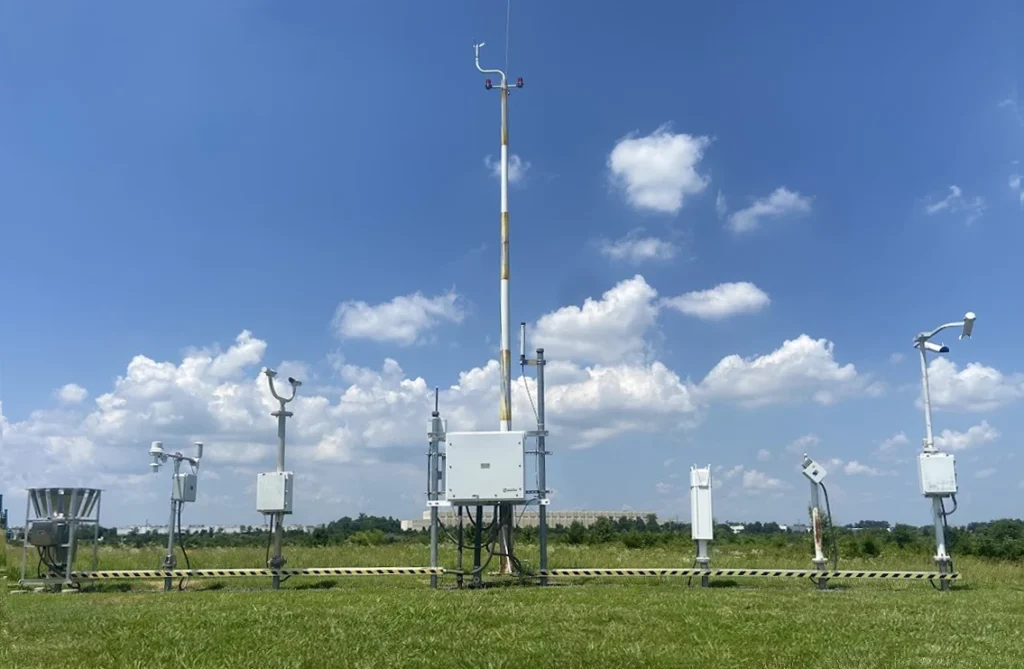
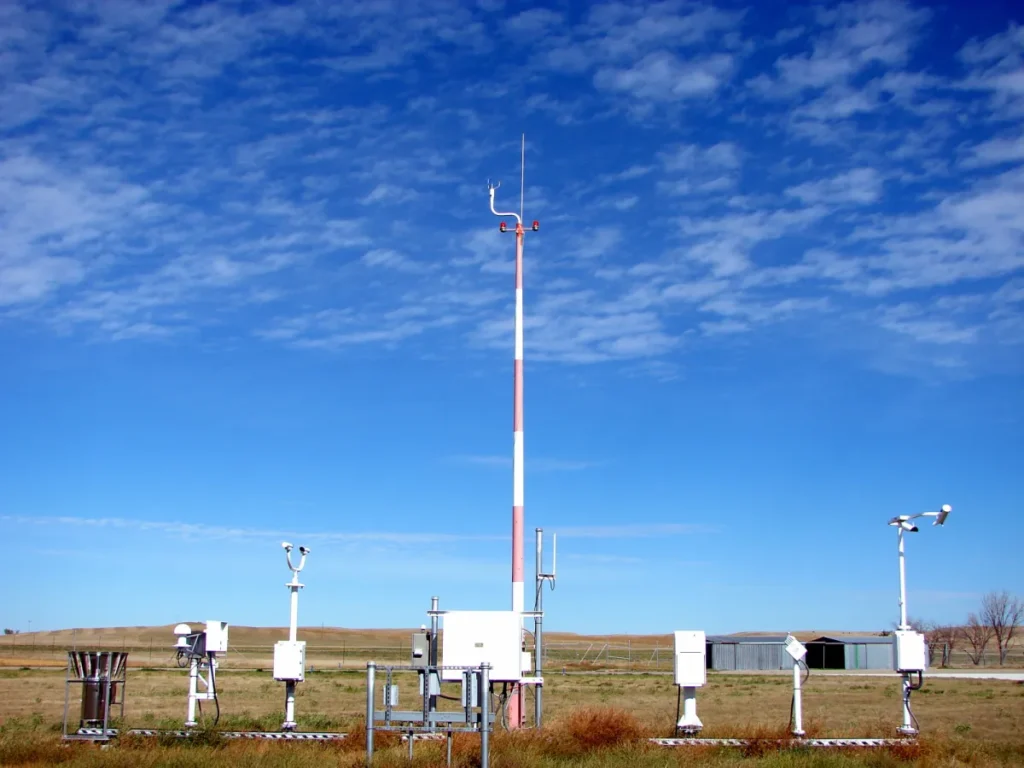
A weather station usually has a single pole with sensors and a main data unit on top. To ensure accurate measurements, these stations are usually set up in open areas. They are placed away from buildings and objects that could block readings.
Key Components of a Meteorological Station
Meteorological monitoring systems have three main parts: the measurement unit, the power supply system, and the control unit.
Measurement Unit
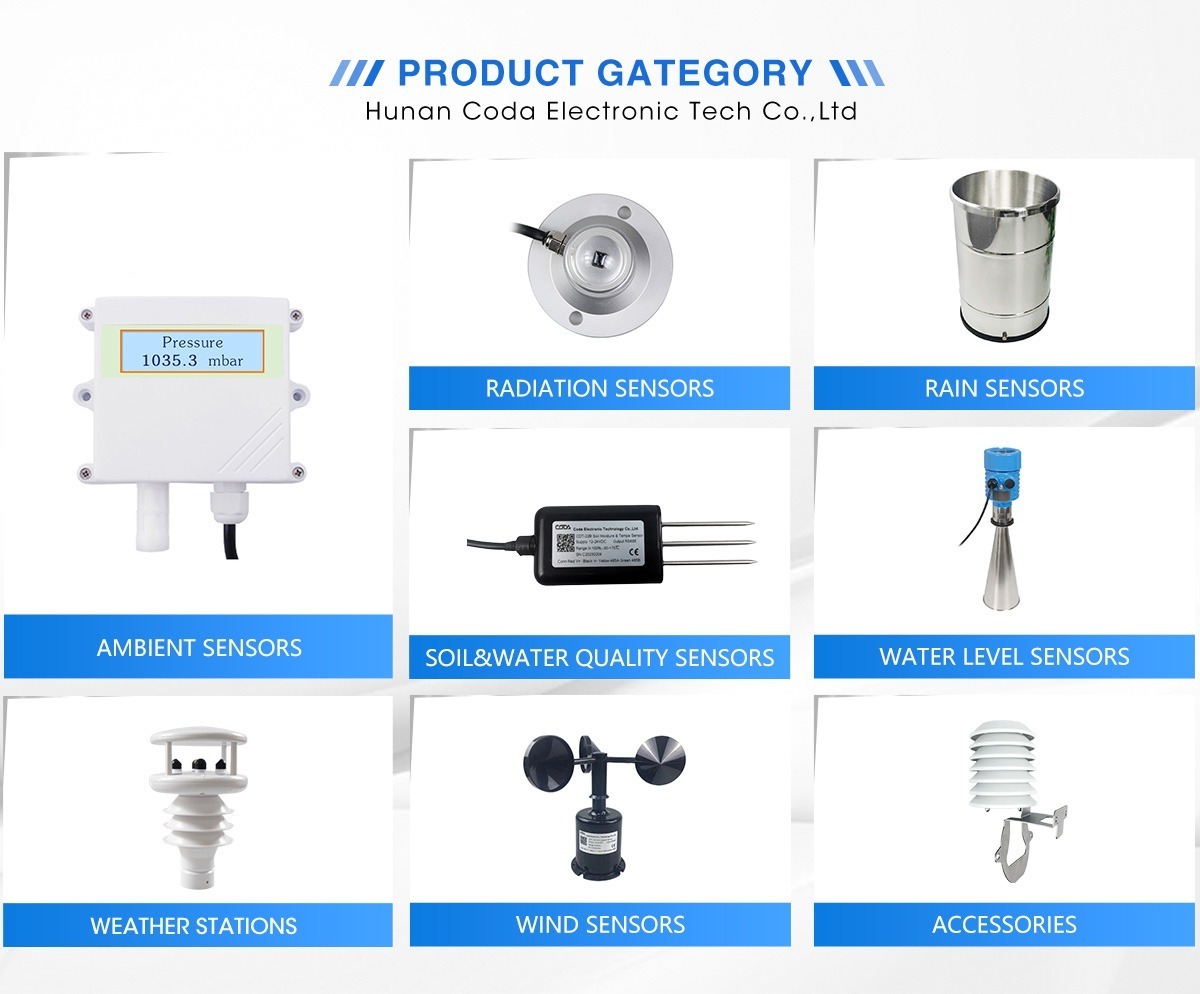
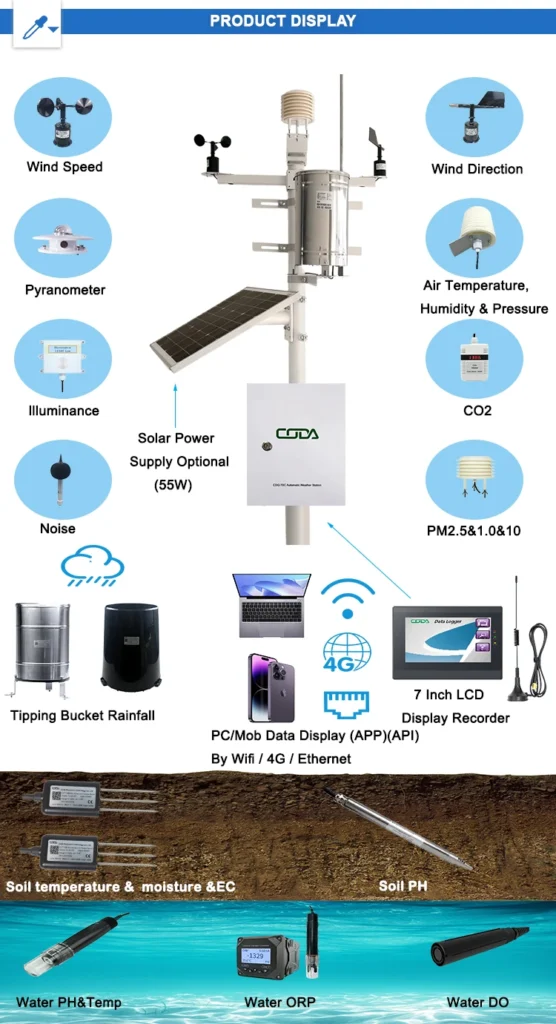
The measurement unit collects data from individual weather sensors. A fully functional weather monitoring system uses several sensor types, including:
– Temperature and humidity sensors
– Wind speed and direction sensors
– Solar radiation sensors
– Rain gauge
– Rain and snow sensors
– UV sensors
– Dew point sensors
– Solar radiation shields
– Gas sensors
– Soil sensors
1. Temperature and Humidity Sensor
To protect the sensor from direct sunlight and rain, we place the equipment in a solar radiation shield. Direct sunlight and rain can make readings less accurate. Temperature and humidity are key parts of weather studies. Many sensor types exist, such as resistive, capacitive, and thermal models.
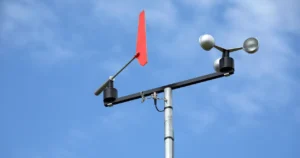
2. Wind Speed and Direction Sensor
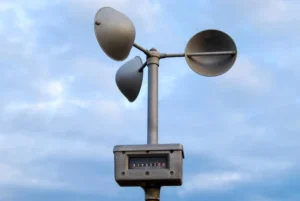
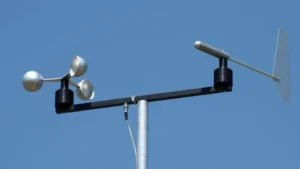
Wind measurement is a key part of any weather monitoring setup. Its data is useful in agriculture, navigation, and transportation. These sensors are installed in clear areas.
This helps keep the data reliable and effective. Wind sensors come in several types. These include mechanical, ultrasonic, and magneto-electric models.
3. Solar Radiation Sensor
Solar radiation sensors measure the energy or intensity of sunlight. They can be grouped into total radiation sensors, direct radiation sensors, and scattered radiation sensors. Based on wavelength ranges, they are split into sensors for visible, ultraviolet, and infrared radiation.
These instruments are usually mounted on flat or sloped platforms. This helps them get more sunlight. It also reduces blockage from nearby objects.
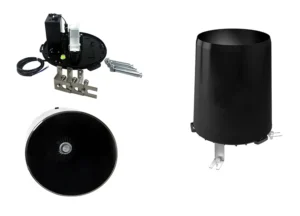
4. Rain Gauge
Rain gauges measure precipitation. They are either mechanical or electronic. Mechanical rain gauges include funnel, bucket, and float models. They are simple and affordable. However, they need manual data collection and regular maintenance.
On the other hand, electronic rain gauges use tools like photoelectric sensors, acoustic wave systems, or radar. Although they cost more and are more complex, they allow automated operation with remote data acquisition.
5. Rain and Snow Sensor
Rain and snow sensors detect weather events, such as rain and snow. These come in two versions. Some models have automatic heating to prevent ice from forming on their surfaces.
Other models do not have heating. Proper angled installation is essential to prevent water from collecting or freezing on the sensor.
6. Ultraviolet Sensor
An ultraviolet sensor is a device used to measure the intensity or index of UV light. These sensors fall into two types: broadband and narrowband. Broadband UV sensors measure radiation across the full ultraviolet spectrum. Narrowband sensors measure specific wavelength ranges.
Typically, UV sensors are installed on flat or angled platforms to capture more sunlight. They also reduce shading and reflected light from nearby objects.
7. Dew Point Sensor
A dew point sensor directly measures dew point temperature. This also indicates humidity levels in the air. Typical dew point sensor types include thin-film capacitive, resistive, and chilled-mirror models.
Other Sensors
Additional sensors, like pressure, light, and noise sensors, are often housed in a solar radiation shield. This shield protects weather sensors from outside influences like sunlight, rain, and other environmental factors.
It has several shutters that block interference and allow airflow to keep inside and outside air temperatures steady. Depending on your needs, you can add gas sensors, soil sensors, and other specialized weather monitoring devices.
Power Supply System
The weather station can run on a standard power supply or solar power. For a standard power connection, plugging the power cord into the main unit is sufficient. A solar energy system usually consists of solar panels, lead-acid batteries, waterproof cases, and control units.
Control Unit
The control unit is the central hub of the meteorological station. It collects data from connected sensors. And it sends this data to the right platforms. It also supplies power to the sensors.
Additionally, it processes and executes commands from the monitoring platform. Data transmission relies on the mainframe. It also needs the right signal and power cables.
Types of Meteorological Stations
Meteorological stations come in different types to meet specific needs based on their use. Below are some key examples:
**1. Agricultural Weather Station**
Agricultural weather stations are employed to monitor climatic changes in farming areas like fields. These stations track temperature, humidity, wind speed and direction, and sunlight intensity in real time.
For instance, in wheat fields, this data helps farmers match practices like irrigation and fertilization with crop growth stages. This helps increase crop yield and quality while improving adaptation to changing weather.
**2. Transportation Weather Station**
Designed for highways, railroads, airports, and other vital transport routes, these stations monitor weather automatically.
They provide reliable data without constant human oversight. Transportation weather stations track visibility, weather conditions, and water on road surfaces. They play a key role in finding dangerous conditions early. They also help weather and transport agencies improve traffic management.
**3. Forest Weather Station**
Forest weather stations are designed to track conditions in forests at risk of hazards like wildfires. This information helps prevent forest fires and supports quick emergency response during and after fires. They help protect forest ecosystems.
**4. Port Weather Station**
Port weather stations are vital for managing port operations. They track weather like wind speed and direction. These stations provide key data for maritime tasks like ship entry and departure, loading and unloading goods, and berthing.
Port weather monitoring helps vessels navigate safely in bad weather. It provides real-time reports on wind, waves, fog, visibility, and more.
**5. Campus Weather Station**
Campus weather stations help teach students about weather. They also build understanding of weather-related challenges. Adding these stations to schools lets students get hands-on practice with weather observation techniques. This raises awareness of weather science and builds skills to handle weather emergencies well.
**Campus Weather Station: Importance of a Meteorological Station**
1. **Weather Prediction**
Meteorological stations are vital for recording many types of weather data from land, air, and oceans. This includes temperature, humidity, air pressure, and wind direction and speed. It also covers rainfall, snow accumulation, sunshine, and soil temperature.
By analyzing this data, weather stations can predict future weather and forecast disasters like storms, typhoons, and tornadoes. These forecasts help governments and communities take timely steps to reduce deaths and limit property damage from severe weather.
2. **Agricultural Production**
Meteorological stations play a crucial role in enhancing agricultural productivity. As global warming and climate change worsen, farmers depend on accurate weather forecasts. They use them to pick suitable crops and plan planting and harvest times.
By collecting and sharing weather data, meteorological stations help farmers plan farm work well. This helps stabilize crop yields and manage risks from unpredictable weather.
3. **Water Resource Management**
Proper water management is vital for many countries’ long-term sustainability. Meteorological stations help by tracking changes in water levels and river flows in lakes and reservoirs. This data guides governments in creating policies to safeguard water quantity and quality.
Additionally, measures like snow depth and river ice thickness help hydropower facilities improve winter operations and keep energy steady.
4. **Aviation and Maritime Navigation**
Weather data from weather stations is vital for aviation and marine operations. Pilots and ship captains rely on this data to plan safe takeoffs, landings, and sea routes. Meteorological stations track wind direction and speed changes. This helps reduce risks for aircraft and vessels during sudden or severe weather.
5. **Climate Research**
Meteorological stations collect air and ocean data to support long-term climate research. This data helps scientists study trends and find the causes of climate change. It also makes climate models more accurate.
The insights from this research help create reliable weather forecasts. They also explain the wider effects of climate change worldwide.