limitations of agricultural sensor technology

limitations of agricultural sensor technology

Agricultural sensor technology has clear benefits. It improves efficiency in many areas of farming. However, it also has limitations. It comes with challenges.

The 2018 Agrifutures Australia report, *Emerging Technologies in Agriculture: Regulatory & Other Challenges,* highlights key risks and hurdles. It covers issues linked to using this technology in the field. Below are four main limits found in the report:
1. **Data Ownership**

Sensors collect lots of detailed data that can be very useful to farmers. However, there are still disputes about who owns the data.

While many farmers believe they should access and control their own data for their business, others disagree. They suggest merging farm data into regional datasets. This could give deeper insights.

Third parties, like hardware and software providers, make ownership talks harder.

This is especially true when access to raw data is involved. Farmers also worry that banks and insurers could get their sensitive data without their consent. This adds another layer of complexity.

2. **Lack of Standards**

The lack of common standards in sensor technology creates challenges in judging product reliability and compatibility in the market. This inconsistency raises business risks for farmers. They may hesitate to adopt new technologies due to worries about standards and risk exposure.

Without clear benchmarks, choosing tools that fit each farm’s needs can be hard. This can slow the adoption of new solutions.

3. **System Security**

Farm data has high commercial value. This makes weak security a serious concern. The threat of cyber-attacks and malware increases this risk. This is worse without global rules to protect agricultural data.

Weak security systems create money risks and reduce trust in using sensor technology at scale.

4. **Managing Large Data Volumes**

Farms with many sensors produce lots of data over time. However, much of this information often goes unanalyzed, which limits its value for improving farm operations. Moreover, connectivity issues often disrupt data collection, storage, and analysis. This can limit farmers’ ability to gain useful insights from the data.
5. **Technical Support**

With more sensors used in farming, the need for strong technical support is more urgent than ever. Unfortunately, there is a gap in support that helps producers get the most value from investing in these technologies.

Without support, farmers may not turn raw data into useful insights, which can reduce their return on investment.

**Are Farmers Concerned About Sensor Technology?**

Sensor technology in Australian agriculture has raised interest in what farmers think and worry about. As a leading market research provider for Australian agriculture, KG2 measures these views through qualitative and quantitative surveys.

Leveraging a large farmer database across many industries, KG2 provides valuable insights into farm sensor adoption challenges and opportunities.
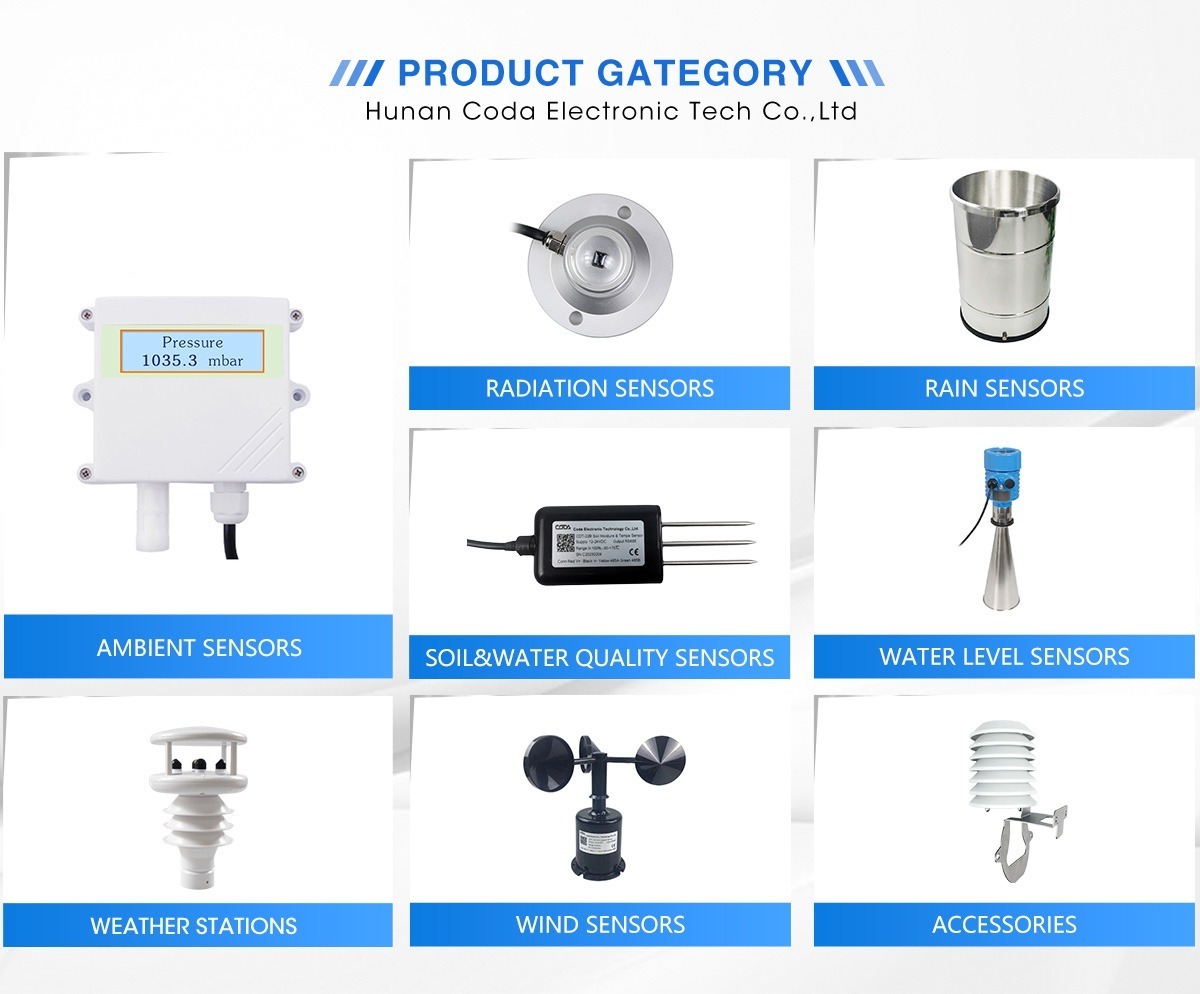
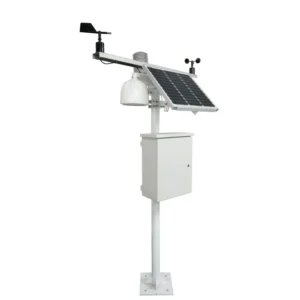
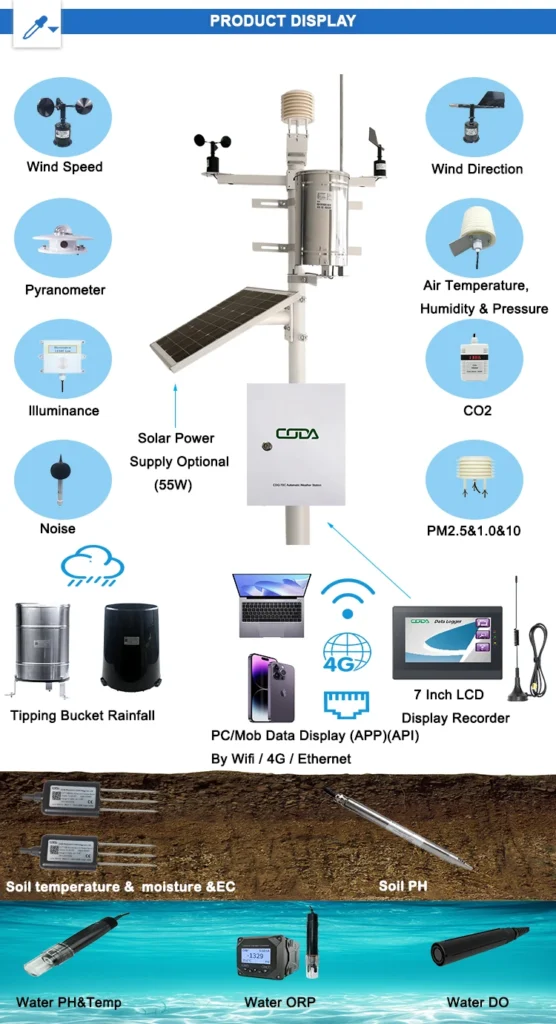
In meteorological monitoring, CODA, with strong expertise and extensive experience, has developed various monitoring solutions for customers.

CODA provides suitable solutions for every situation. This covers complex cities, vast wilderness, farming’s precise needs, and special industries such as aerospace and shipping.

When it comes to monitoring weather in cities, we set up a lot of smart sensors. These sensors unceasingly gather crucial data, including temperature, humidity, air pressure, wind speed and direction, and air quality. This helps city planners and environmental protection workers prepare ahead of time for weather – related disasters and pollution problems. As a result, city dwellers can enjoy a better quality of life and stay safe.

In agriculture, our tailored weather monitoring plan precisely measures things like soil moisture, rainfall patterns, and sunlight levels. This scientific data helps farmers plan farming well. They can then decide the best ways to water and fertilize their crops.It helps make farming smarter and more productive.

Related Post

How do wind sensors operate?
Sensor-knowledge
Peter chen

How do wind sensors operate?

A wind speed sensor is a tangible instrument designed to gauge the velocity of the wind. The airflow-induced wind causes the three cups at the top to spin, which in turn rotates the central shaft. This movement turns on the internal sensing part. It creates a signal that helps you find the wind speed.

Read More »
environmental parameters of sensors
Sensor-knowledge
Peter chen

What is the environmental sensor?

An environmental sensor is a device that measures and monitors environmental conditions. It can sense things like temperature, humidity, pressure, light, rainfall, wind speed and direction, noise, and PM2.5 and PM10 levels.

Read More »
Wind Direction Sensor Installation Guide
Sensor-knowledge
Peter chen

Wind Direction Sensor Installation Guide

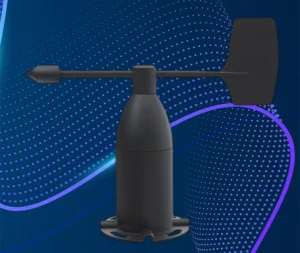
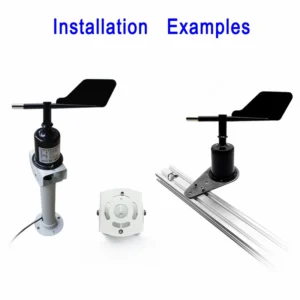
Wind direction sensors are vital for weather monitoring, farming, aviation, marine work, and renewable energy. Even advanced sensors can fail to deliver reliable data if they are installed wrong.

Read More »
Temperature and Humidity Sensors
Sensor-knowledge
Peter chen

Differences Between Temperature and Humidity Sensors with Built-In and External Probes

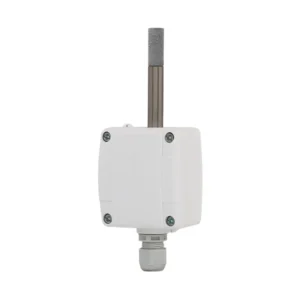
With the fast-paced progress of modern society, temperature and humidity sensors have become widely used across various fields. Temperature and humidity play an essential role in everyday life, influencing comfort, safety, and efficiency in multiple industries. Manufacturers typically equip these sensors with built – in or external probes to meet different application needs. But what distinguishes these two types in terms of function and usage?

Read More »
Applications of Noise Sensors​
Sensor-knowledge
Peter chen

Applications of Noise Sensors​

In the modern world, noise has become an inevitable part of our daily lives. From the bustling city streets to the humming industrial plants, the presence of noise is almost everywhere.

Read More »
Tell us your requirements, Let's discuss more about your project.we can do more.
Please enable JavaScript in your browser to complete this form.

Welcome to Hunan CODA Electronic Technology Co., LTD

if you have any questions

Supported Payment :
Paypal
L/C
T/T