


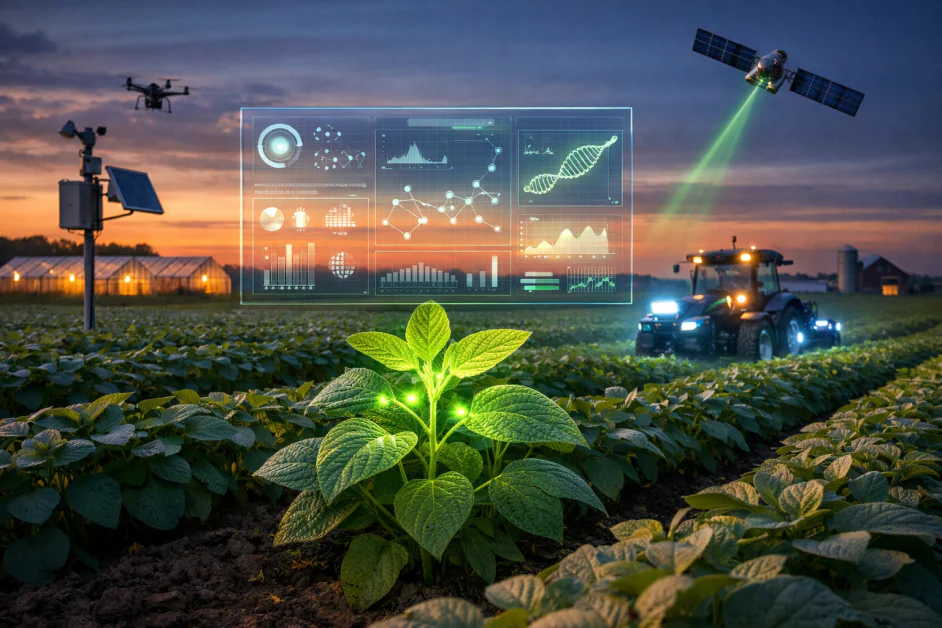
limitations of agricultural sensor technology
Agricultural sensor technology has clear benefits. It improves efficiency in many areas of farming. However, it also has limitations. It comes with challenges.
The 2018 Agrifutures Australia report, *Emerging Technologies in Agriculture: Regulatory & Other Challenges,* highlights key risks and hurdles. It covers issues linked to using this technology in the field. Below are four main limits found in the report:

1. **Data Ownership**
Sensors collect lots of detailed data that can be very useful to farmers. However, there are still disputes about who owns the data.
While many farmers believe they should access and control their own data for their business, others disagree. They suggest merging farm data into regional datasets. This could give deeper insights.
Third parties, like hardware and software providers, make ownership talks harder.
This is especially true when access to raw data is involved. Farmers also worry that banks and insurers could get their sensitive data without their consent. This adds another layer of complexity.
2. **Lack of Standards**
The lack of common standards in sensor technology creates challenges in judging product reliability and compatibility in the market. This inconsistency raises business risks for farmers. They may hesitate to adopt new technologies due to worries about standards and risk exposure.
Without clear benchmarks, choosing tools that fit each farm’s needs can be hard. This can slow the adoption of new solutions.
3. **System Security**
Farm data has high commercial value. This makes weak security a serious concern. The threat of cyber-attacks and malware increases this risk. This is worse without global rules to protect agricultural data.
Weak security systems create money risks and reduce trust in using sensor technology at scale.
4. **Managing Large Data Volumes**
Farms with many sensors produce lots of data over time. However, much of this information often goes unanalyzed, which limits its value for improving farm operations. Moreover, connectivity issues often disrupt data collection, storage, and analysis. This can limit farmers’ ability to gain useful insights from the data.


5. **Technical Support**
With more sensors used in farming, the need for strong technical support is more urgent than ever. Unfortunately, there is a gap in support that helps producers get the most value from investing in these technologies.
Without support, farmers may not turn raw data into useful insights, which can reduce their return on investment.
**Are Farmers Concerned About Sensor Technology?**
Sensor technology in Australian agriculture has raised interest in what farmers think and worry about. As a leading market research provider for Australian agriculture, KG2 measures these views through qualitative and quantitative surveys.
Leveraging a large farmer database across many industries, KG2 provides valuable insights into farm sensor adoption challenges and opportunities.