How do cup anemometers differ from propeller anemometers in practice?

How do cup anemometers differ from propeller anemometers in practice?

Cup anemometers and propeller anemometers both measure wind speed. They differ in design, operation, and use.

**Working Principle**

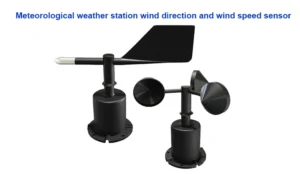
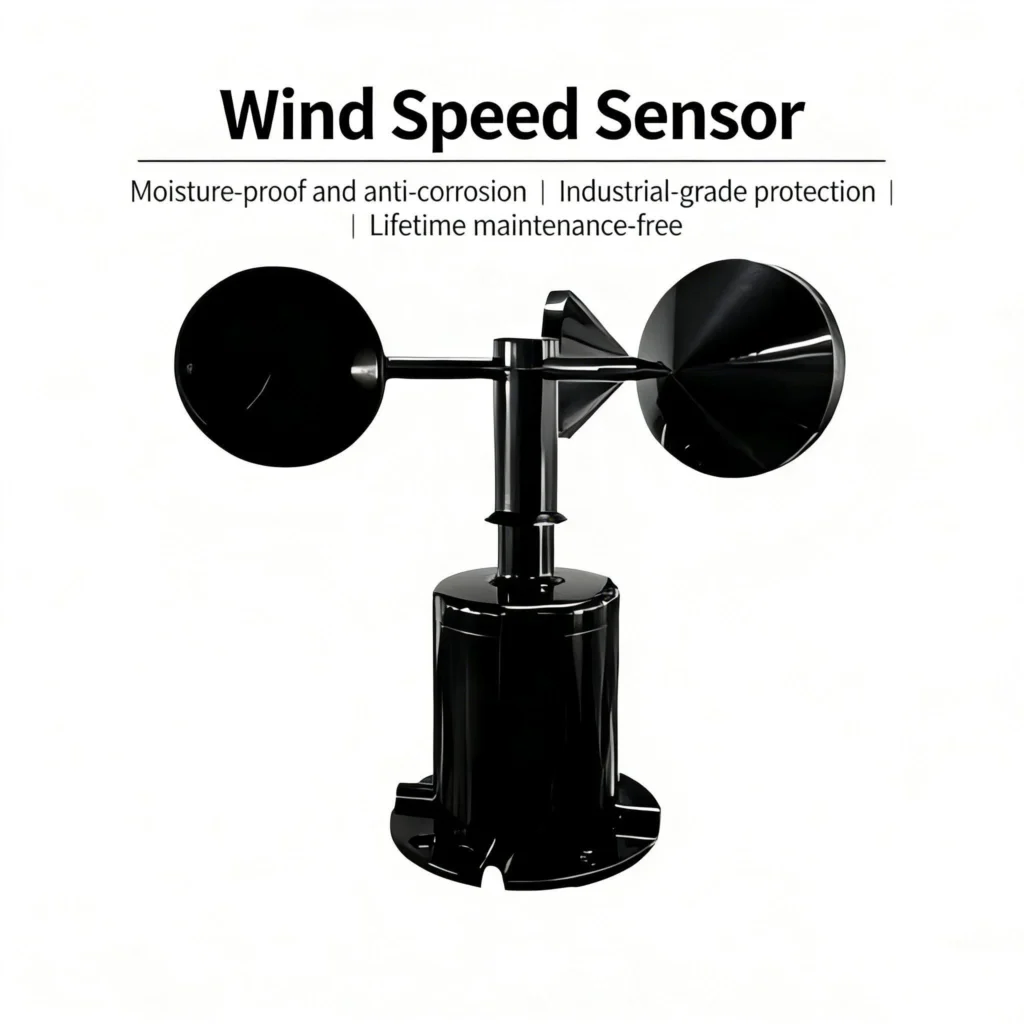
A cup anemometer uses one or more wind cups. The cups are often made of light material. They can rotate freely. When wind flows through the cups, they spin. This happens due to rotational resistance and the wind’s inertial force.

The rotation speed, or angular velocity, goes up with stronger wind. By measuring this angular speed, we can calculate the wind speed.

A propeller anemometer uses a small propeller as its main sensing part. When wind passes over the propeller, it rotates, and the speed of its rotation is directly proportional to the wind speed. Wind speed is measured by checking how fast the propeller spins.
**Structure**

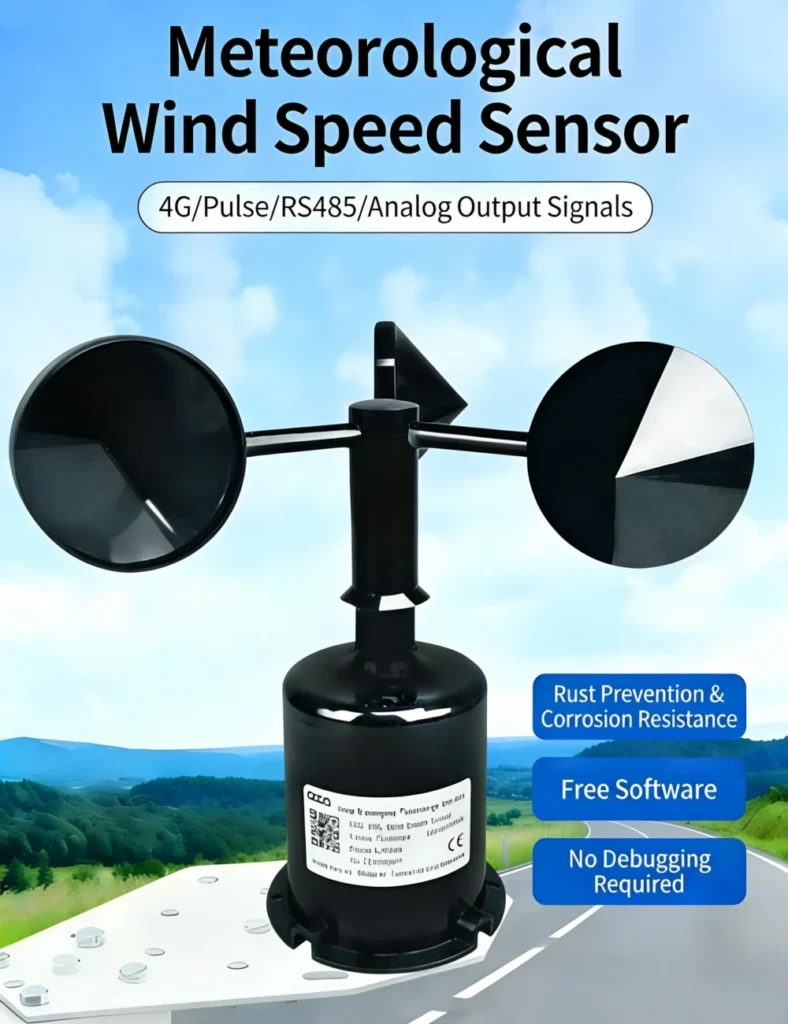
The cup anemometer has a stand, wind cups, and a measurement circuit. The wind cups are the main part. They sense the wind’s force and spin with it.

The measurement circuit has a sensor and a signal processing unit. It converts the cups’ angular velocity into a wind speed reading.

The propeller anemometer has a bracket, a propeller, and a measurement circuit. The propeller is the main part. It rotates when the wind blows.

Like the cup anemometer, its system uses sensors and signal processors.

They measure the propeller’s rotation speed and convert it to wind speed data.
**Summary**

In conclusion, both devices measure wind speed. Their key difference is how they work. Cup anemometers measure wind speed by tracking how fast their cups spin. This makes them useful for weather and environment monitoring.

Propeller anemometers rely on the rotation speed of a propeller. They are often used in specialized fields. These include aerospace and energy uses.
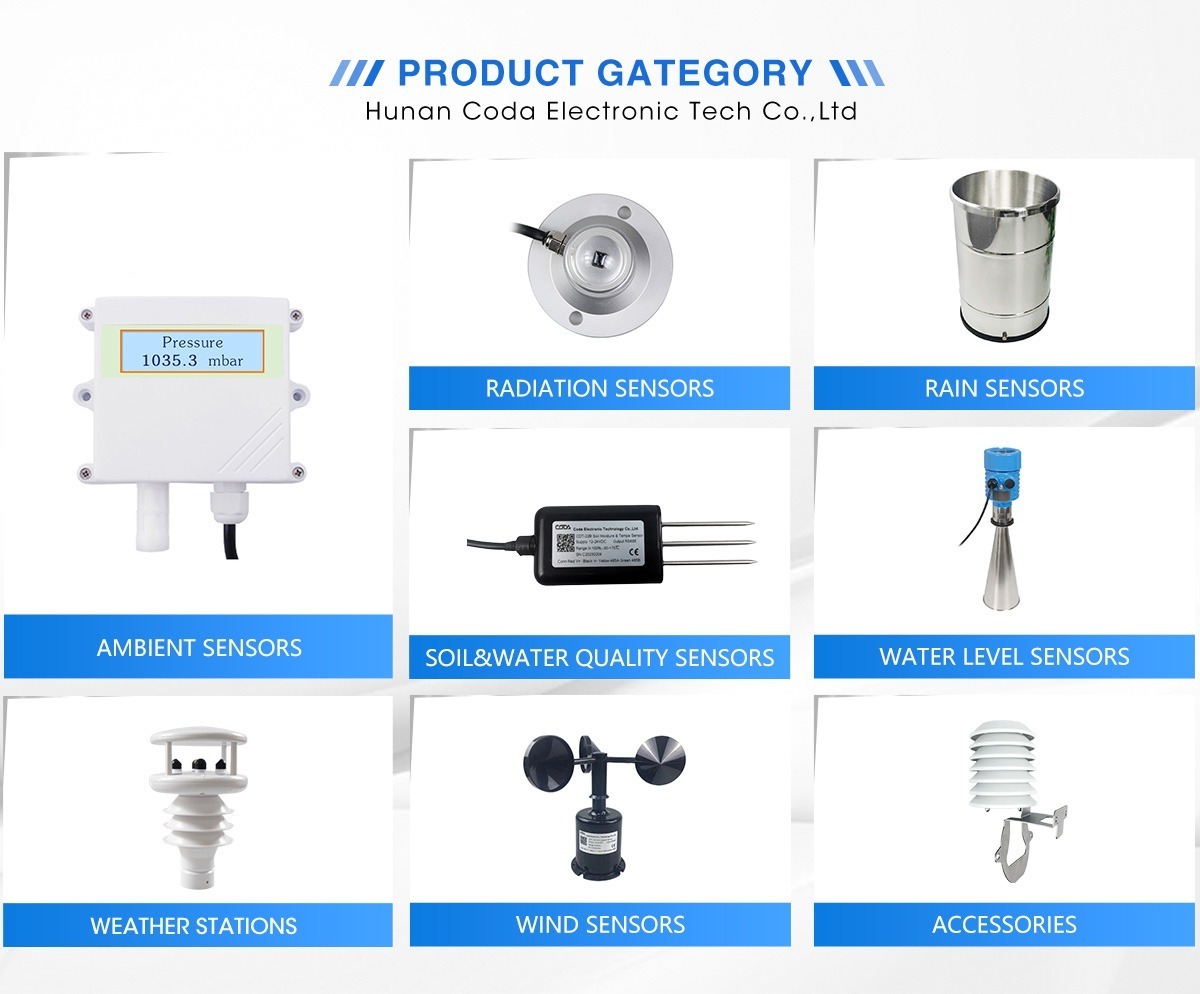
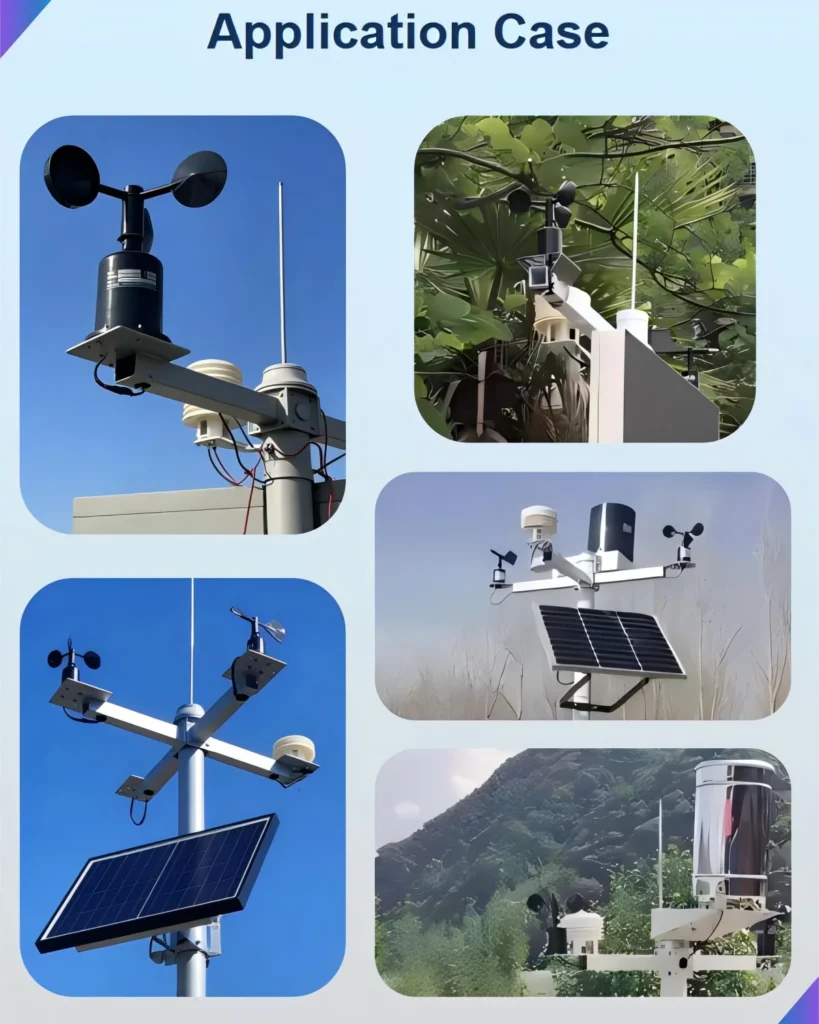
In meteorological monitoring, CODA, with strong expertise and extensive experience, has developed various monitoring solutions for customers.

CODA provides suitable solutions for every situation. This covers complex cities, vast wilderness, farming’s precise needs, and special industries such as aerospace and shipping.

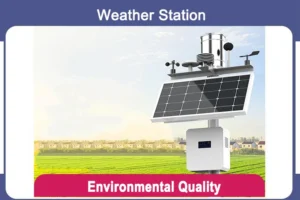
When it comes to monitoring weather in cities, we set up a lot of smart sensors. These sensors unceasingly gather crucial data, including temperature, humidity, air pressure, wind speed and direction, and air quality. This helps city planners and environmental protection workers prepare ahead of time for weather – related disasters and pollution problems. As a result, city dwellers can enjoy a better quality of life and stay safe.

In agriculture, our tailored weather monitoring plan precisely measures things like soil moisture, rainfall patterns, and sunlight levels. This scientific data helps farmers plan farming well. They can then decide the best ways to water and fertilize their crops.It helps make farming smarter and more productive.

Related Post

In which places should a weather station be situated and why?
Knowledge of automatic weather stations
Peter chen

In which places should a weather station be situated and why?

The location of a weather station plays a pivotal role in capturing accurate and representative meteorological data. Proper placement ensures that measurements such as temperature, humidity, precipitation, wind speed, and wind direction …..

Read More »
The importance of the soil pH
Sensor-knowledge
Peter chen

The importance of the soil pH

The significance of soil pH lies in its vital role as a key indicator of soil chemistry. It shows the amounts of hydrogen ions (H⁺) and hydroxide ions (OH⁻) in the soil.

Read More »
Tell us your requirements, Let's discuss more about your project.we can do more.
Please enable JavaScript in your browser to complete this form.

Welcome to Hunan CODA Electronic Technology Co., LTD

if you have any questions

Supported Payment :
Paypal
L/C
T/T