The Significance of Dissolved Oxygen in Potable Water
Assessing Dissolved Oxygen Levels
Drinking water has many components, and one of the most important is dissolved oxygen (DO). This refers to the amount of oxygen already dissolved in a water sample. When dissolved oxygen is at ideal levels, it helps aquatic ecosystems thrive. Conversely, low DO can harm aquatic life by limiting the oxygen species need to survive.
In terms of drinking water, higher levels of dissolved oxygen often enhance its taste. Water bodies take in oxygen from the air and from aquatic plants.
However, if DO levels in a water source drop sharply, it can disrupt the whole ecosystem. Flowing water, such as rivers and streams, typically dissolves more oxygen than stagnant bodies like lakes or ponds.
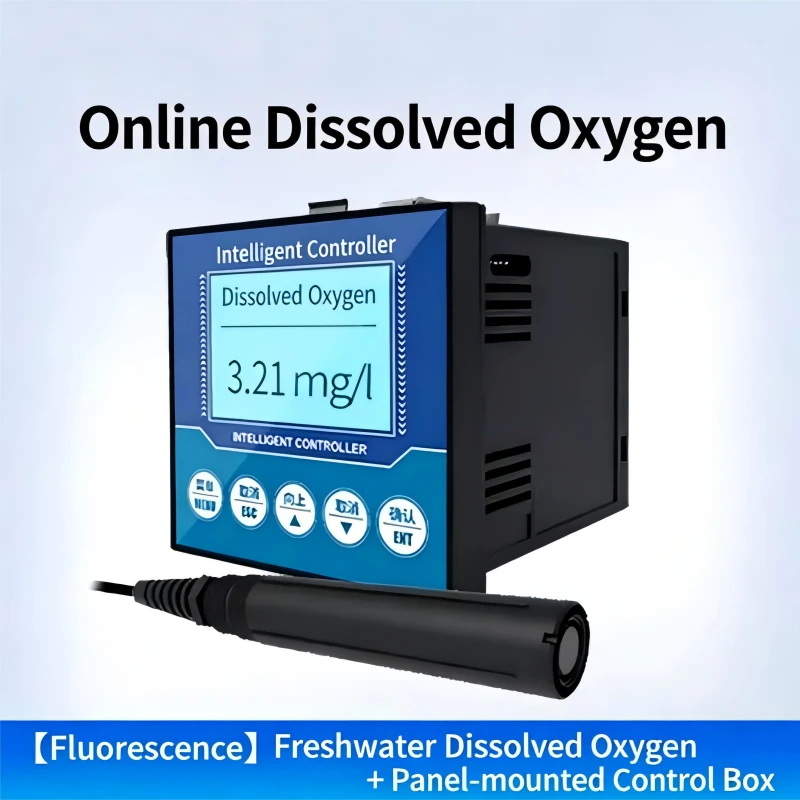
Measuring dissolved oxygen is a simple task with a dissolved oxygen sensor. It gives fast, accurate measurements. With this information, you can make the right changes to keep DO levels at their best. The following explains dissolved oxygen and why it matters in drinking water.
What is Dissolved Oxygen?
Dissolved oxygen is free oxygen gas in a liquid, like water. Because dissolved oxygen strongly affects water organisms, we often measure its level to check water quality. If DO levels are too high or too low, water quality can get worse and harm aquatic life.
Free oxygen is made of oxygen molecules that are not chemically bonded to other elements. These molecules dissolve in water much like sugar or salt does when stirred into a liquid. It is important to note that oxygen bonded in H2O is not counted as dissolved oxygen. This is because it is part of the water compound.
Why is Evaluating Dissolved Oxygen Important?
Dissolved oxygen has several key roles in water. In lakes, rivers, and other ecosystems, it is vital for aquatic animals. All aquatic animals need dissolved oxygen for respiration.
When DO levels dip too low, hypoxia occurs. In extreme cases, when no DO is in the water, it can cause anoxia.
Such conditions are often linked to large algal blooms in water. These blooms break down with help from microorganisms.
During this process, the microorganisms use up dissolved oxygen. As a result, low DO levels are often found near the bottom of a water body. This can affect organisms living in sediment areas.
Seasonal changes can also affect DO levels. A major drop can cause species that are sensitive to these changes to migrate elsewhere. If they do not move, they may get sick or die.
Fast-moving water, like rivers or mountain streams, often has high DO levels due to constant mixing. Conversely, still water holds much less dissolved oxygen. Bacterial activity in these areas further reduces oxygen as bacteria use it while breaking down organic matter.
Too much organic material in water can cause eutrophication. This is when oxygen levels drop so low that the water cannot support life.
Seasonal changes also affect DO levels.
Warmer temperatures in summer and early fall naturally lower DO levels in many water bodies. Coupled with high levels of organic material, these conditions make it very hard for aquatic organisms to survive.
Keeping dissolved oxygen levels balanced is vital for aquatic life. It also helps make drinking water taste good and stay high quality. Thus, regular monitoring and proper management are key to sustaining ecosystems and meeting health standards.
In warm weather, a lake’s surface can get too hot for aquatic animals to live well. Meanwhile, the bottom water often lacks enough oxygen to support life. During long periods of high heat and little wind, which slow water flow, major fish die-offs can happen.
Temperature affects dissolved oxygen in surface waters, which can change daily and seasonally. Aquatic ecosystems are often healthier in winter and spring. Water is cooler then, and oxygen levels stay more stable.
Dissolved oxygen is vital. Aquatic organisms need it to survive. Monitoring its levels in water is a reliable way to assess water quality. Although most dissolved oxygen comes from the air, it can also enter water through groundwater flow.
Uneven dissolved oxygen levels can create “dead zones,” where oxygen drops too low to support most life. These dead zones are often seasonal. They commonly appear during the hot summer months. For example, people often see large dead zones in the Gulf of Mexico. These zones are near Louisiana and the Mississippi Delta.
Oxygen loss in the Gulf is mainly caused by nutrient-rich runoff from the Atchafalaya and Mississippi Rivers. These nutrients cause algal blooms, and bacteria consume the algae after they die. This process greatly lowers oxygen levels in the water. When dissolved oxygen drops below 2.0 mg/L, hypoxia occurs and dead zones form.
The Connection Between Dissolved Oxygen and Water Quality
The dissolved oxygen (DO) level in water gives key clues about water quality. While each species has its own DO tolerance, most aquatic life struggles below 3.0 mg/L. If levels fall between 1 and 2 mg/L, low oxygen occurs and makes the water almost unlivable.
For drinking water, the ideal dissolved oxygen range is 6.5 to 8.0 mg/L. Higher DO levels can improve drinking water taste. But they can also raise corrosion risk.
Treatment facilities must monitor this closely. Conversely, DO levels below 6.5 mg/L may indicate contamination. This may make the water unsafe for people to drink.
The Importance of Measuring Dissolved Oxygen
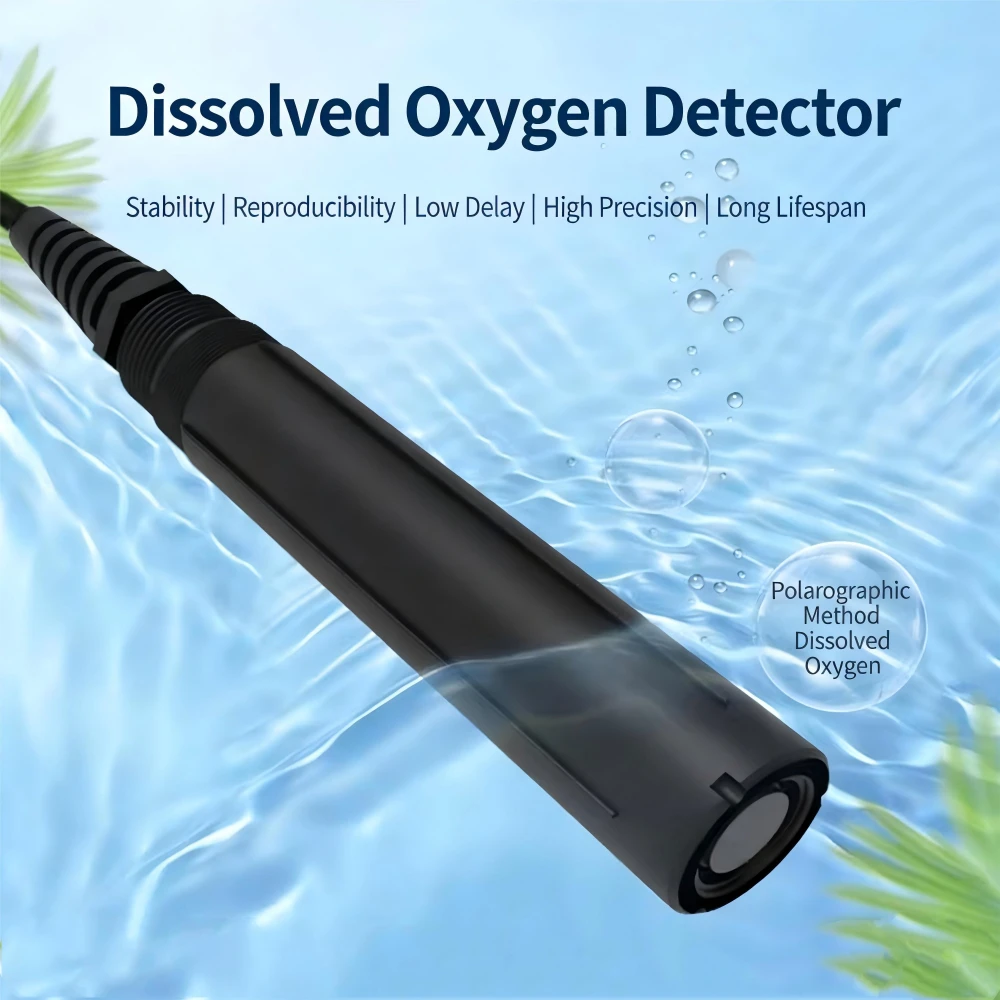
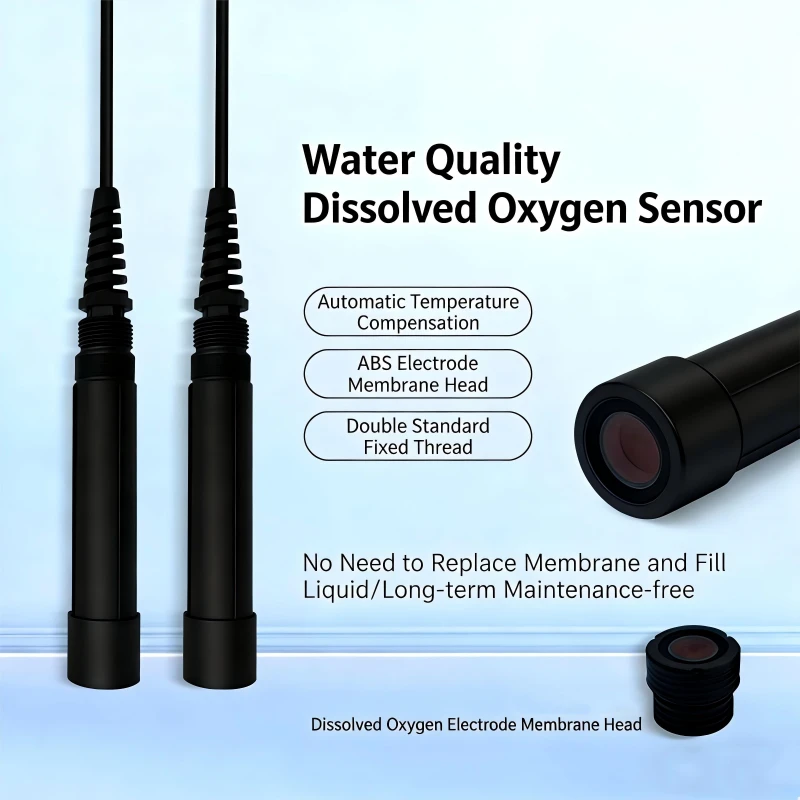
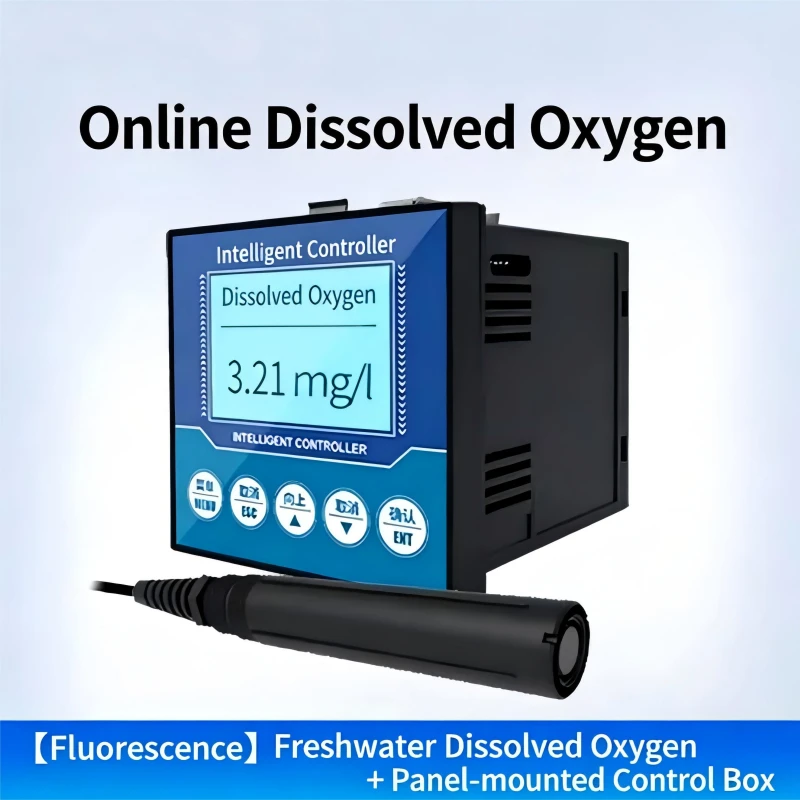
Regular monitoring of dissolved oxygen is essential to ensure both ecological balance and safe drinking water. Many water treatment facilities use water with low DO levels to reduce equipment corrosion. Today, modern dissolved oxygen sensors are compact electronic devices. They allow accurate measurement of DO levels.
These sensors usually have a probe at the end of a cable. They need temperature calibration before use. Temperature can greatly affect DO readings.
Healthy water often has DO levels from 6.5 to 8.0 mg/L. This is about 80% to 110% oxygen saturation.
There are three main methods to analyze dissolved oxygen: electrochemical analysis used by sensors, chemical analysis, and photochemical analysis. Among these options, electrochemical sensors are often seen as the most precise.
Two popular DO sensor types are galvanic and optical sensors. Both are reliable. Advanced models with digital communication can store calibration data in sensor caps. This removes the need to recalibrate before every use.
Understanding and monitoring dissolved oxygen is essential for protecting aquatic ecosystems. It also helps keep drinking water safe and clean.
When measuring dissolved oxygen (DO) concentrations, several factors must be considered:
– Higher air pressure leads to increased oxygen solubility, raising DO levels. Therefore, regions with high air pressure tend to provide better-quality drinking water sources.
– Colder water contains more dissolved oxygen compared to warmer water.
– Increased water movement enhances DO concentration.
– Aquatic plants produce oxygen through photosynthesis, which elevates DO levels in water. This oxygen is then utilized by aquatic organisms, such as plants and fish.
– Since dissolved oxygen takes up space in water, it is important to consider these variables during measurements.
Assessing DO levels helps determine the quality of drinking water. Readings above 6.5 mg/L usually mean the water is safe to drink. Water with DO below this level is best avoided. Dissolved oxygen can be measured with a sensor made for this purpose.