Introduction to Weather Station Equipment
A Comprehensive Overview of Weather Station Equipment Usage
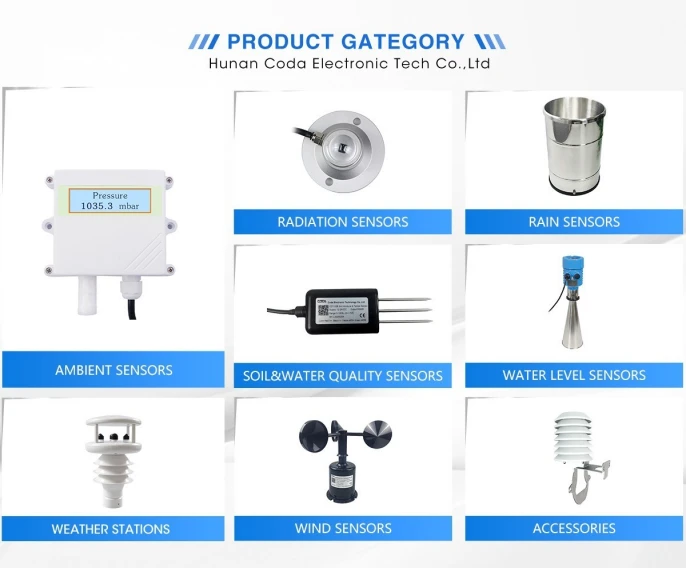
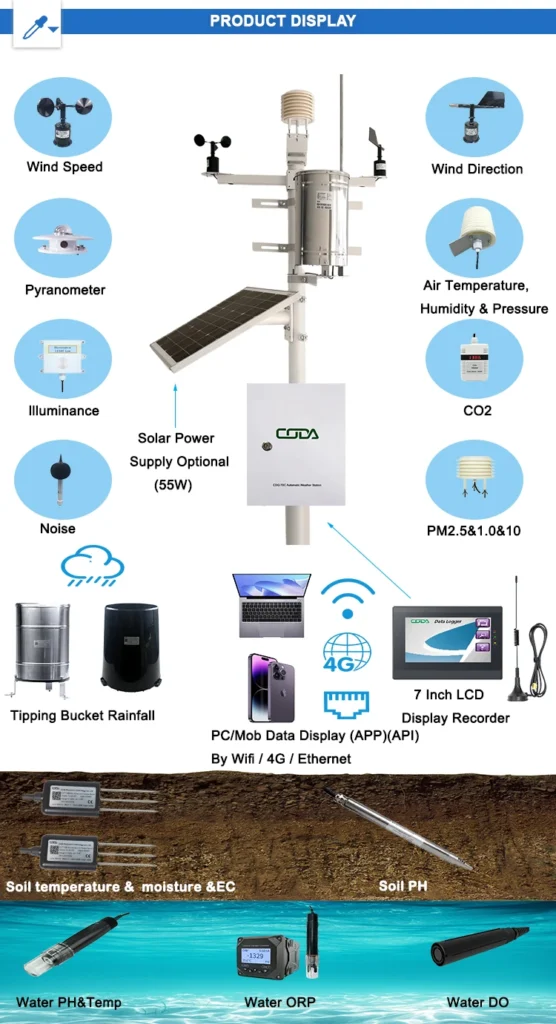
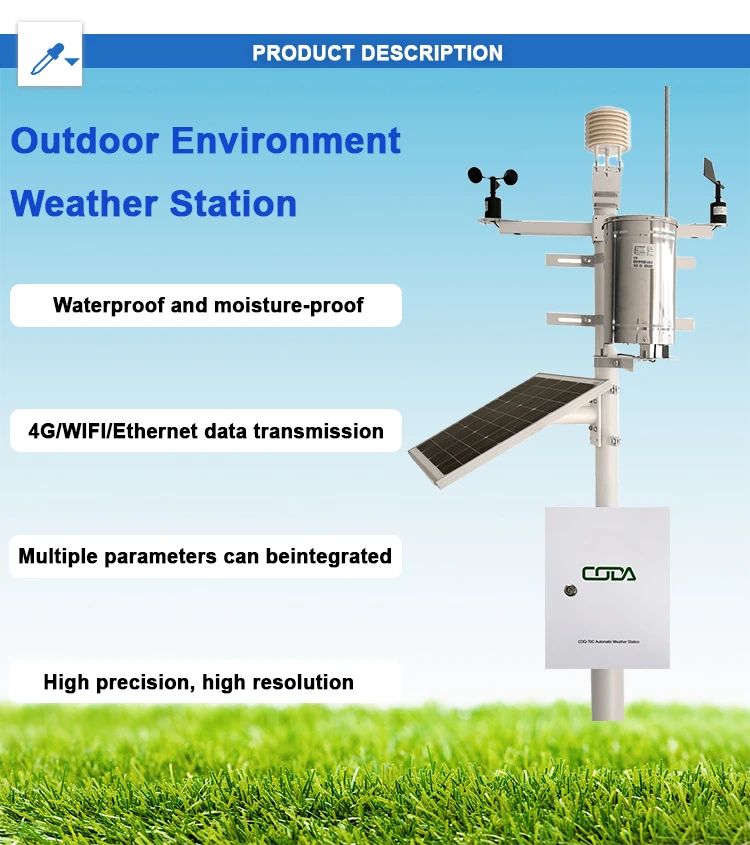
A weather station is a useful tool. It tracks weather changes, soil moisture, and other environmental factors. It often has sensors, data collectors, solar panels, and extra parts.
But what is the purpose of a weather station? This special equipment can be used in many ways. It monitors crop conditions and gives early warnings of weather disasters, among other things.
Purpose of a Weather Station
Weather stations are very important. They help us see changes in the weather. And they check soil moisture and watch industrial areas. They also look at traffic conditions.
As weather tools get better, they become more helpful in many industries. Its role may change based on how it is used. Let’s explore its main features and uses.
1. Air and Weather Monitoring
Weather observation tools help us keep track of the weather. In big forests, measuring solar radiation, air temperature, humidity, wind speed, and direction by hand requires many resources. This makes it hard to do.
A weather station makes this process easier. It provides real-time data on forest conditions. This helps stop fires and sends alerts when fires break out. It also gives clear information for a good response.
2. Soil Moisture Monitoring
As large-scale farming grows, modern tools have become essential for improving efficiency. In agriculture, a weather station helps check soil moisture. It also records key details like wind speed, rainfall, soil temperature, humidity, and nutrient levels.
By understanding these factors, farmers can improve their farming methods. This helps support the growth of smart and modern farming systems.
conclusion
Weather stations are important tools. They help us observe the air and soil conditions that many industries need. These tools are important for accurate farming and keeping the environment safe. They help improve our daily lives and boost production systems.