Does cold weather affect wind speed?
Wind is a natural event that happens every day. We often ignore it. Wind is made by complex processes. These processes are affected by air temperature, land and water distribution, and Earth’s rotation.
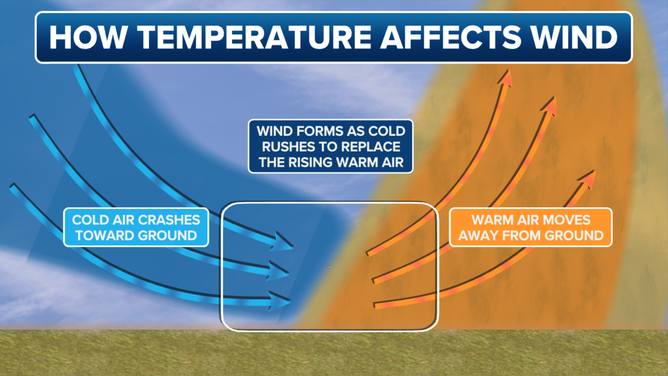
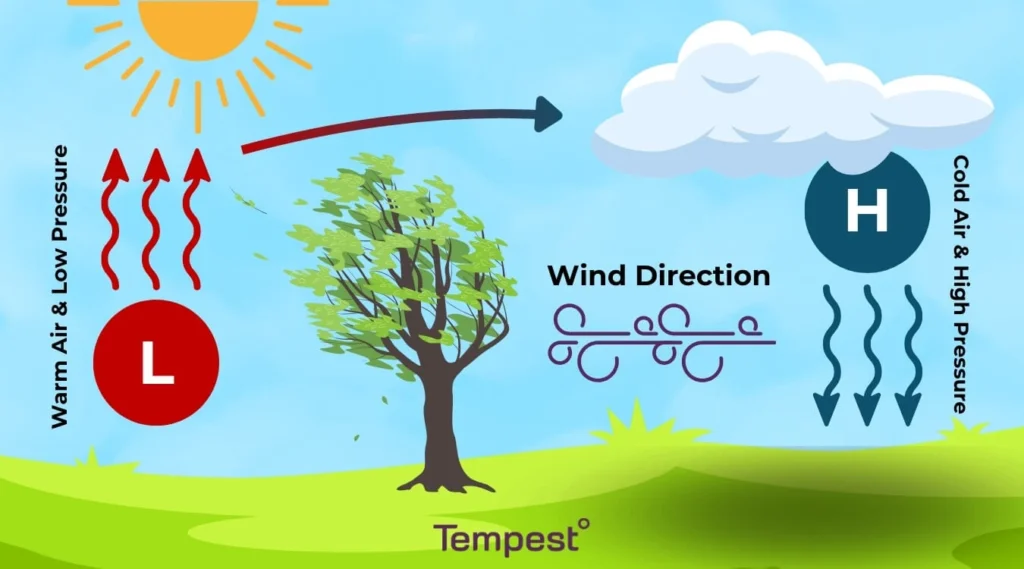
Temperature differences between air masses are key to its formation. These differences cause changes in pressure. These pressure differences cause air to move, which creates wind.
In winter, cold air from the polar regions moves south. This makes temperature differences stronger. This leads to stronger winds.
Understanding how wind is created
At its core, wind occurs due to pressure imbalances between air masses. This is like how water moves from a high-pressure area through pipes to places with lower pressure. Commercial ventilation systems work on the same idea. They pressurize air to send it through ductwork.
The role of temperature in air pressure
Temperature differences between air masses work like fans in a ventilation system. Warm air rises above cold air because it is lighter. This movement causes differences in pressure.
The term “temperature gradient” means the change in temperature between two points. A greater gradient leads to stronger effects, such as:
– Increased pressure differences.
– Higher wind speeds.
When a cold front comes in winter, the temperature difference grows. The cold air is much colder than the warmer air it pushes out. This uneven heating causes stronger winds.
It is especially clear in winter. This is because of the Earth’s tilt and different sunlight exposure in various climates.
Tropical regions have steady temperatures all year because of constant sunlight. In contrast, temperate areas get much colder in winter. Polar regions exhibit the most extreme case, enduring months without direct sunlight.
Seasonal temperature differences between the hemispheres make the gradients stronger. This leads to faster winds in the winter months.
How sea influences wind patterns
Air temperature is important for wind formation. However, being close to water bodies also matters a lot. This is especially true in coastal and island areas.
– Water has a higher heat-holding capacity than land.
During the day, land heats up faster than seawater. This causes winds to blow from the cooler sea to the warmer coast.
– At night, land cools more rapidly than water, reversing wind direction from land to sea.
This effect leads to milder winters in places like the UK. These areas have maritime climates that help keep temperatures stable.
Large landmasses like Canada and Russia have harsher winters. This is because they are far from the sea. This distance reduces the influence of the ocean.
In open waters away from the coast, sailors see more stable weather patterns than on land. Sea temperatures stay more stable between day and night than land temperatures. This shows how water helps keep things steady.
Summary
Temperature differences cause pressure changes, which create wind. Winter makes these differences stronger. Cold fronts cause quick changes in temperature, which leads to faster winds.
Coastal areas and islands have smaller temperature changes because of the nearby seas. This shows why winter in the UK is very different from the harsher conditions in places like Alberta, Canada.