Common Application Areas for Weather Stations

weather station applications

Weather stations are prevalent in numerous regions, and here are some typical uses:

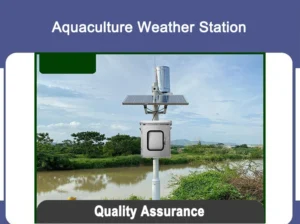
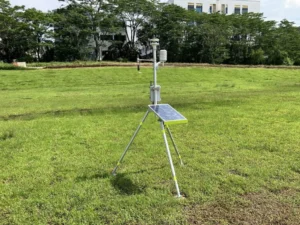
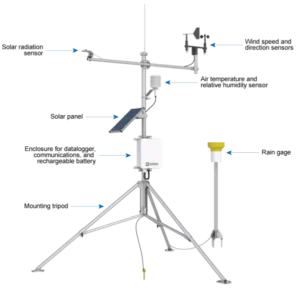
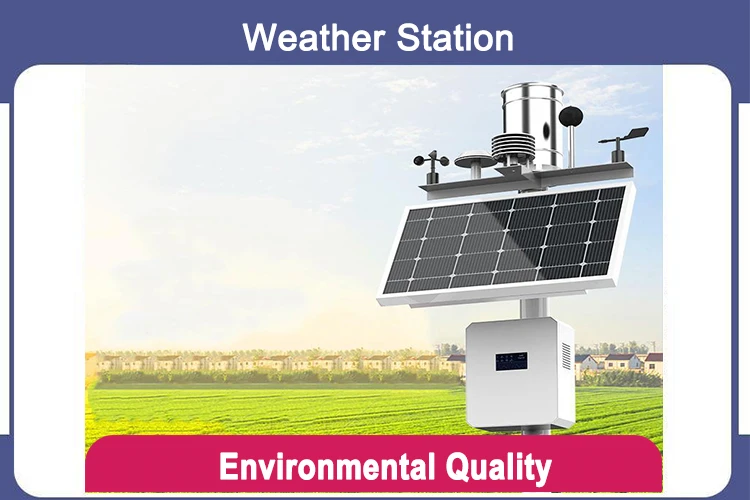
Weather stations are places that watch and predict the weather. They are important for checking weather conditions. At a weather station, systems track weather elements in real time. They give accurate data to help forecast the weather.

Airports:

Airports are key locations for weather stations. These stations track wind direction, wind speed, temperature, and air pressure. This information is crucial for weather data related to flights. It helps keep air travel safe and on time.
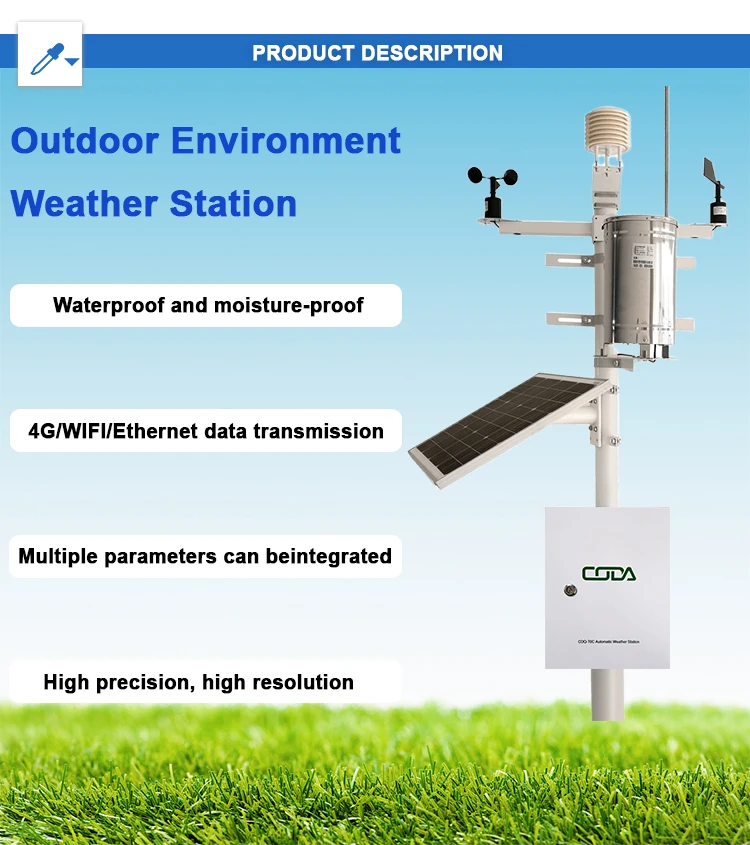
Ports are key locations for weather stations.

These stations track wind direction, wind speed, air temperature, barometric pressure, and more. They provide vital weather data to ships. This information is crucial for keeping vessels safe and helping them navigate easily.

Agricultural field:

The agricultural sector relies on weather stations. These stations track temperature, humidity, light, and other weather factors in real-time. This weather station data provides farmers with the weather information they need to plan their work. As a result, it helps improve farming efficiency and productivity.

Campus Education:

Schools are using personal weather station on their campuses more and more. These stations track the weather in real time. This helps students learn about weather through fun programs. It improves their understanding of nature and encourages them to care for it.

In summary, many places use weather stations. They give important help for daily life and work activities.
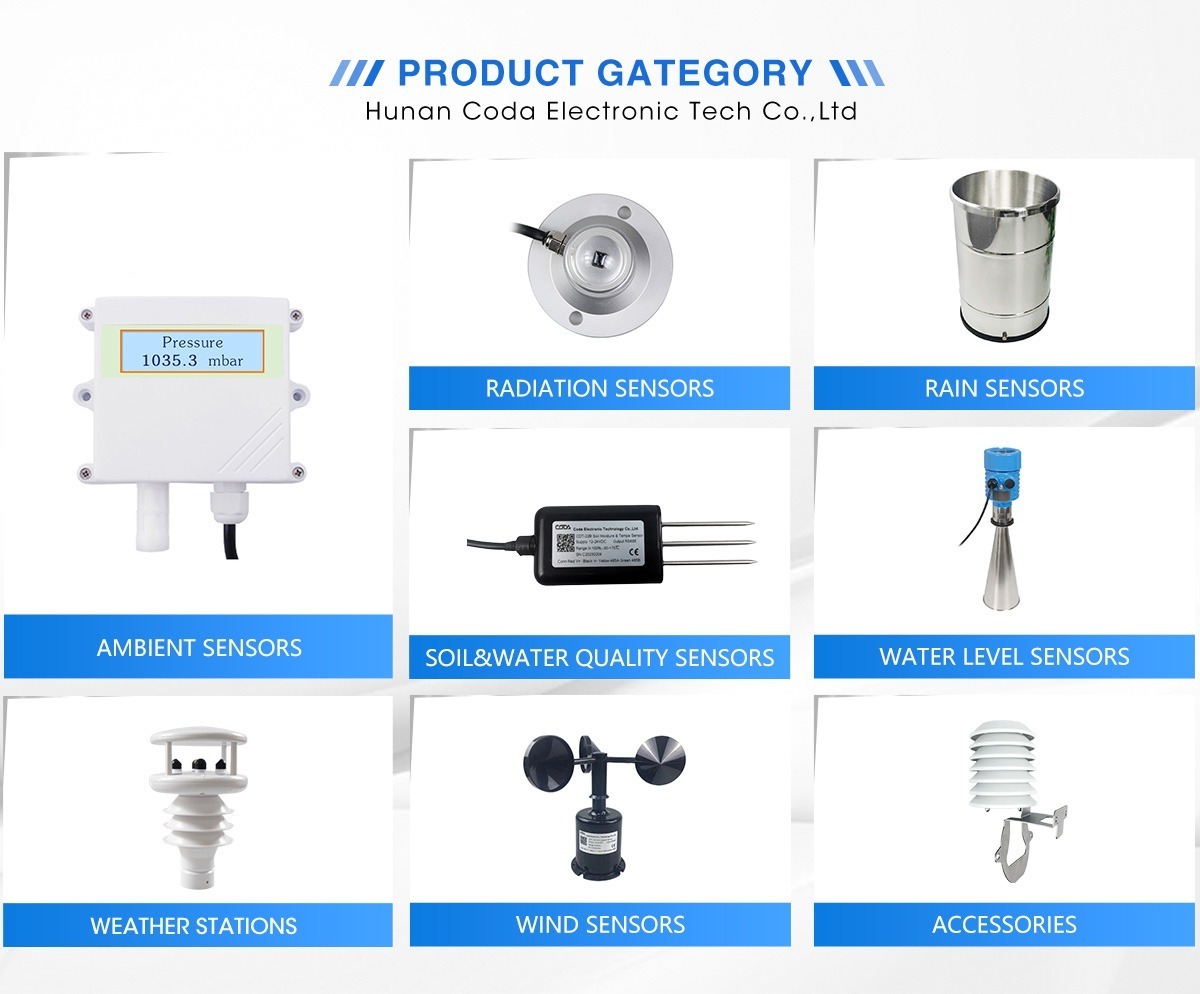
In meteorological monitoring, CODA, with strong expertise and extensive experience, has developed various monitoring solutions for customers.

CODA provides suitable solutions for every situation. This covers complex cities, vast wilderness, farming’s precise needs, and special industries such as aerospace and shipping.

When it comes to monitoring weather in cities, we set up a lot of smart sensors. These sensors unceasingly gather crucial data, including temperature, humidity, air pressure, wind speed and direction, and air quality. This helps city planners and environmental protection workers prepare ahead of time for weather – related disasters and pollution problems. As a result, city dwellers can enjoy a better quality of life and stay safe.

In agriculture, our tailored weather monitoring plan precisely measures things like soil moisture, rainfall patterns, and sunlight levels. This scientific data helps farmers plan farming well. They can then decide the best ways to water and fertilize their crops.It helps make farming smarter and more productive.

Related Post

What are the categories of hydrology?
Sensor-knowledge
Peter chen

What is Hydrology?

Hydrology involves examining the distribution, movement, and characteristics of water on Earth, as well as the processes that cause changes. Researchers can divide hydrology into several categories based on various research viewpoints and applications.

Read More »
How to Select the Optimal Soil pH Meter?
Sensor-knowledge
Peter chen

How to Select the Optimal Soil pH Meter?

When the soil pH level is about 6.5, plants can absorb and use nutrients better. This helps them grow and develop. Thus, one cannot overstate the importance of a soil pH sensor. But how do we go about selecting this type of device?

Read More »
How Do Weather Sensors Work?
Sensor-knowledge
Peter chen

How Do Weather Sensors Work?

Weather sensors are instrumental in gathering data about atmospheric conditions, enabling us to understand and forecast weather patterns more accurately. These devices detect various parameters

Read More »
Tell us your requirements, Let's discuss more about your project.we can do more.
Please enable JavaScript in your browser to complete this form.

Welcome to Hunan CODA Electronic Technology Co., LTD

if you have any questions

Supported Payment :
Paypal
L/C
T/T