What is TVOC? Is it a gas?
TVOC stands for Total volatile organic chemicals compounds. It is a measure of air quality. This includes substances like benzene, alkanes, aromatic hydrocarbons, alkenes, halogenated hydrocarbons, esters, aldehydes, and ketones.
These compounds can easily turn into gas and go into the air. They have a vapor pressure above 133.32 pa at room temperature. Their boiling points range from 50℃ to 250℃.
TVOC is not just one gas. It is a mix of different compounds. These vocs include hydrocarbons, halogenated hydrocarbons, oxygenated hydrocarbons, and compounds with nitrogen. Inside buildings, TVOC levels usually range from 0.2 mg/m³ to 2 mg/m³.
However, high levels can occur due to poor decoration practices. Common sources of TVOC are materials like paint, wallpaper, putty, and adhesives. These materials can harm human health effects because they cause long-lasting pollution.
TVOC comes from many sources. These include building materials, decorative items, home products, and office supplies. Examples are artificial boards, foam insulation, plastic sheets, paints, coatings, adhesives, wallpapers, carpets, cosmetics, and cleaning products. Other sources are household fuels, tobacco smoke, human waste, outdoor industrial areas emissions, and vehicle exhaust.
There are different types of volatile organic compounds:
– VVOCs (Very Volatile Organic Compounds): These are very volatile substances. They have low boiling points and low molecular weights. You often find them in solvent-based paints.
– VOCs (Volatile Organic Compounds): These are general volatile substances. They exist at room temperature and pressure and have higher boiling points than VVOCs. They are common in regular paints.
– SVOCs (Semi-volatile Organic Compounds): These are less volatile substances. They have higher boiling points and can exist as gases or aerosols.
– TVOCs: This term refers to all volatile organic compounds found in the air.
To measure TVOC levels, we mainly use two methods: sensors and gas chromatography-mass spectrometry (GC-MS).
1. TVOC Sensors: These sensors are a fast and cheap way to check air quality. They use a method that finds TVOCs and turns them into electrical signals.
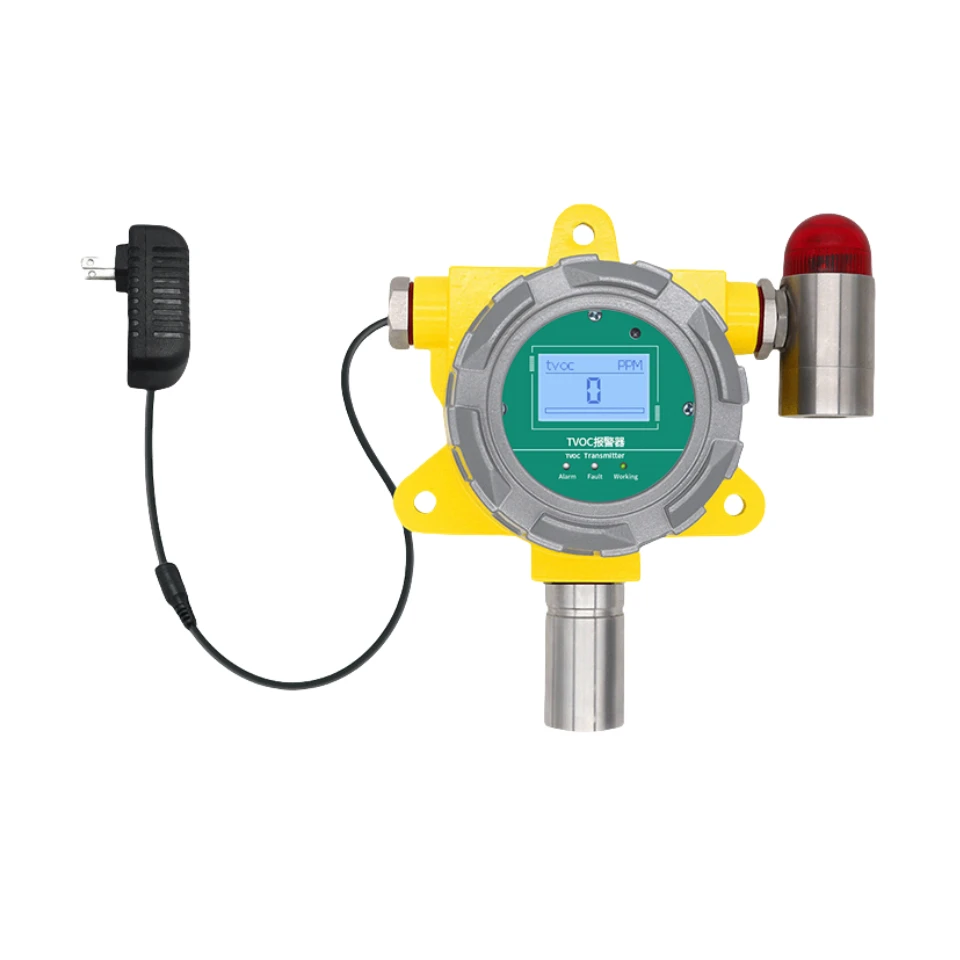
This helps monitor and set off alarms based on concentration of vocs levels. Many air quality monitors come with TVOC sensors. Our company sells wall-mounted sensors. They are made of strong ABS material for tough environments.
They offer different output modes like RS485, 4-20mA, 0-5v, and 0-10v. This makes them useful in homes, factories, or warehouses. For bigger monitoring needs, sensors can be set up in several places.
They can upload data to a central system. This lets users see current and past data. Our cloud platform is free to use.
TVOC Sensors and Explosion-Proof TVOC Detectors
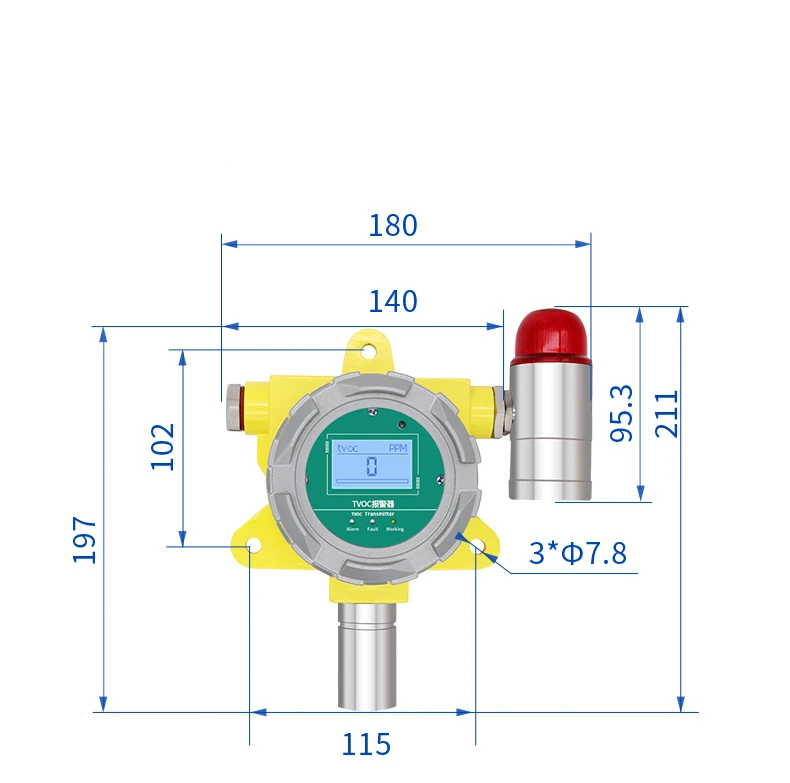
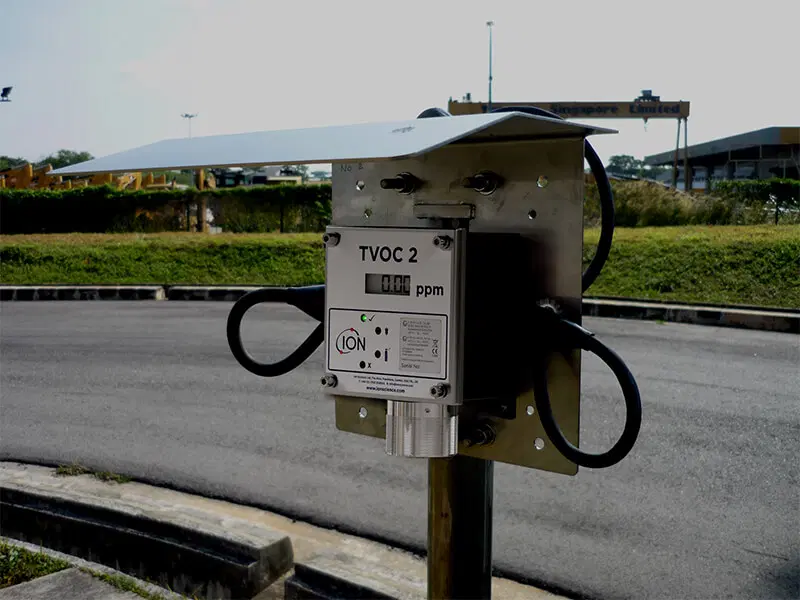
The explosion-proof TVOC detector is a special device. It has a strong and safe design. It is installed in a fixed way. The casing is made of stainless steel, so it can work safely in dangerous areas.
It has a dot matrix LCD display and offers output options like 4-20mA analog or RS485 digital signals. Users can request changes and custom options. This includes fine-tuning output signals and adding extra features.
Understanding Gas Sensors: Types, Principles, and Applications
Gas Chromatography-Mass Spectrometry (GC-MS)
This method is known for its high precision in monitoring. It starts by separating air samples using a gas chromatography column. This process lets us isolate different compounds at certain times. Then, these compounds are analyzed with a mass spectrometer.
The mass spectrometer identifies them based on their mass-to-charge ratio (m/z). The GC-MS method is very accurate and sensitive. It can detect a wide range of TVOCs. It needs special equipment and trained staff to work.
The Impact of VOCs on Human Health
Exposure to vocs to excessive levels of volatile organic compounds (VOCs) carries several health risks:
1. **Respiratory and Skin Irritation**:
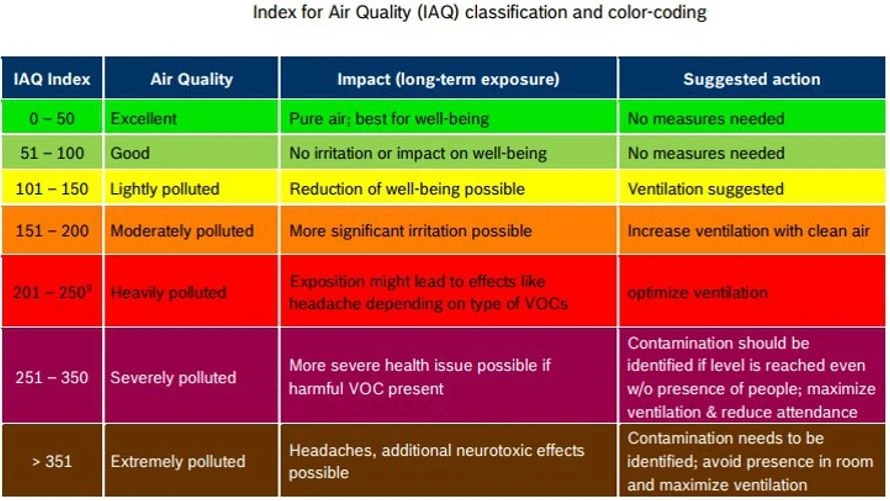
High levels of VOCs can irritate the skin and mucous membranes. Breathing them in can harm the respiratory system. This may cause symptoms like coughing, eye nose and throat, headaches, and chest pain.
2. **Genotoxic Effects**:
Being around VOCs for a long time, especially formaldehyde, can lead to serious health issues. It is linked to tumors in the nasopharynx, miscarriages, and fetal issues. It can also cause thinking problems in teens and issues with blood.
3. **Immune and Central Nervous System Disruption**:
VOC pollution can weaken the immune system. It can also harm the central nervous system. This may lead to dizziness, headaches, and tiredness.
The digestive system can be affected too. This can lead to a loss of appetite. In serious cases, it may cause liver damage and blood problems.
**Preventive and Treatment Measures**
To reduce risks, avoid staying in places with high VOC levels for too long. If poisoning occurs:
– Get medical help right away.
– Give oxygen if needed.
– Rinse affected skin and mucous membranes with water, then wash with soapy water.
– When you can eat, doctors may suggest infusions, a diet rich in protein, and drinking more water to help you recover.
How to Reduce TVOCs (Total Volatile Organic Compounds)
1. Improve Ventilation
Open windows to let fresh outdoor air in. This helps get rid of TVOCs and other indoor pollutants, such as formaldehyde and carbon monoxide. Using a fresh air system or an exhaust fan works well, too. These systems bring in clean air and push out polluted indoor air quality.
2. Use an Air Purifier
Place activated carbon in different parts of your home to soak up TVOCs. Activated carbon works well to remove harmful substances. It should be replaced every 20 to 30 days. Also, using activated carbon with HEPA filters can improve the removal of organic compounds.
3. Opt for Environmentally Friendly Materials
Choose products that have low or no VOC content. This includes paints, flooring, glue, and furniture that follow environmental rules. Avoid items with high TVOC levels.
Choose products that are good for the environment, especially solid wood furniture. This helps lower harmful emissions, such as formaldehyde, from man-made materials.
4. Incorporate Air-Purifying Plants
Some plants, like spider plants, snake plants, and ivy, can absorb TVOCs. These include compounds like benzene and formaldehyde. Bringing these plants into your space can help clean the air naturally.
5. Manage Indoor Humidity
Keep humidity levels between 40% and 60%. Too much humidity can increase the release of TVOCs from materials. Use a humidifier or dehumidifier to manage moisture in your home. This will help lower emission rates.
6. Clean Regularly
Keep dust from building up because TVOCs can stick to dust. Regular vacuuming and cleaning help keep these substances away. Choose cleaning products that are VOC-free or natural. This helps keep your indoor space clean and free from extra pollutants.
7. Accelerate Off-Gassing
For new furniture or building materials, let them off-gas in a well-ventilated area. A balcony or yard works well. This should be done before bringing them inside. Sunlight can help speed up the release of harmful gases during this time.
8. Use Sealants
Use eco-friendly sealants on construction materials or furniture that may release VOCs. A sealed surface lowers the amount of harmful gases released over time.
9. Explore Advanced Purification Technologies
Photocatalytic devices use light to break down airborne VOCs. Ozone machines can clean the air in some situations.
Being around ozone for a long time is not safe. Use ozone machines carefully. Only use them in empty spaces for safety.
By following these steps often, you can reduce TVOCs and make the air inside your home better. This will make your home healthier.