What is an Outdoor Weather Station?
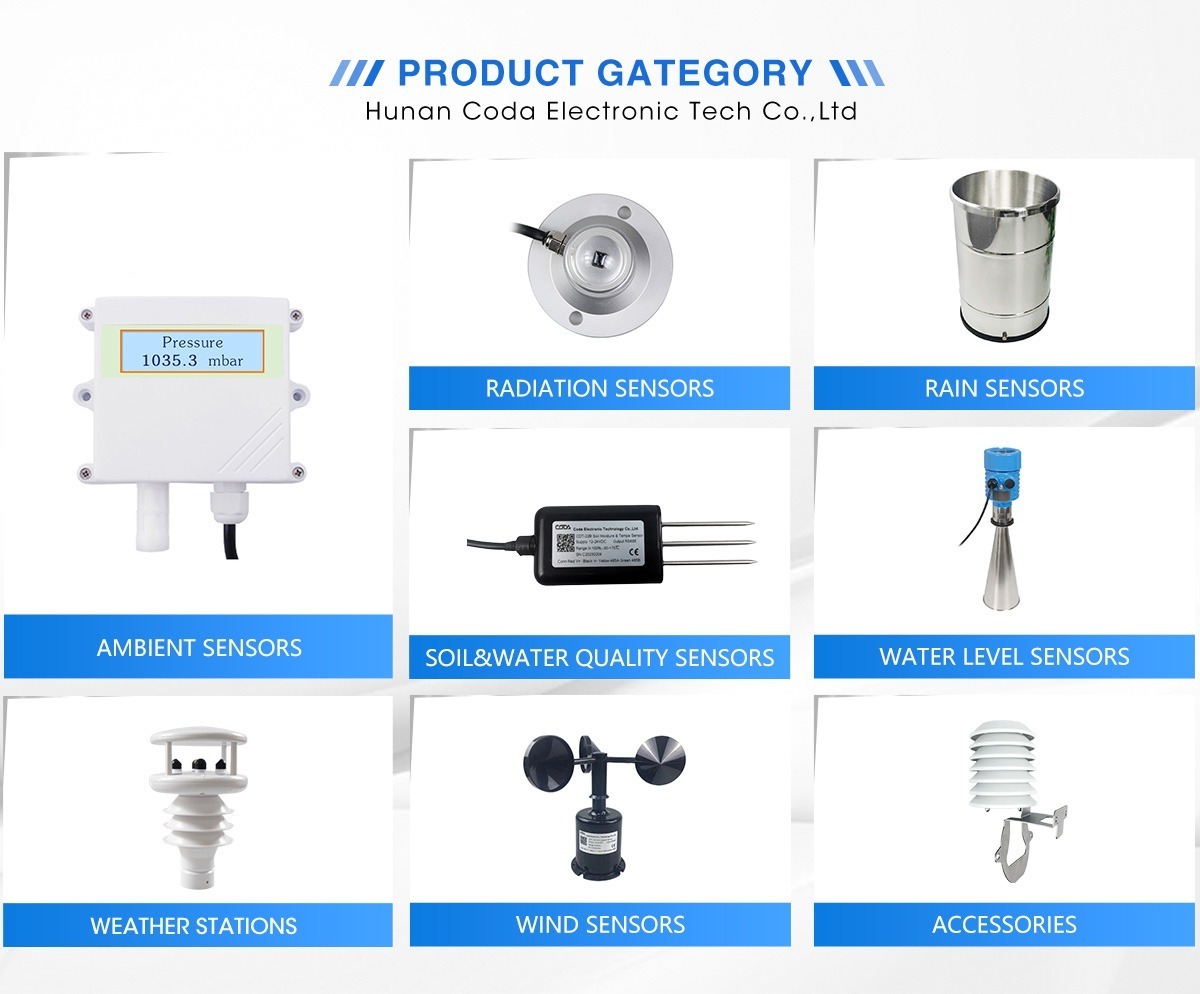
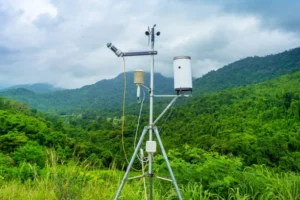
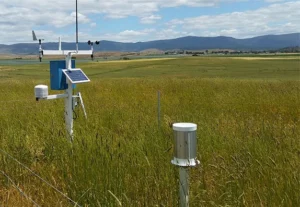
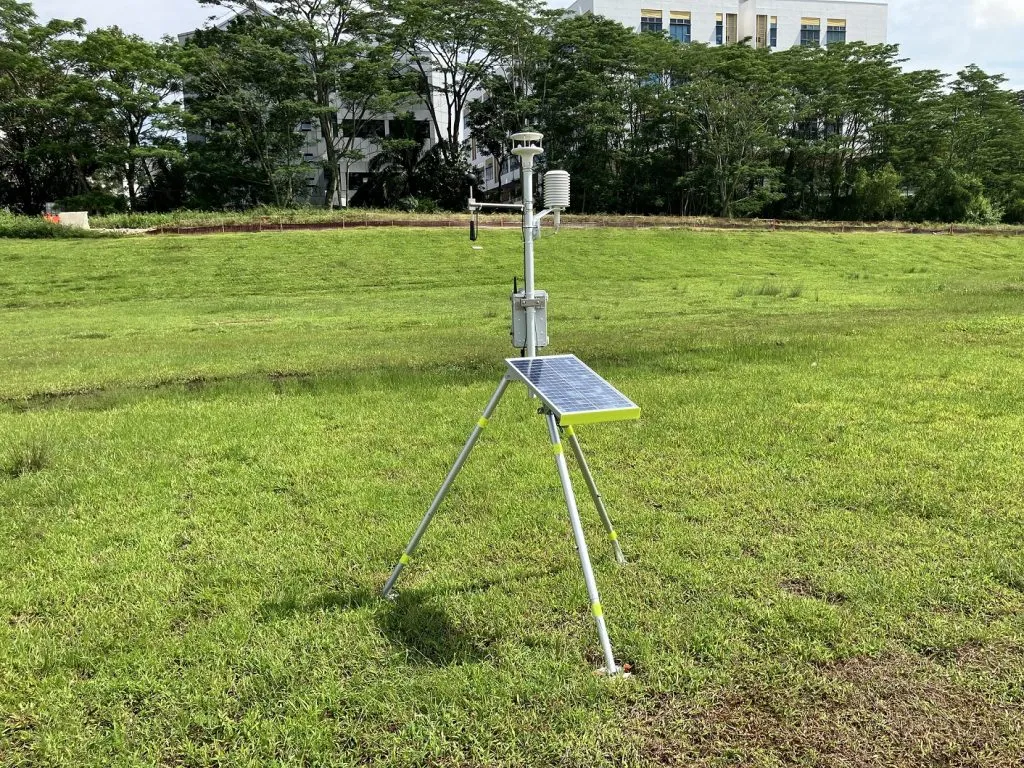
An Outdoor Weather Station (OWS) is a device that tracks and records different outdoor weather conditions. It has several sensors that gather data in real time. This data includes temperature, humidity, air pressure, wind speed, wind direction, and rainfall.
These sensors are often put on a stable structure. This helps make sure things are accurate and work well all the time. They collect data and change it into digital signals.
These signals are sent wirelessly or through wires to a display or data system. Users can access current and past weather information. They can use the main device or companion apps.
Outdoor weather stations are used in many places. These include homes, farming, weather studies, education, and research. They provide clear weather information. This helps people and groups make good choices.
This includes picking the best times for outdoor fun, planning when to grow crops, scheduling watering, and more. Weather stations give us important information. They help us watch the environment, study the weather, and make forecasts.
The features of outdoor weather stations differ based on their model and brand. Some advanced devices have extra features. These include sunrise and sunset times, UV index measurement, and air quality monitoring. Prices vary based on what each station can do.
An outdoor weather station is a useful tool for gathering important weather data. It helps users understand their local climate and respond effectively.
How Does an Outdoor Weather Station Work?
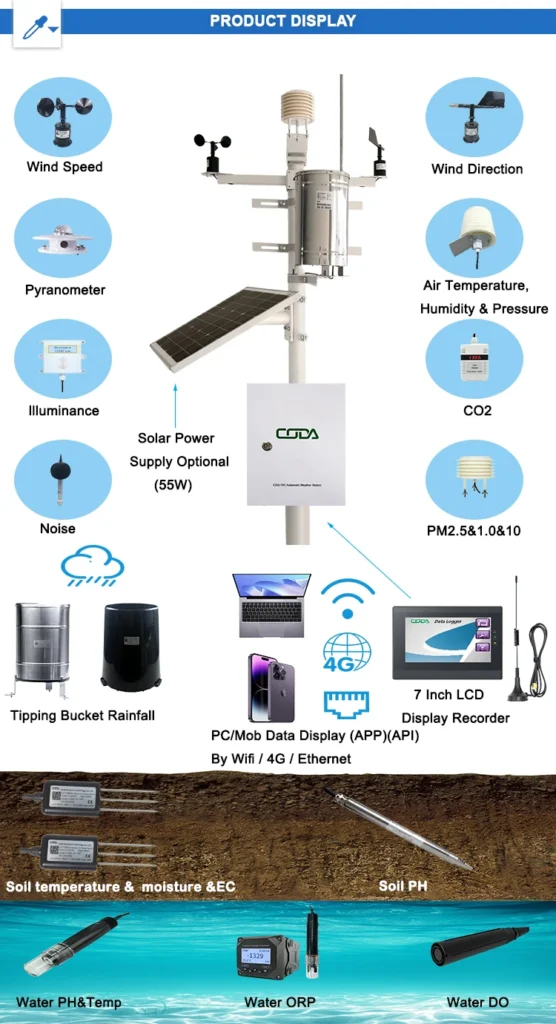
An Outdoor Weather Station works by collecting weather data using its built-in sensors.
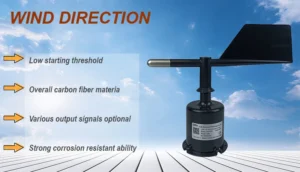
Each station often has different sensors. These sensors measure things like temperature, humidity, air pressure, wind direction, wind speed, and rainfall. These sensors notice changes in their parts.
They change the measurements into digital signals. Then, they send the data to a main device or display. This can be done without wires or with wires.
For example, when a temperature sensor detects a change in temperature, it converts the measurement into a digital format. Then, it sends a signal to the display or storage system.
Humidity sensors work by checking moisture levels in the air. Other sensors operate in similar ways for their specific measurements. Once collected, the device or screen combines all the data. It then turns the data into information that the user can read and analyze.
To keep accuracy and reliability, these sensors are placed on a secure stand. They need regular calibration and maintenance. This ensures that the measurements remain precise over time.
In summary, outdoor weather stations function by gathering data through various specialized sensors. These measurements are turned into digital signals. They are sent to users in an easy-to-understand format. This provides clear information about the weather now and in the past.
**Applications and Roles of Outdoor Weather Stations**
Outdoor weather stations have many uses in different fields. Here is a summary of some common applications and their benefits:
1. **Residential Use:**
Outdoor weather stations help families keep track of weather conditions. They measure temperature, humidity, air pressure, wind speed, and rain. This information helps people make smart choices. They can adjust outdoor activities, plan barbecues, or manage home watering systems.
2. **Agriculture:**
Farmers need outdoor weather stations to track local weather. These stations measure temperature, humidity, air pressure, wind speed, and rainfall.
This data helps make farming better. It improves planting, watering, fertilizing, and harvesting. This work aims to boost crop yield and quality.
3. **Meteorological Observatories:**
These stations are important for observing the weather. They give detailed climate data. This data helps with research and makes weather forecasts more accurate.
4. **Research Institutions:**
Outdoor weather stations are widely used in scientific studies. They help with climate change research and environmental monitoring. They provide reliable weather data. This data is essential for understanding important patterns and trends in the atmosphere.
5. **Educational Institutions:**
Schools use these stations in their programs to help students understand weather and science better. By engaging with these tools, students can develop their scientific literacy and practical skills.
**Cost of Outdoor Weather Stations**
The price of outdoor weather stations depends on factors such as brand reputation, features, and overall performance. Generally:
– Entry-level models range from $300 to $1,000.
– Premium or professional-grade models may cost several thousand dollars or more.
Key factors influencing the price include:
1. **Brand and Manufacturer:**
Renowned brands often charge higher prices but typically guarantee better reliability and precision.
2. **Features and Sensors:**
Different models have different features and sensors. These can include tools for checking wind speed, direction, and rainfall levels. More advanced functionalities often result in higher pricing.
3. **Data Transmission Capabilities:**
Some models allow wireless data transmission. This lets users access real-time weather data on their smartphones or computers. These features usually make the units cost more than basic wired models.
4. **Build Quality and Longevity:**
High-quality materials and advanced technology make the device more reliable and durable. This can greatly affect its cost.
It is important to remember that these prices are estimates. They can change due to market factors, regional differences, and manufacturer pricing policies. Buyers should think about their needs and budget when choosing an outdoor weather station.
conclusion
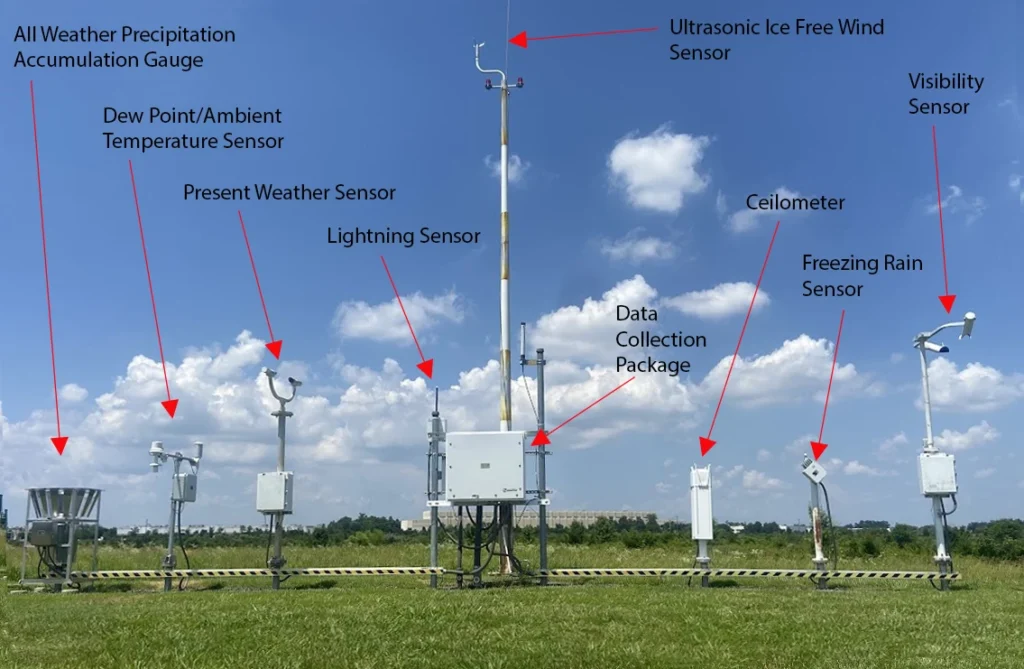
Outdoor weather stations are important in many places. They provide accurate weather data. This information helps people and groups make good choices.
These devices help with farming, weather research, and education. They provide great value in adapting to and understanding local climate conditions.