How Often Should You Calibrate an Anemometer Accuracy Readings?
It doesn’t matter if you are a meteorologist, a weather fan, or use handheld anemometers for your job. It is important to make sure your anemometer provides accurate readings.
An vane anemometer accuracy measures how fast the wind blows. Like any good tool, it needs regular checks to stay dependable. How often should it be checked and changed?
Let’s look at why this process matters. We will look at what affects how accurate measurements are. We will also talk about the best ways to make a good calibration schedule.
The Importance of Calibration
Calibration means checking an instrument’s measurements with a known standard. This helps to find and fix errors. For an anemometer, this process makes sure that wind speed and direction are measured accurately.
If calibration is not accurate, the data collected can be unreliable. This can lead to errors in weather analysis or industrial processes.
Over time, things like environmental exposure, wear and tear, and electronic drift can lower an anemometer’s performance. Regular calibration helps find mistakes and makes sure the device gives reliable readings. This makes it useful in many ways.
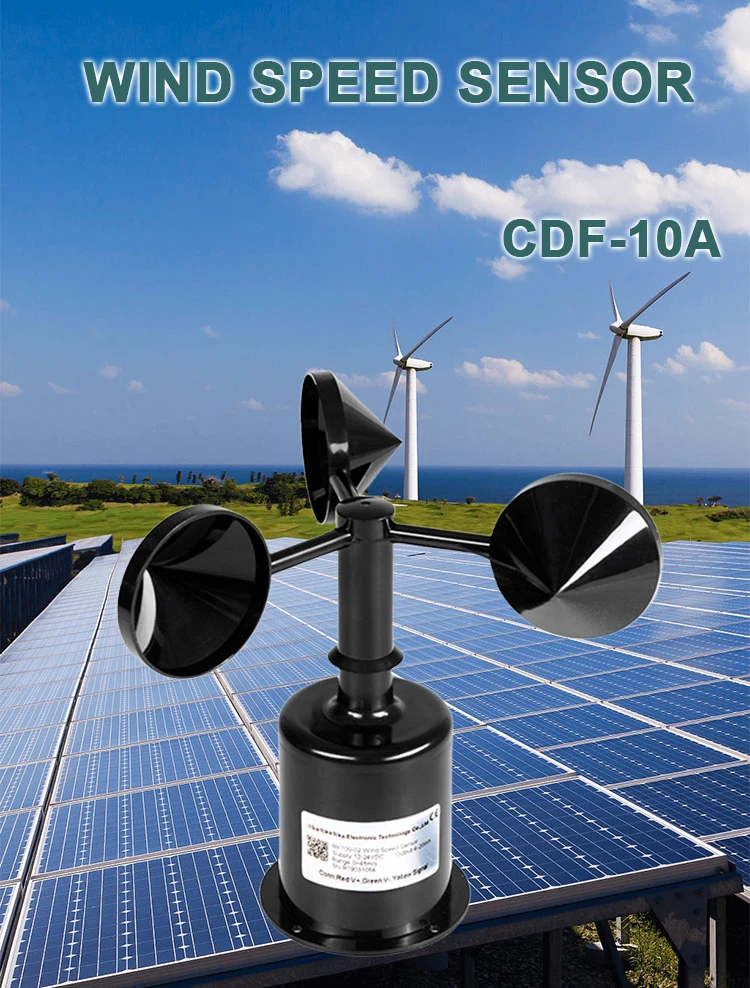
Key Factors Influencing Accuracy
Many things can affect how accurate an anemometer is. This shows the need for regular maintenance and calibration. Extreme temperatures, high humidity, dust, debris, and moisture can hurt how well sensors work over time.
Mechanical parts can get worn out as time goes by. This can cause more friction or small damage that might change the results. Electronic parts can change as time goes on. This makes the readings less reliable.
When and How Often to Calibrate
The recommended calibration frequency depends on the type of anemometer, how it is used, and the manufacturer’s guidelines. Usually, yearly calibration is enough to keep readings accurate.
For important tasks like weather forecasting or industrial work, being accurate is very important. You may need to calibrate more often, like every three months or even every month, to follow strict rules.
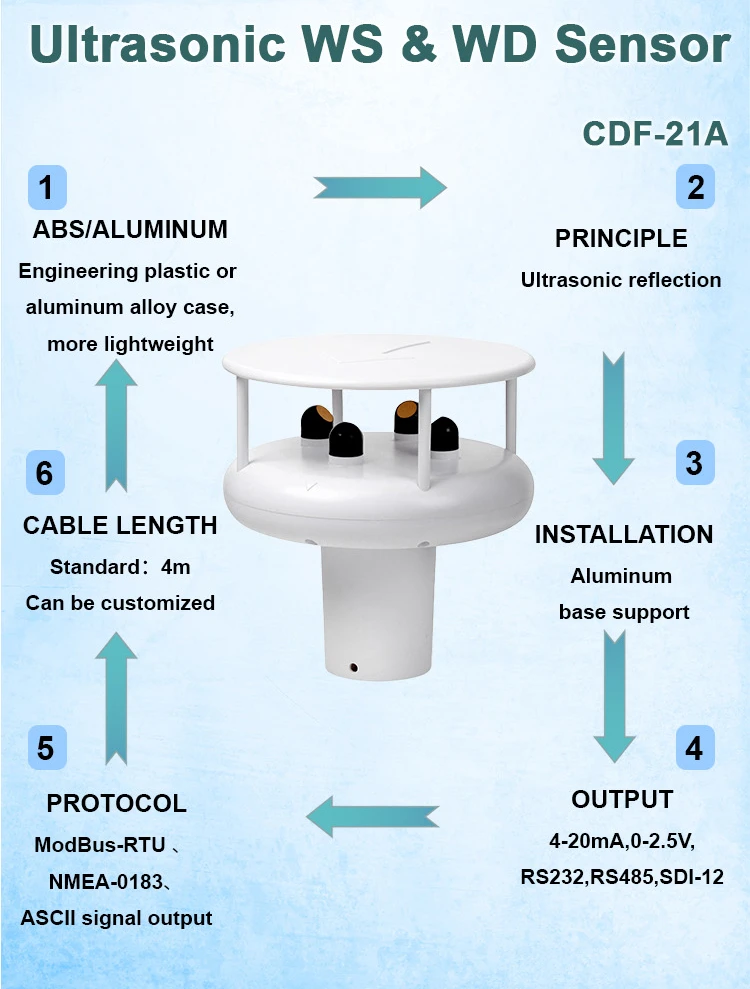
Calibration Techniques
There are two common ways to check cup anemometer: field checks and lab tests. Field checks involve comparing the device’s readings with those of a reference instrument under real-world conditions.
This method is not very precise. It mainly helps to find large differences. It is helpful for quick checks.
Laboratory calibration, on the other hand, offers a higher level of accuracy. This process tests the anemometer in controlled settings with set accurate average wind speed. Laboratory calibrations are very important for tasks that need high precision.
Challenges in Calibration
Calibration isn’t without its challenges. It is important to make sure that the equipment used for calibration meets national or industry standards. If it doesn’t, mistakes may happen in the process.
Another common problem is not using calibration techniques correctly. It is important to follow the instructions and best practices from the manufacturer. This helps avoid mistakes during recalibration that could affect future readings.
Final Thoughts
Regular calibration is important. It helps keep anemometer readings correct and dependable over time. The frequency of these calibrations will depend on how the device is used and what it needs.
Users can keep their anemometers in good shape by checking for weather exposure and wear. This is important for checking the weather, for use in industries, and more.