What’s the difference between fog sensor and visibility sensor?
Fog sensors and visibility sensors both check weather conditions. However, they look at different factors and serve different purposes.
*Fog Sensor**
Fog detection sensor are designed to detect fog in the air. These devices find water droplets, aerosol particles, and other signs of fog.
There are different ways to detect fog. These methods include optical techniques, capacitive sensing, and measuring how well electricity flows.
Fog detection sensorare very sensitive. They can often detect fog in its early stages. This skill helps prevent accidents by providing timely warnings.
**Visibility Sensor**
Visibility sensors measure how clear the air is. They do this by checking how far we can see objects clearly. They send out a beam of light. Then, they measure how it scatters or gets absorbed by particles like fog, smoke, or dust. Lower visibility readings mean there are more of these particles in the air.
Visibility sensors can detect fog by measuring how it affects visibility. Their main job is to see how clean the air is. These sensors are often used on roads, airport runways, and open spaces. Visibility has a big impact on safety and operations in these places.
In summary,fog detection sensor detect fog and measure how much there is. Visibility sensors check how clear the air is. They also check how it responds to fog and other particles. Both types of sensors are important for weather monitoring and traffic safety.
**Applications of Fog Sensors**
1. **Intelligent Transportation Systems (ITS):**
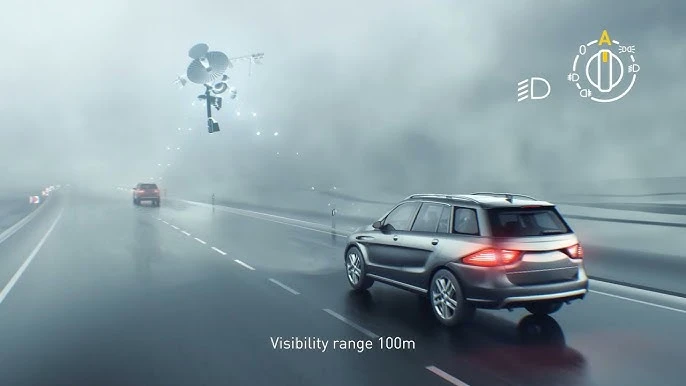
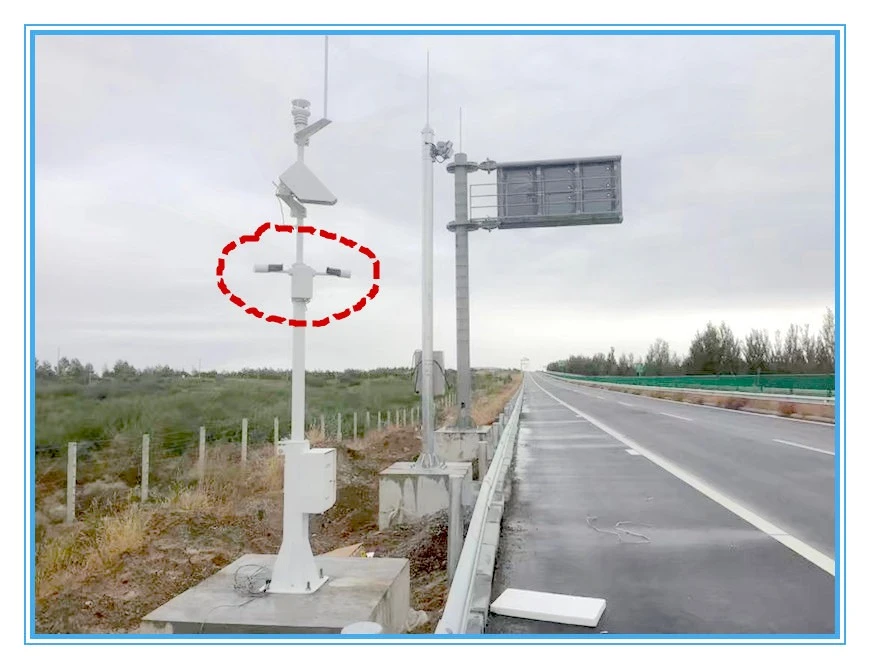
Fog detection sensor on highways and city roads help find fog. They turn on warning systems. These systems warn drivers using roadside signs or navigation apps. This helps them change their speed and stay safe.
2. **Aviation:**
Airports use fog detection sensors to check runway conditions. This helps make takeoffs and landings safe for planes. Aircraft navigation systems can also have fog detection. This feature improves what pilots can see during flights.
3. **Agriculture:**
Atmospheric fog detection sensor help track how weather affects crops. This lets farmers do things like watering plants or using anti-fog sprays.
4. **Environmental Monitoring:**
These sensors measure water vapor and small particles in the air. They help check air quality and reduce pollution.
**Applications of Visibility Sensors**
1. **Intelligent Transportation Systems (ITS):**
Visibility sensors give real-time updates on how clear the road is. They help traffic lights change and warn drivers when visibility is low.
2. **Weather Forecasting:**
Meteorological agencies use visibility sensors to see how clear the air is. They look out for fog, rain, snow, and other weather. This helps them give timely warnings.
3. **Marine Navigation:**
Ships use visibility sensors to navigate safely. They can do this even in bad weather, like thick fog.
4. **Industrial Safety:**
Mines, chemical plants, and other industries use sensors to see. These sensors help keep work areas safe and protect workers.
Fog and visibility sensors are important in many fields. They help make things safer, more efficient, and better for the planet. These technologies help in bad weather and tough environmental conditions. They are helpful for transportation, farming, predicting the weather, and industry.