Understanding Temperature Probes: Types and Applications
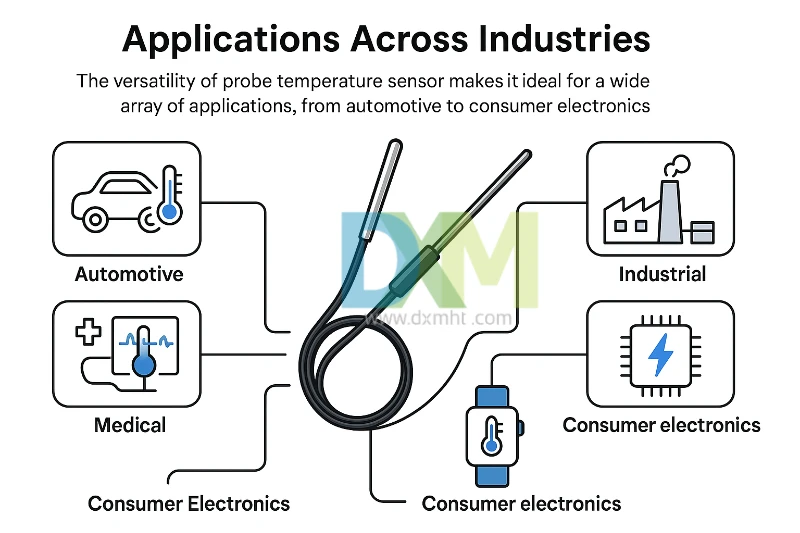
A temperature probe is a tool that measures temperature. It turns this measurement into a helpful signal. These probes are key parts of temperature monitoring devices. They are used in many industries for precise measurements and control.
FAQs on Moisture Sensors
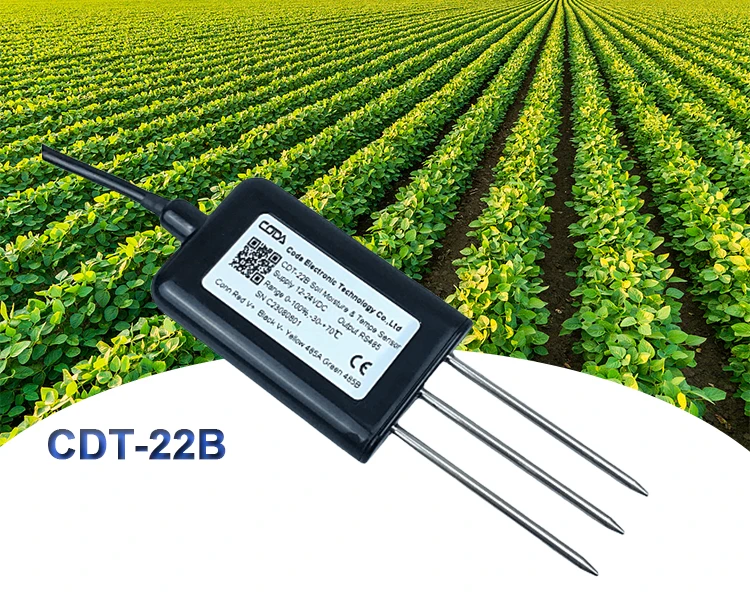
Knowing about soil moisture and why it matters is important in farming. Soil moisture is the water found in the soil. It is very important for helping plants survive and grow.
Why is it important to measure wind speed and direction?
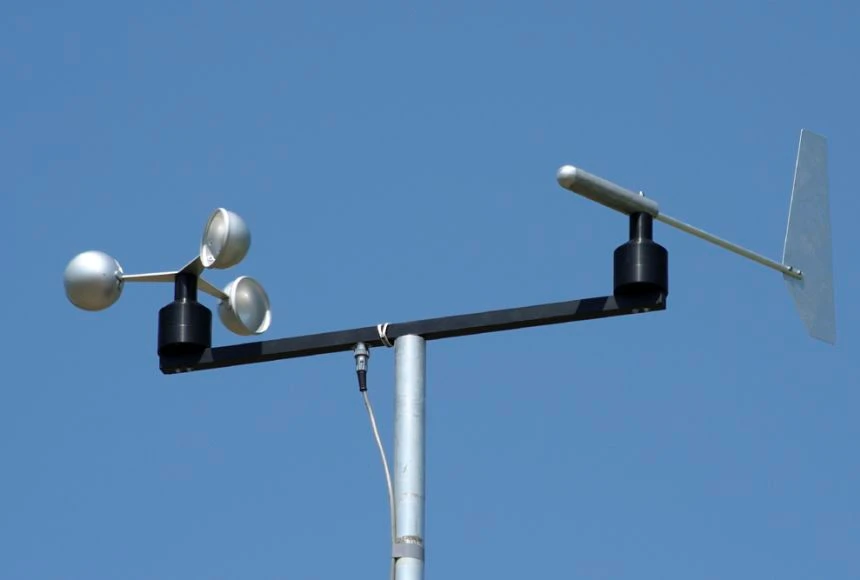
Measuring wind speed and direction is important in many fields. This includes predicting the weather, using renewable energy, planning buildings and roads, and caring for the environment. Here are the main areas that show its value:
Understanding Wind Speed and Direction
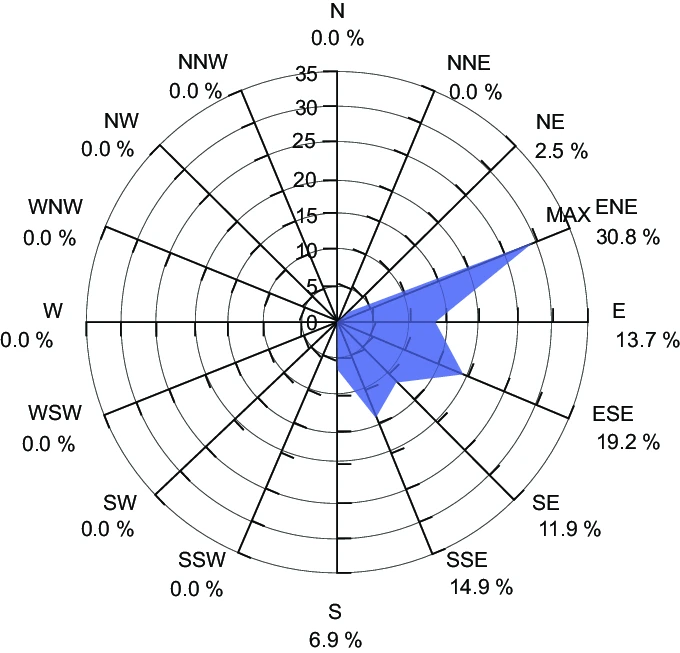
Wind speed and direction are important for understanding how air moves. Wind is the movement of air. It has two main parts: how fast it moves (wind speed) and the direction it goes (wind direction).
A Beginner’s Guide to Noise Sensors: What You Need to Know
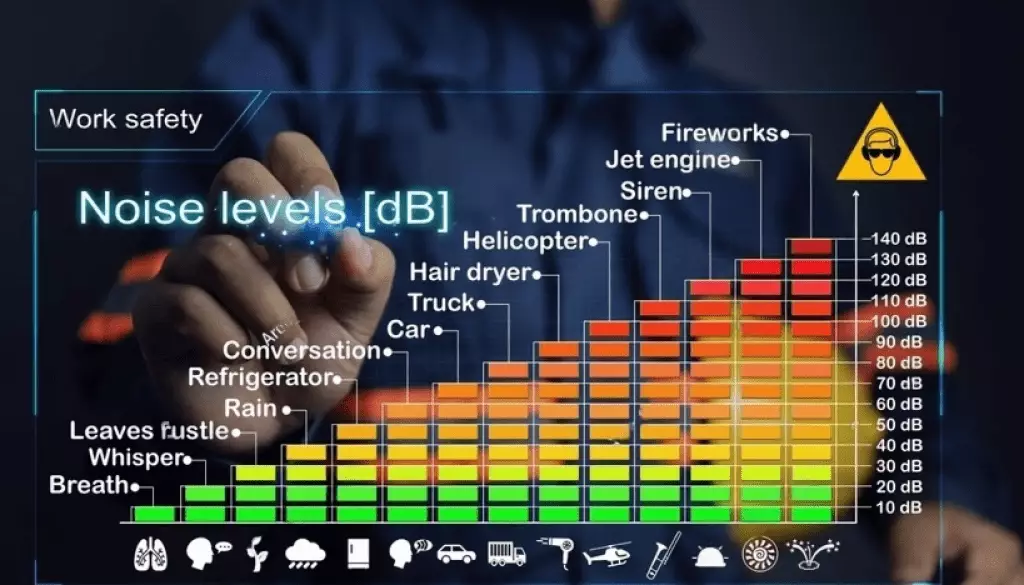
Imagine walking into a home that automatically lowers noise. Or think about being on a factory floor where loud sounds are watched closely to keep workers safe.
Soil Water Types and Their Measurement
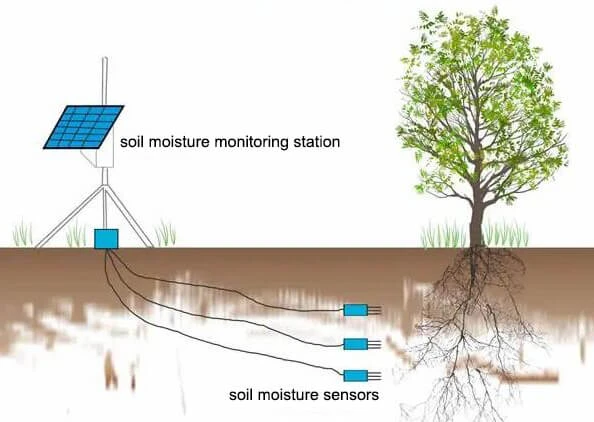
Soil water is all the water found in the soil. This includes water in soil pores and water stuck to soil particles. Water is the main source of hydration for plants. It can be found in three forms: vapor, liquid, and solid.
What is a Greenhouse Remote Monitoring System?
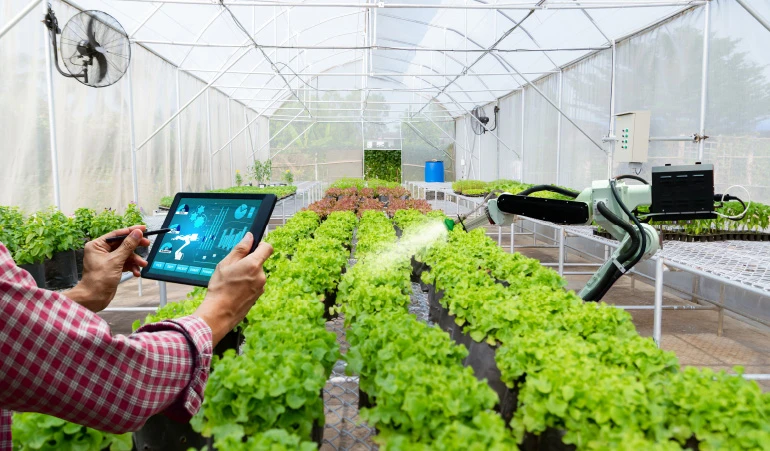
A greenhouse remote monitoring system, or greenhouse control system, uses data about the environment and plants. It helps users manage their farming better.
Causes of High pH Levels in Swimming Pools and Their Importance

Knowing the pH levels of swimming pools is key for keeping water clean. It helps keep swimmers comfortable and makes sure sanitizing chemicals, like chlorine, work well.
10 Types Of Soil Sensors
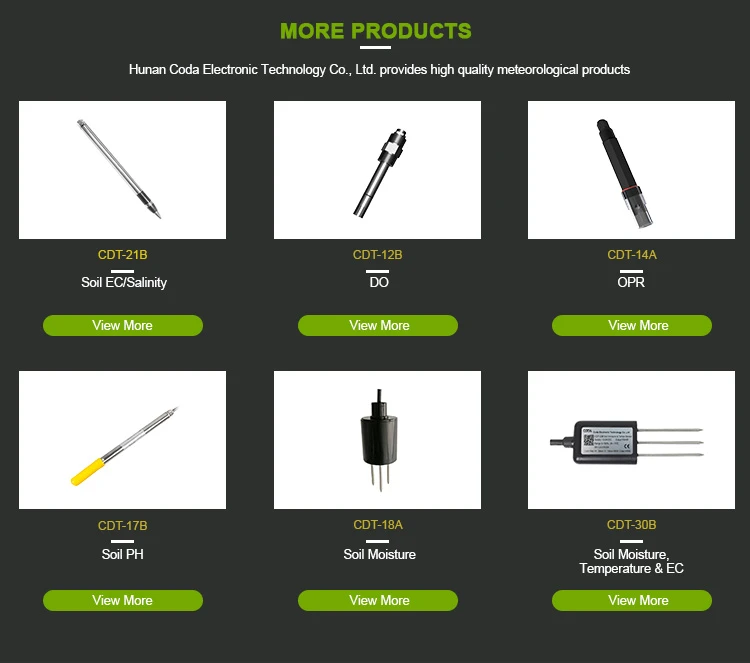
Soil sensors are advanced tools that monitor and check different soil properties in real time. These sensors measure key factors such as temperature, moisture, pH, conductivity, organic matter, and microbial activity.
Difference between pyranometer and pyrheliometer?
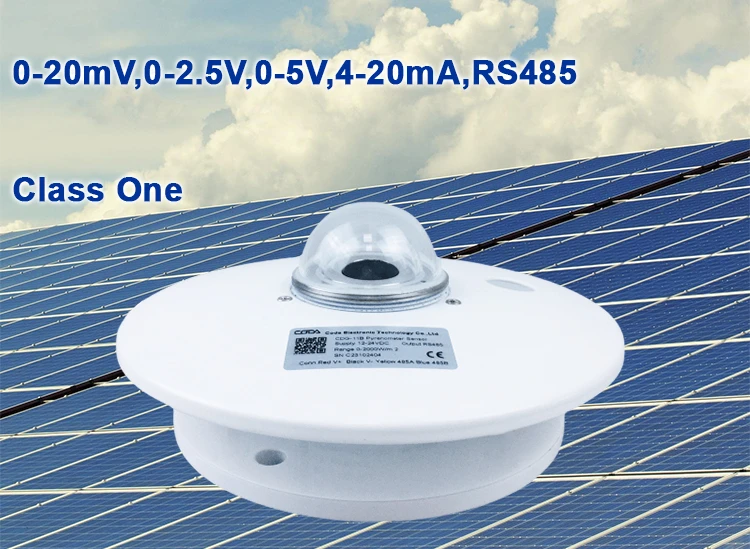
Pyranometers and pyrheliometers are special tools used to measure sunlight. However, they are made for different uses and measure different things.