Solar Radiation: Key Insights and Impacts
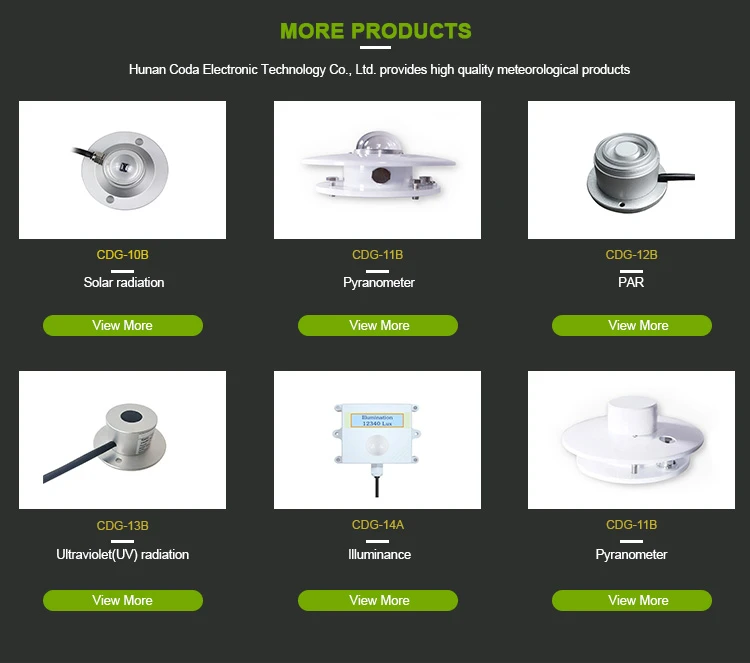
Solar radiation is the energy that the sun sends out as electromagnetic waves. This energy spreads out into space.
High-Tech Tools for Weather Monitoring
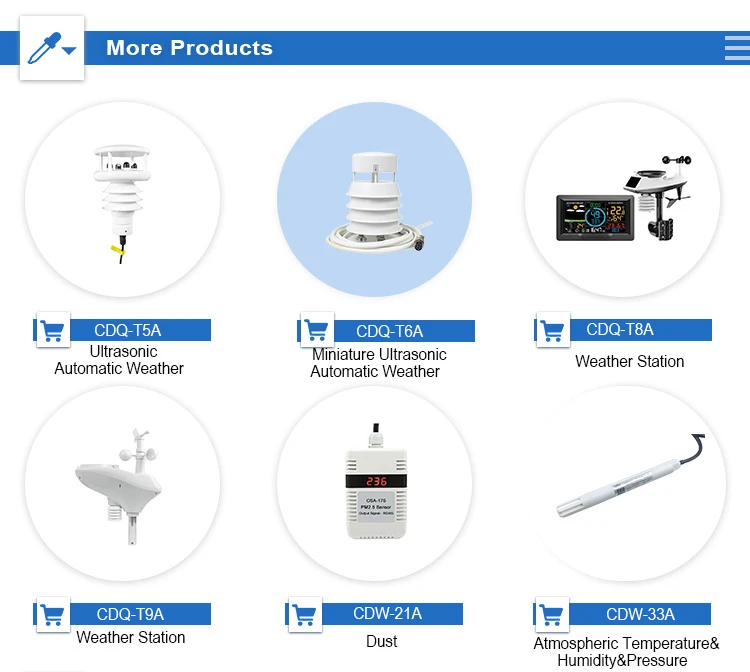
Weather affects many parts of our daily lives. It shapes our travel plans, outdoor activities, and even our moods.
What is a Vibration Sensor?
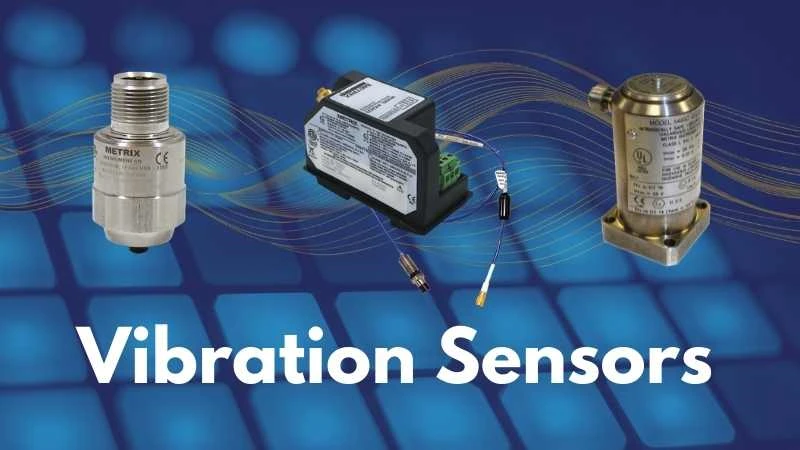
A vibration sensor measures how fast, how often, and how strong mechanical vibrations are. It turns these measurements into signals for analysis.
Anemometer is an important instrument for meteorological measurements
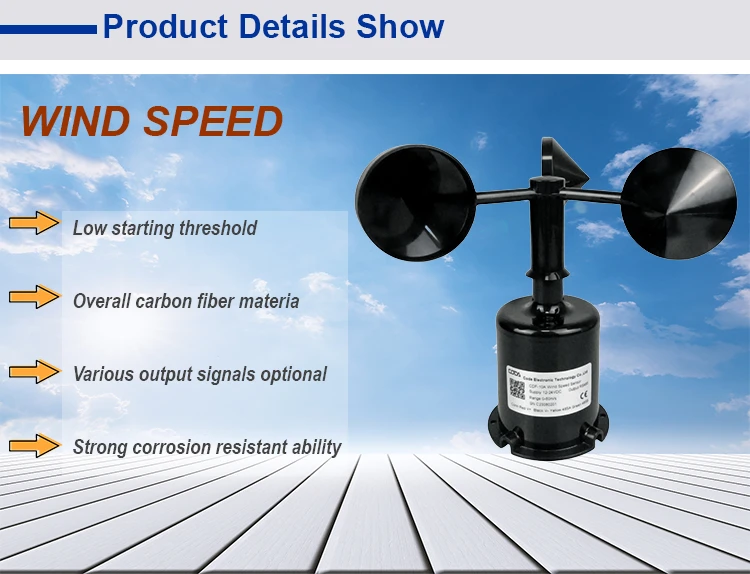
Its main job is to measure wind speed and direction. Anemometers are very important all over the world. They are used to monitor weather, protect the environment, support aviation, aid construction, and more.
What Is PM Sensor and How Does It Work?
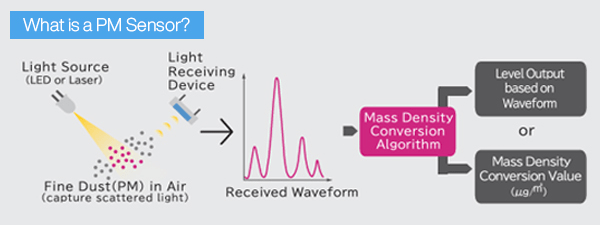
Air quality has a big impact on human health and the environment. Many people do not know about the pollutants that harm it. One major pollutant is particulate matter (PM).
The functioning principles and applications of rain and snow sensors
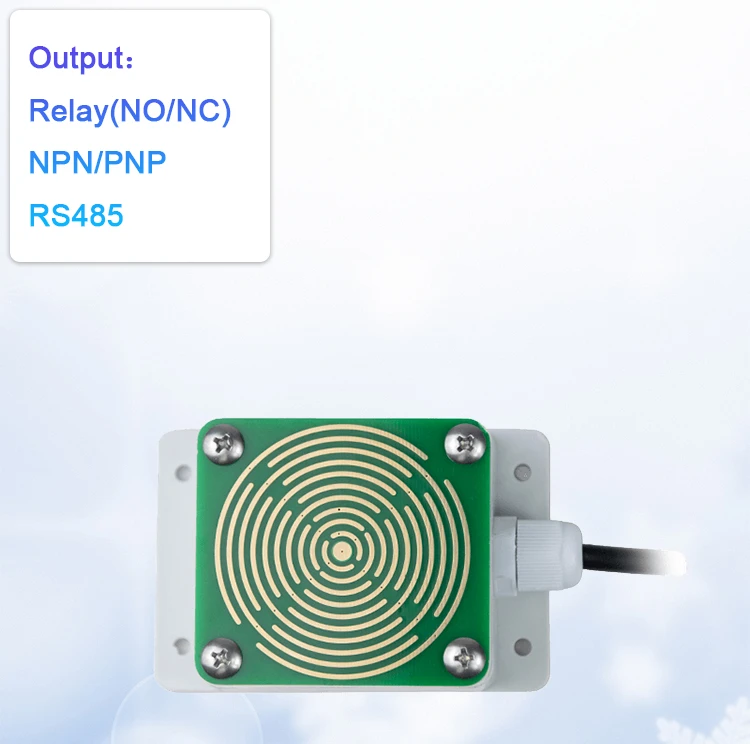
Rain and snow are important forms of natural precipitation. They form due to changes in the atmosphere and are essential for Earth’s water cycle.
Submersible pH Sensors: A Key Component in Modern Wastewater Treatment
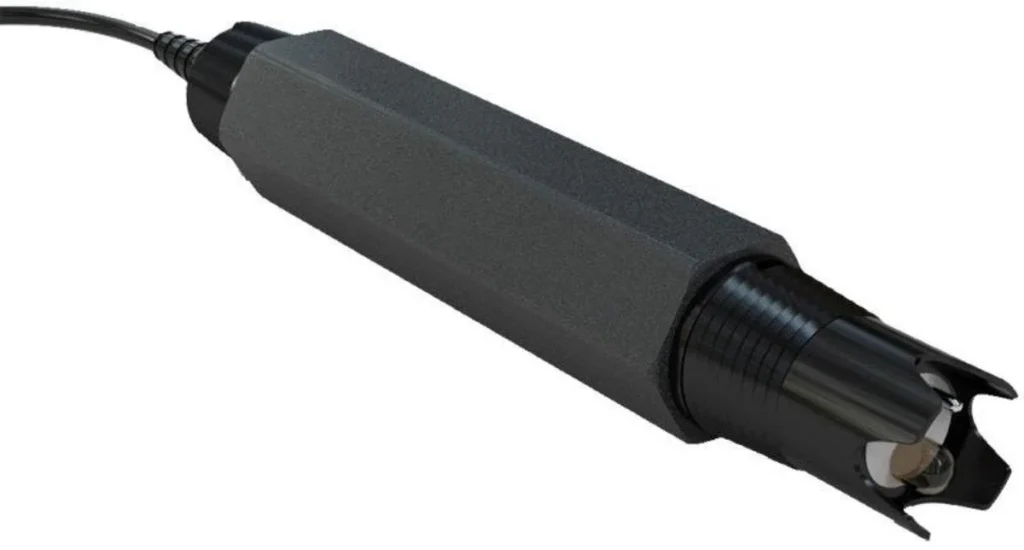
In today’s eco-friendly world, wastewater treatment is more than just cleaning water. It also meets strict rules and environmental standards.
What’s the difference between fog sensor and visibility sensor?
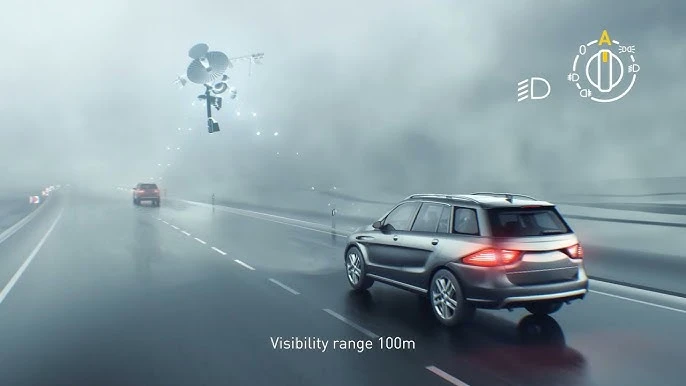
Fog sensors and visibility sensors both check weather conditions. However, they look at different factors and serve different purposes.
Air Quality Sensor – What You Need to Know
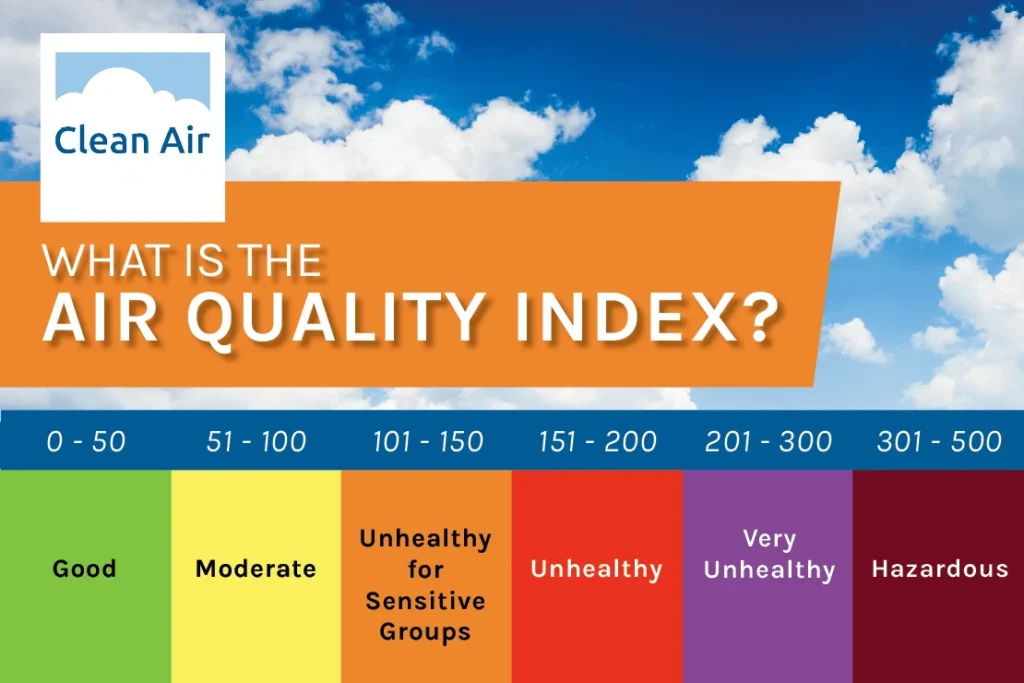
An air quality sensor measures different pollutants in the air. These sensors can track factors like temperature and humidity. They measure gases such as carbon dioxide, carbon monoxide, and ozone.
Wind Speed Sensors vs. Anemometers
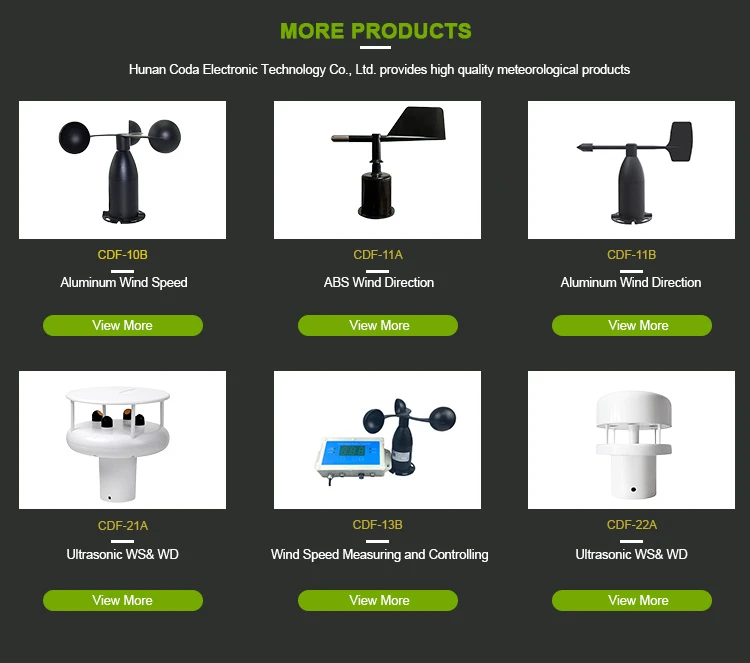
Both wind speed sensors and anemometers measure wind speed, but they have different designs and uses.