





Description
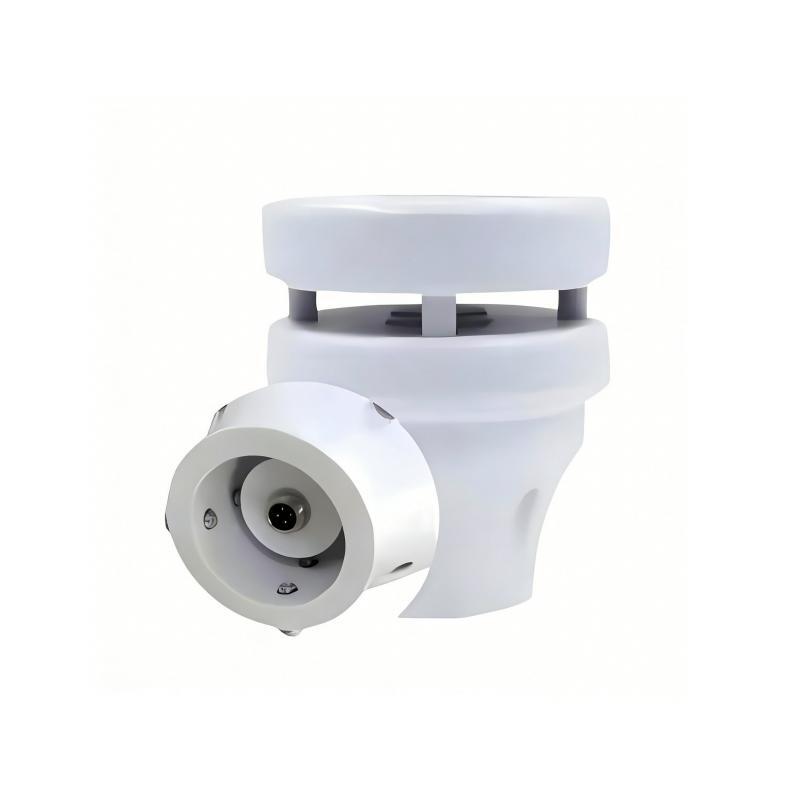
CDF-22B MINI ULTRASONIC WIND SPEED& DIRECTION SENSOR
Overview
Key Features
• No moving parts, effectively avoiding mechanical wear and failure, with a longer service life.
• High measurement accuracy and fast response speed
• Low maintenance cost, no need for frequent cleaning or replacement of vulnerable parts.
• Multiple Output Signals
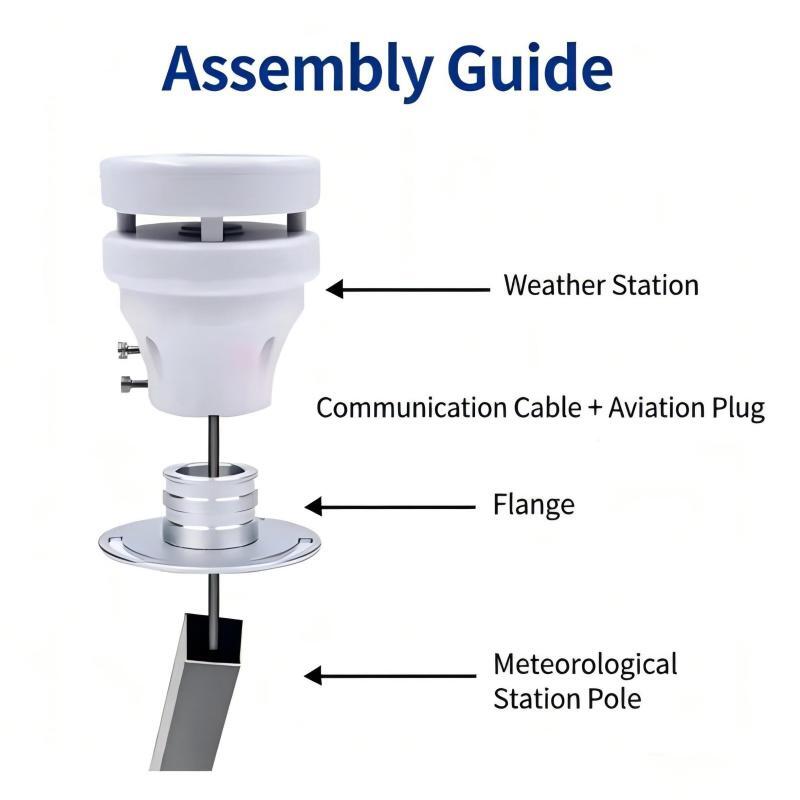
• Compact structure, light weight, easy installation
Select Options
Related Products
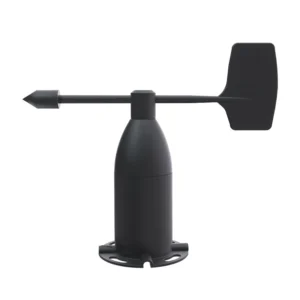
Metal Wind Direction Sensor
High-precision wind direction sensor with durable mttal housing, designed for reliable environmental monitoring in harsh weather conditions.
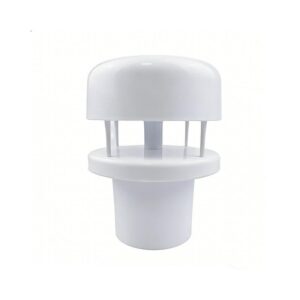
Miniature Ultrasonic Wind Speed And Direction Sensor
This high-performance Miniature Ultrasonic Wind Speed and Direction Sensor is engineered for compact, low-power, and maintenance-free wind monitoring in IoT, weather stations, and industrial applications.
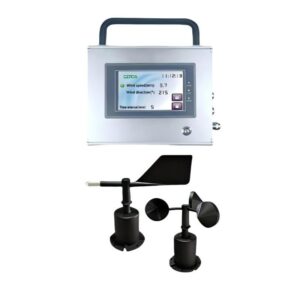
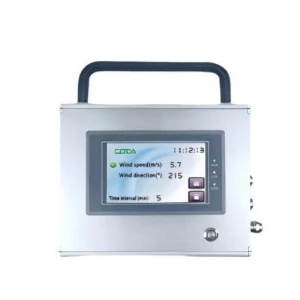
Wind Speed & Direction Display Recorder
This display shows the date, time, wind speed, and direction. We include a large flash memory chip. It can store automatic weather data logging interval for at least three year.
NEWS Application
Maritime Monitoring

Ultrasonic wind speed and direction sensors are widely used in maritime monitoring scenarios, providing accurate, real-time meteorological data for offshore operations, vessel navigation, port management and marine environmental observation.
Photovoltaic Industry
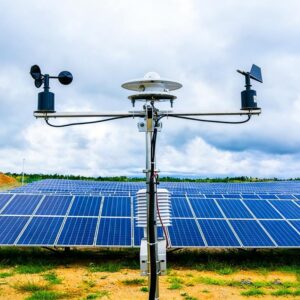
Ultrasonic wind speed and direction sensors are widely applied in maritime monitoring and solar photovoltaic (PV) power generation systems, delivering reliable real-time meteorological data to improve operational safety, efficiency and energy yield.
Environmental Monitoring
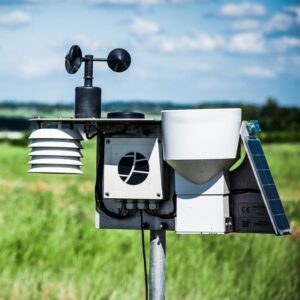
Integrated into urban environmental monitoring networks, industrial IoT systems, and weather stations to support pollution diffusion analysis, microclimate research, and smart city management.