Solar Radiation: A Detailed Overview
The term “solar radiation” often appears in weather forecasts. It is common in talks about the UV index. The UV index measures UV radiation from the sun. Tracking UV radiation matters, because too much exposure can cause sunburn and raise the risk of skin cancer.
However, it’s worth noting that UV rays are just one of several types of solar radiation impacting our environment.
Understanding Solar Radiation
Solar radiation comes from the sun, a huge nuclear reactor that gives off heat, light, and other energy. This radiation includes infrared light, visible light, ultraviolet (UV) rays, and other wavelengths. Unlike land-based radiation sources like uranium or cobalt, solar radiation is natural. It is essential for life and many uses.
Why Is Solar Radiation Significant?
Monitoring solar radiation is vital in many sectors. Tracking UV radiation helps protect human health. It helps people make informed choices about outdoor activities and sun exposure.
In renewable energy, solar radiation data helps improve systems like solar panels. Other fields that use this data include agriculture, astronomy, photobiology, and material production. This is key for industries worried about UV damage. Accurate measurements are key for research and efficiency in these areas.
Tools for Measuring Solar Radiation
Advanced weather stations, like the Davis Vantage Pro2 Plus, include built-in tools to track solar radiation well. These stations have a solar radiation sensor and a UV sensor. These sensors can also add to Vantage Pro2 sensor suites.
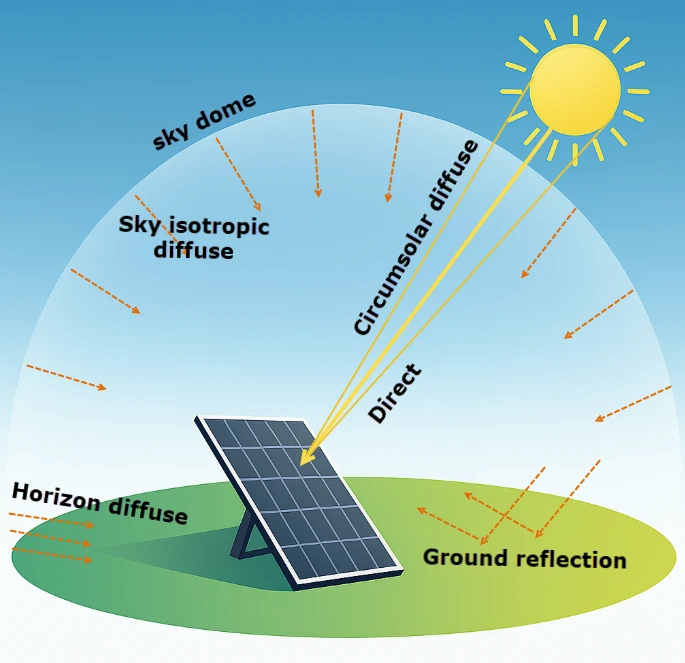
The Solar Radiation sensor measures sunlight intensity on a horizontal surface. It includes direct sunlight and reflected light from the surroundings. These measurements are in watts per square meter (W/m²). They provide useful insights into solar irradiance at any given time.
Moreover, they generate additional data such as evapotranspiration (ET)—critical for agricultural purposes—and the temperature/humidity/sun/wind (THSW) index, which offers a more comprehensive heat index by factoring in wind, humidity, and sunlight levels.
On the other hand, the UV sensor is designed to measure ultraviolet radiation. It uses two common scales: MEDs (Minimal Erythemal Doses) and the UV Index. Both help monitor exposure risks.
UV sensors are used by many industries. They support human and animal health. They are also used in warehouses and factories. These sites make items that can break down under UV light.
These sensors measure direct and scattered UV light. They show dose rate, daily dose, total dose, and UV index for detailed analysis.
Precision and Reliability
Davis Instruments’ commitment to innovation shows in 50+ years of engineering experience, producing reliable, accurate sensors that withstand many environmental conditions. Their products are trusted tools for industries and researchers worldwide. They rely on precise solar radiation data for health monitoring, sustainable development, and environmental studies.
Understanding solar radiation and how we measure it gives us useful insights. It helps protect health, improve technology, and support sustainable practices in many fields.