Weather Station Sensors: Understanding Their Functions
Introduction to Weather Stations and Their Role
Weather station sensors are useful tools. They help us watch and forecast the weather. They provide important data that helps with decision-making in many areas. This helps people, businesses, and governments.
At the heart of these weather stations are special sensors. They check different weather conditions. These sensors are essential parts.
They make sure the data collected is correct and trustworthy. This article looks at the functions, types, and improvements of weather station sensors.
Understanding Weather Station Sensors: A Detailed Overview
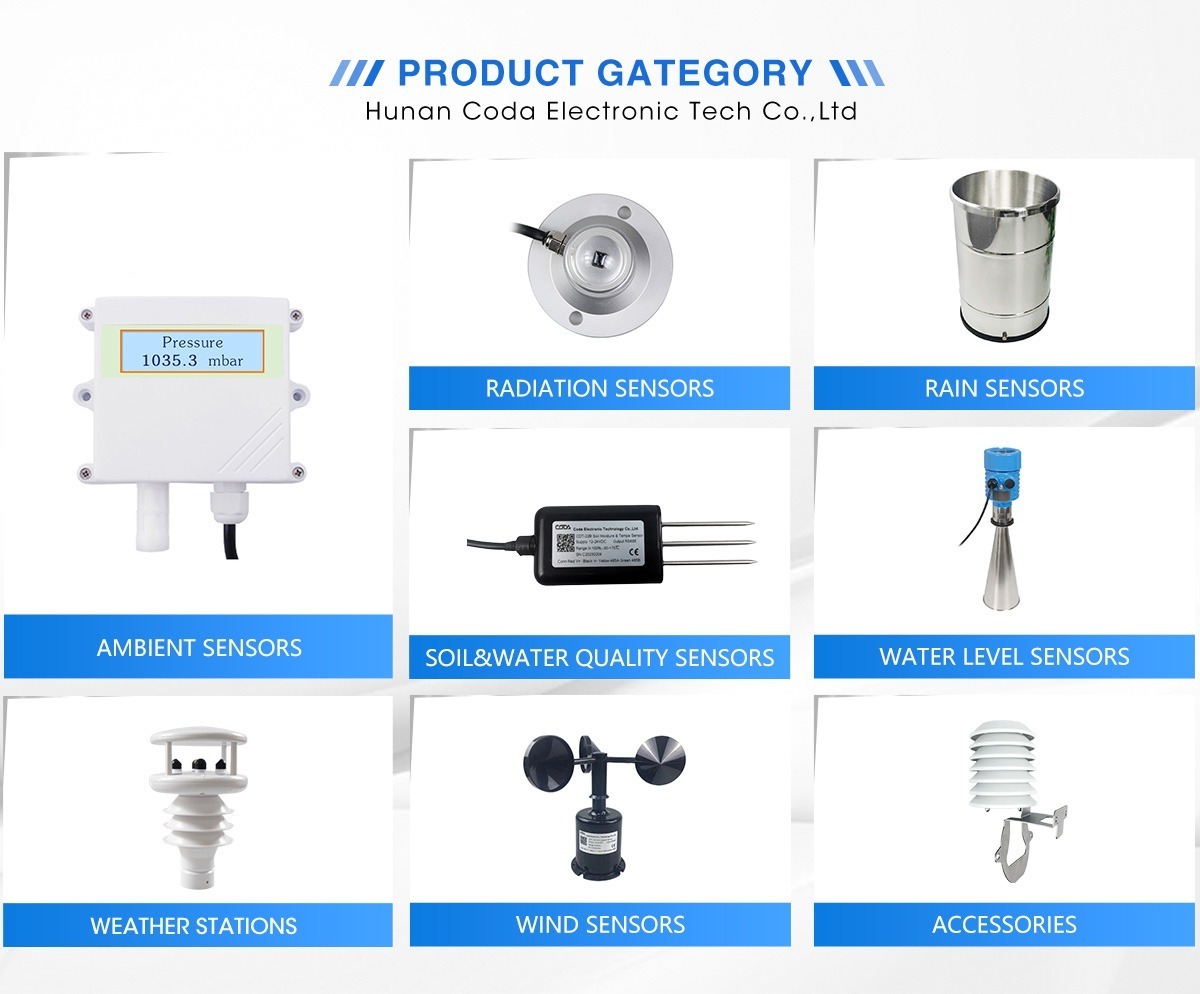
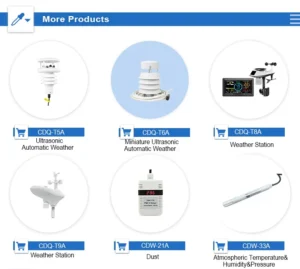
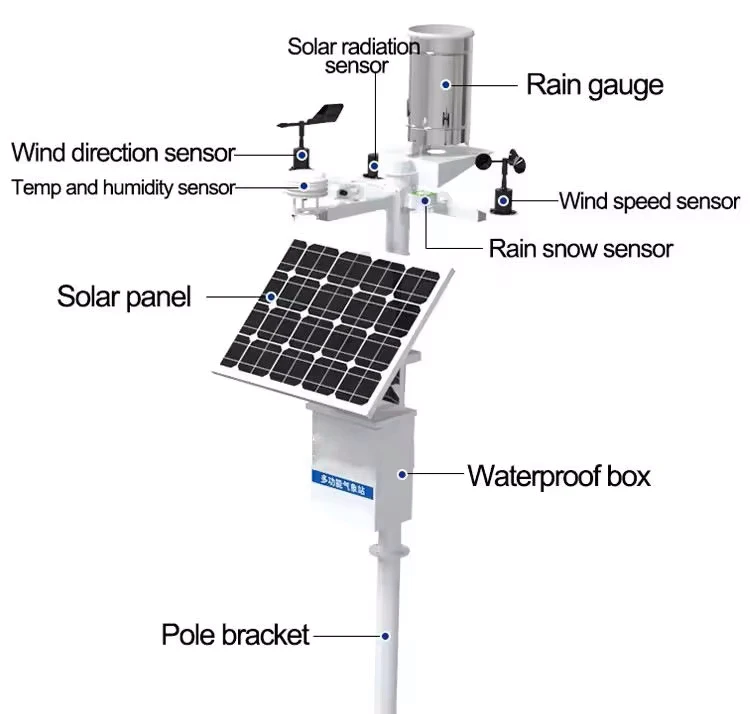
Weather station sensors are made to track various weather factors. These include temperature, humidity, pressure, wind speed, and rainfall. These sensors are placed at weather station sites.
They give correct information about the local weather. Their combined work helps gather important data. This data supports weather analysis, forecasts, and other key uses.
Importance of Accurate and Reliable Weather Station Data
Precision in weather station data is crucial for sectors like meteorology, agriculture, transport, and environmental research. The accuracy of sensor measurements gives a clear view of atmospheric conditions.
Reliable data is essential for better weather predictions. It also helps us learn about climate patterns. This information helps us make good choices about safety, planning, and how we use resources.
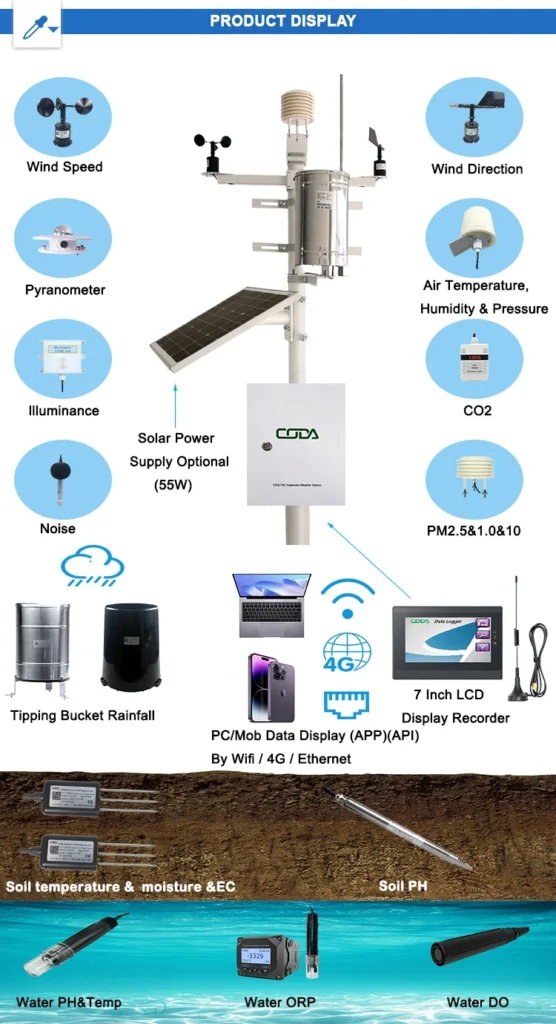
Types of Weather Station Sensors and Their Functions
1. Temperature Sensor:
Temperature readings form the cornerstone of weather analysis. These sensors use tools such as thermistors, thermocouples, or resistance temperature detectors (RTDs). They give very accurate air temperature measurements.
2. Humidity Sensor:
Humidity sensors check how much moisture is in the air. They provide important data for weather forecasts, farming, and climate control. These sensors often measure humidity levels correctly. They do this by using capacitance, resistance, or heat flow.
3. Barometric Pressure Sensor:
Also known as atmospheric pressure sensors, these devices measure changes in air pressure. They play a key role in spotting high- and low-pressure systems. This helps weather experts predict storms and other important weather changes correctly.
4. Anemometer:
Anemometers measure how fast the wind blows and which way it goes. They use different technologies, such as cups, propellers, and ultrasonic methods.
Accurate wind data is crucial for keeping aviation safe. It is also key for renewable energy projects with wind turbines. It also helps with studies on environmental impacts.
5. Rain Gauge:
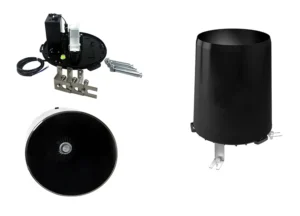
Rain gauges measure how much rain or snow falls over certain time periods. Tipping bucket rain gauges are popular because they work well. Data from rain gauges helps stop floods, plan for farm watering, and study rainfall patterns.
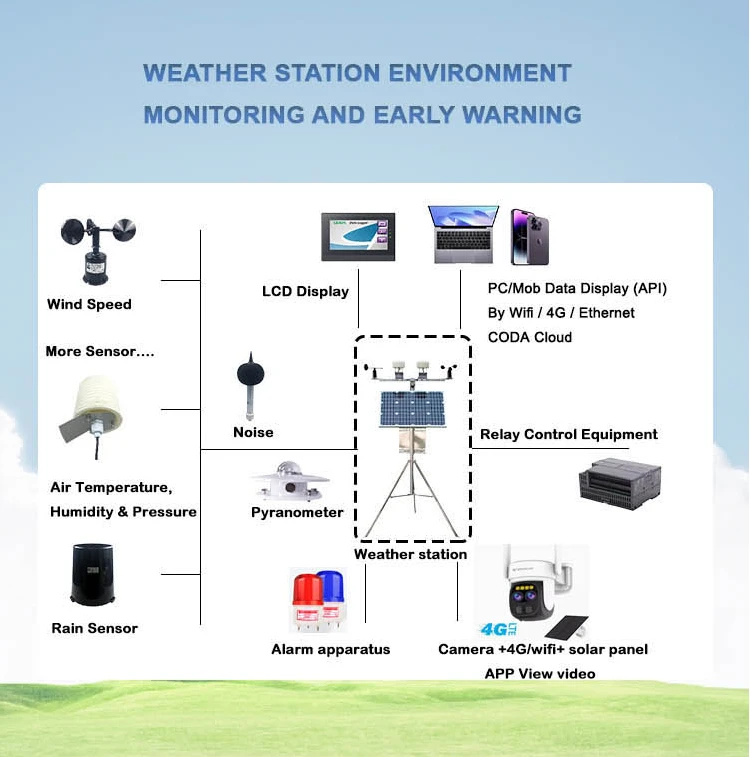
Enhancing Weather Monitoring with Advanced Sensor Technology
Technology has changed how we watch the weather a lot. New sensor technologies make them more accurate, reliable, and efficient. Key developments in this field include:
1. **High-Precision Temperature Sensors**:
New digital temperature sensors are used in modern weather stations.
They give accurate and real-time temperature readings. These sensors do not need manual calibration.
They also make it easier to send data. This helps us analyze things quickly and easily. This leads to taking action on time.
2. **Wireless Humidity Sensors**:
Wireless humidity sensors are more flexible and easier to install than traditional wired ones. These sensors can send messages through radio signals. You can watch many places at the same time. This broadens coverage and makes things more convenient.
3. **Advanced Barometric Pressure Sensors**:
Digital barometric pressure sensors are more accurate and stable than older analog systems. They can track atmospheric pressure in real-time. This helps predict changes in the weather. It also gives timely warnings for bad weather.
4. **Ultrasonic Wind Sensors**:
Ultrasonic anemometers use sound waves to measure wind direction and speed. They solve problems found in traditional mechanical systems, like wear and tear. These sensors are reliable and built to last. They need very little maintenance, which helps them work well all the time.
5. **Optical Rain Gauges**:
Optical rain gauges use infrared technology. They take the place of old tipping bucket designs. These gauges measure how much it rains and how long the rain lasts.
This system helps to reduce clogging issues. It also gives higher quality data for more accurate rainfall measurements.
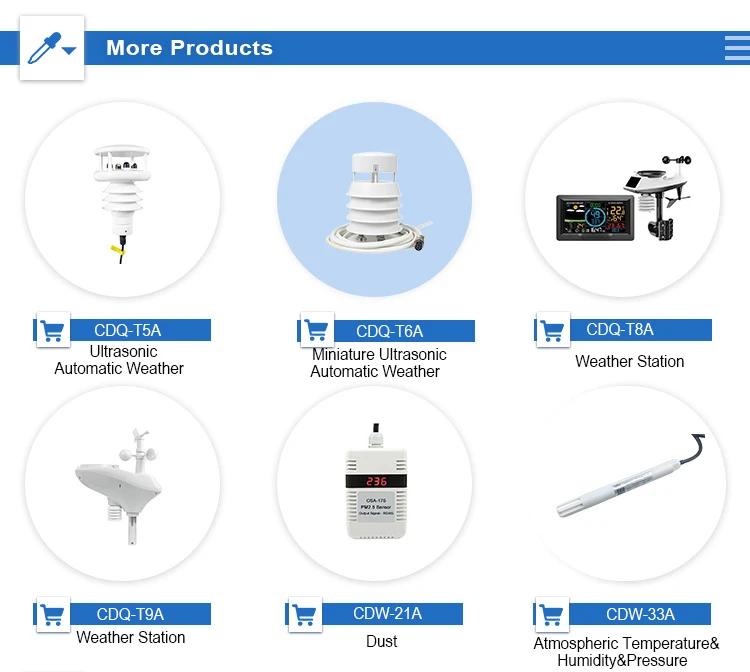
conclusion
In summary, advanced weather sensors are important for collecting accurate data. They help us watch, study, and forecast weather patterns.
Their improved performance helps in many areas, such as weather forecasting, farming, transportation, and city planning. New sensor technology helps make weather forecasts more accurate. It also helps with smart decisions by using real-time weather information.
At Hunan Coda Electronic Tech Co., Ltd., we believe businesses can combine both numbers and insights. This helps them find and reduce risks effectively.
For expert help and high-quality products in environmental monitoring systems, visit our website, Coda Sensors. Explore a range of OEM sensor solutions designed to enhance environmental management practices. Start your journey to better weather monitoring today. Contact us to learn how we can help you!