Meteorological Data Loggers are essential tools for accurately measuring and recording weather conditions in various environments.
Introduction: Why the Weather Matters More Than Ever
Picture this: a sudden storm hits your town. Streets flood, and supply chains break down. Or imagine a farmer who misses the best time to plant. He did not know the soil moisture trend over the past week.
In both cases, real‑time, accurate weather data could have changed the outcome. That’s where a meteorological data logger helps. It records weather conditions 24/7 and turns raw data into useful insights.
In the age of climate change, precision agriculture, and smart cities, the demand for reliable weather monitoring is skyrocketing. Whether you’re a meteorologist, an environmental researcher, or a hobbyist building your own IoT weather station, understanding the nuts and bolts of a data logger is essential.
This guide explains what a meteorological data logger is. It covers its core components and real-world uses. It also shows how to choose the right one. You will learn how to keep it running well. Let’s dive in!
1. What Exactly Is a Meteorological Data Logger?
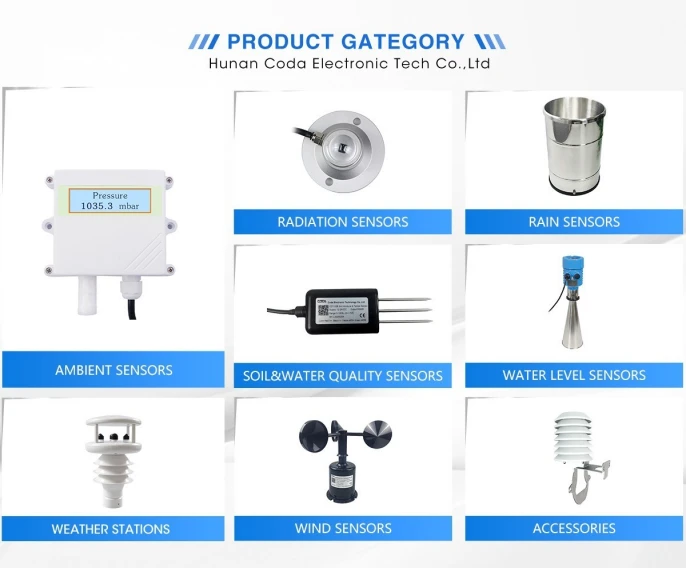
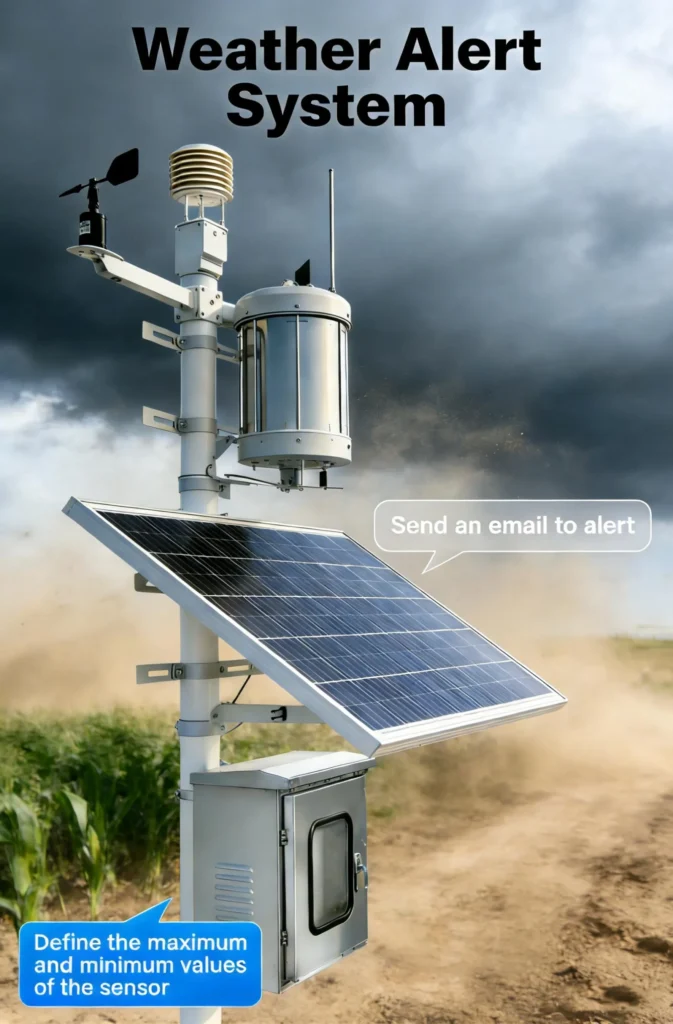
A meteorological data logger is a special instrument. It records weather data over time. It measures temperature, humidity, wind speed, rain, air pressure, solar radiation, and more.
Think of it as a personal diary for the atmosphere. But instead of words, it records numbers that scientists and businesses can study.
Key Features to Know
| Feature | Why It Matters |
Multi‑sensor capability | Captures a suite of variables in one package.
Data storage & transfer | On‑board memory or cloud sync for real‑time access.
Power options | Solar, battery, or mains—critical for remote sites.
Durability | Weather‑proof housing ensures longevity.
Calibration options | Keeps measurements accurate over time.
A well-designed data logger is more than a sensor. It helps with predictive modeling, early warnings, and sustainable resource management.
—
2. Inside the Logger: How Sensors Turn Air Into Numbers
Understanding the inner workings of a meteorological data logger helps you troubleshoot, calibrate, and even customize your setup. Here’s a breakdown of the main sensor types and how they feed data into the logger.
2.1 Temperature & Humidity Sensors
- Thermistors & RTDs: Offer high precision for temperature. RTDs (Resistance Temperature Detectors) are robust in harsh environments.
- Capacitive Humidity Sensors: Measure moisture content by detecting changes in dielectric constant.
2.2 Wind Speed & Direction
- Anemometers: Cup or vane designs capture wind speed, while wind vanes determine direction.
- Ultrasonic Anemometers: Provide high‑resolution data without moving parts—ideal for low‑maintenance sites.
2.3 Precipitation Gauges
- Tipping Bucket: Records rainfall by tipping a bucket when a certain volume accumulates.
- Weighing Sensors: Detect precipitation mass directly, offering higher accuracy for heavy rain events.
2.4 Atmospheric Pressure & Solar Radiation
- Barometers: Use strain gauges or capacitive sensors to gauge pressure changes, critical for forecasting.
- Pyranometers: Measure solar radiation, essential for solar energy projects and crop growth studies.
2.5 Data Acquisition & Processing
- Microcontroller: Reads sensor outputs, applies calibration curves, and timestamps each reading.
- Data Logging Firmware: Stores data locally (SD card, internal flash) and can transmit via Wi‑Fi, LoRa, or cellular.
- Power Management: Low‑power modes and sleep cycles extend battery life, especially in remote locations.
Knowing these parts helps you judge if a logger meets your data needs. You may need very high detail for research. Or you may need strong, long-term monitoring for farming.
3. Real‑World Applications: From Farms to Forecasts
The versatility of meteorological data loggers is one of their biggest strengths. Below are some of the most impactful use cases.
3.1 Precision Agriculture
- Soil Moisture Correlation: By pairing a weather logger with soil moisture probes, farmers can fine‑tune irrigation schedules, saving water and boosting yields.
- Crop Stress Monitoring: Temperature and humidity trends help predict heat or fungal stress, allowing early intervention.
3.2 Climate Research & Modeling
- Long‑Term Climate Trends: Continuous data over decades feed into climate models, helping scientists track warming, precipitation shifts, and extreme events.
- Microclimate Studies: Urban heat island analyses rely on dense sensor networks to map temperature variations across a city.
3.3 Disaster Preparedness
- Early Warning Systems: Real‑time wind and rainfall data can trigger alerts for severe weather, enabling faster evacuation and resource deployment.
- Flood Forecasting: Precipitation and river level loggers work together to predict flash floods with minutes of lead time.
3.4 Renewable Energy Optimization
- Solar Farm Management: Solar radiation data informs optimal panel tilt and predicts output variations.
- Wind Farm Placement: Wind speed logs guide turbine siting, maximizing energy capture while minimizing maintenance costs.
3.5 Building & Energy Efficiency
- Smart HVAC: Outdoor temperature and humidity data adjust indoor climate controls, reducing energy consumption.
- Energy Audits: Historical weather data help benchmark building performance against climate variability.
These examples illustrate that a meteorological data logger is not just a gadget; it’s a strategic tool that drives decision‑making across industries.
—
4. Choosing the Right Logger: What to Look For
With so many models on the market, picking the right meteorological data logger can feel overwhelming. Focus on these critical factors to narrow your choices.
4.1 Sensor Suite and Accuracy
- Coverage: Does the logger capture all the variables you need? Some models focus only on temperature and humidity, while others include wind, precipitation, and radiation.
- Precision: Check the sensor accuracy specifications—±0.2 °C for temperature is typical for high‑end loggers.
4.2 Data Storage & Transfer Options
- On‑board Storage: Essential for remote sites with no network connectivity.
- Connectivity: Wi‑Fi, cellular, LoRa, or satellite—pick based on your site’s infrastructure.
- Cloud Integration: Many loggers come with APIs or dashboards for real‑time monitoring.
4.3 Power Supply and Endurance
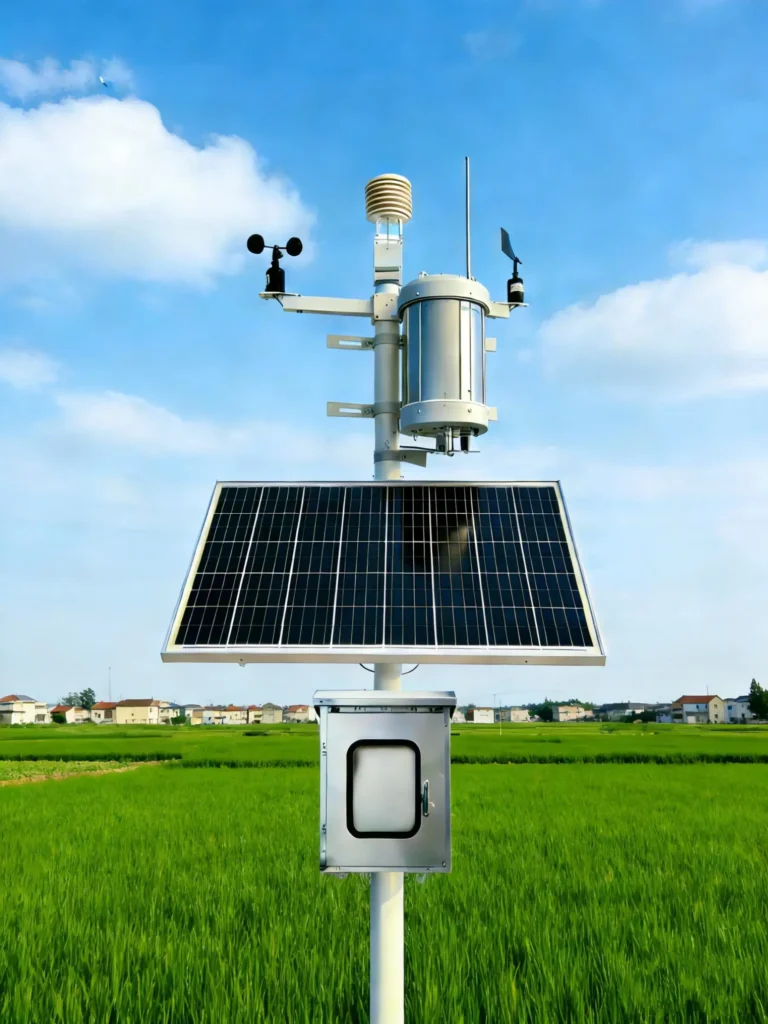
- Solar‑Powered: Ideal for off‑grid installations; ensure the panel size matches your power draw.
- Battery Life: Look for low‑power modes and replaceable batteries. Some loggers can run for months on a single charge.
- Mains‑Powered: Best for permanent installations where power is stable.
4.4 Environmental Durability
- IP Rating: An IP66 or higher rating guarantees protection against dust and water jets—crucial for outdoor use.
- Temperature Range: Ensure the logger can operate in your local climate extremes (e.g., -40 °C to +60 °C).
4.5 Calibration & Maintenance
- Ease of Calibration: Some loggers allow in‑field calibration via software; others require lab tools.
- Maintenance Schedule: Check how often sensors need cleaning or replacement, especially rain gauges and anemometers.
4.6 Cost vs. ROI
- Initial Investment: High‑end loggers cost more but often deliver higher data quality and lower maintenance.
- Long‑Term Savings: Consider how the data will reduce operational costs—e.g., water savings in agriculture or energy savings in buildings.
By evaluating these factors, you can align your budget with your data requirements, ensuring a logger that delivers both accuracy and longevity.
—
5. Setting Up and Maintaining Your Logger: A Step‑by‑Step Checklist
Once you’ve chosen a logger, the next step is installation and ongoing care. Follow this checklist to get the most out of your investment.
| 1. Site Selection | Choose a location with minimal shading, wind obstructions, and electromagnetic interference. | For wind speed, keep the logger at least 10 m above ground. |
| 2. Mounting | Secure the housing on a stable pole or mast, ensuring sensors are exposed. | Use vibration‑damping mounts to reduce sensor noise. |
| 3. Wiring & Power | Connect sensors, power supply, and data storage modules. | Double‑check polarity and use weather‑sealed connectors. |
| 4. Calibration | Perform initial calibration per manufacturer’s instructions. | Document calibration settings for future reference. |
| 5. Data Configuration | Set logging intervals (e.g., every 5 min), data format, and transfer schedule. | Shorter intervals capture more detail but consume more storage. |
| 6. Cloud Sync | Set up Wi‑Fi or cellular credentials and test data upload. | Verify timestamps match local time zone. |
| 7. Routine Maintenance | Clean rain gauges and wind vanes monthly; check battery health quarterly. | Use a soft brush and avoid harsh chemicals. |
| 8. Firmware Updates | Keep firmware up to date to patch bugs and improve performance. | Schedule updates during low‑weather periods to avoid data loss. |
| 9. Data Backup | Export data to a local drive or cloud backup nightly. | Maintain an off‑site backup for disaster recovery. |
| 10. Monitoring & Alerts | Configure threshold alerts (e.g., wind > 30 m/s) to trigger notifications. | Integrate with SMS or email services for instant alerts. |
Adhering to this checklist not only ensures data integrity but also extends the life of your meteorological data logger.
—
Conclusion: Takeaway Highlights
| Takeaway | Why It Matters |
A data logger is a silent but powerful ally | It turns raw atmospheric data into actionable insights. |
Sensor quality drives data reliability | Accurate sensors reduce error margins and improve decision‑making. |
Choose based on your application, not just price | A high‑end logger may pay for itself through savings and efficiency. |
Installation and maintenance are key | Proper setup and routine care keep your logger accurate and durable. |
Data is only useful if you can act on it | Integrate logs with dashboards, alerts, and predictive models. |
Whether you are monitoring a remote research site, a meteorological data logger is a key tool.
It can also help you improve a farm’s irrigation schedule.
It can also support a smart city’s weather system. And it captures real-time atmospheric data. Equip yourself with the right hardware. Set it up correctly. Watch your data turn into a competitive advantage.
Happy logging, and may your weather data always be on point!