The Influence of Temperature and Humidity on the Health of Indoor Plants
In recent years, indoor gardening has gained a lot of popularity. People want to improve their homes with the calming feel of nature. From simple houseplants to detailed indoor gardens, these green additions add beauty and calm to homes. To keep them healthy, we need to copy some parts of their natural environment. Temperature and humidity are key factors that affect the health and growth of indoor plants. Knowing how they impact plants can help gardeners create the best conditions for growth.
Understanding the Importance of Temperature in Indoor Gardening
Temperature has a big impact on the health and growth of indoor plants. Most plants like daytime temperatures between 65 and 75 degrees Fahrenheit. They do better with cooler conditions at night.
Sudden changes from hot to cold can stress plants. This can cause leaves to change color, wilt, or even die.
The Connection Between Temperature and Photosynthesis
Photosynthesis is important for plant growth. It is the process where light energy turns into chemical energy. This process depends a lot on temperature.
Warm temperatures often make photosynthesis faster. This helps plants grow better. However, too much heat can harm important enzymes. This can slow down photosynthesis and growth.
Cooler temperatures slow down photosynthesis. This can hinder a plant’s growth. To grow healthy, it is important to keep the right temperature. This helps photosynthesis work better.
Humidity’s Role in Supporting Healthy Indoor Plants
Humidity levels are also very important for the health of indoor plants, just like temperature. In indoor spaces, heating or air conditioning can make the air dry. Low humidity can cause plants to lose moisture through transpiration. This causes symptoms like yellow leaves, wilting, and a higher chance of pest problems.
Striking the Right Balance: Optimal Temperature and Humidity
To create good growing conditions, indoor gardeners need to balance temperature and humidity well. Most indoor plants grow best in temperatures between 65 and 75 degrees Fahrenheit.
They also prefer humidity levels of 40% to 60%. It can be hard to keep this balance in areas with changing climates. You can mist plants, group them together, or use humidifiers. These methods can help achieve the right humidity levels.
The Effect of Temperature and Humidity on Plant Health
These environmental factors affect growth and also how plants resist pests and diseases. High humidity and warm temperatures can help fungal and bacterial infections spread. This includes issues like powdery mildew and root rot.
Low humidity helps pests that do well in dry places. Keeping a steady balance of temperature and humidity helps plants stay healthy. It also reduces the risk of disease.

conclusion
In summary, temperature and humidity are very important for healthy and strong indoor plants. Making their living conditions like their natural homes and giving regular care helps them live longer. Indoor gardeners can care for their plants by watching them closely and using smart strategies. They can also make their spaces into green retreats.
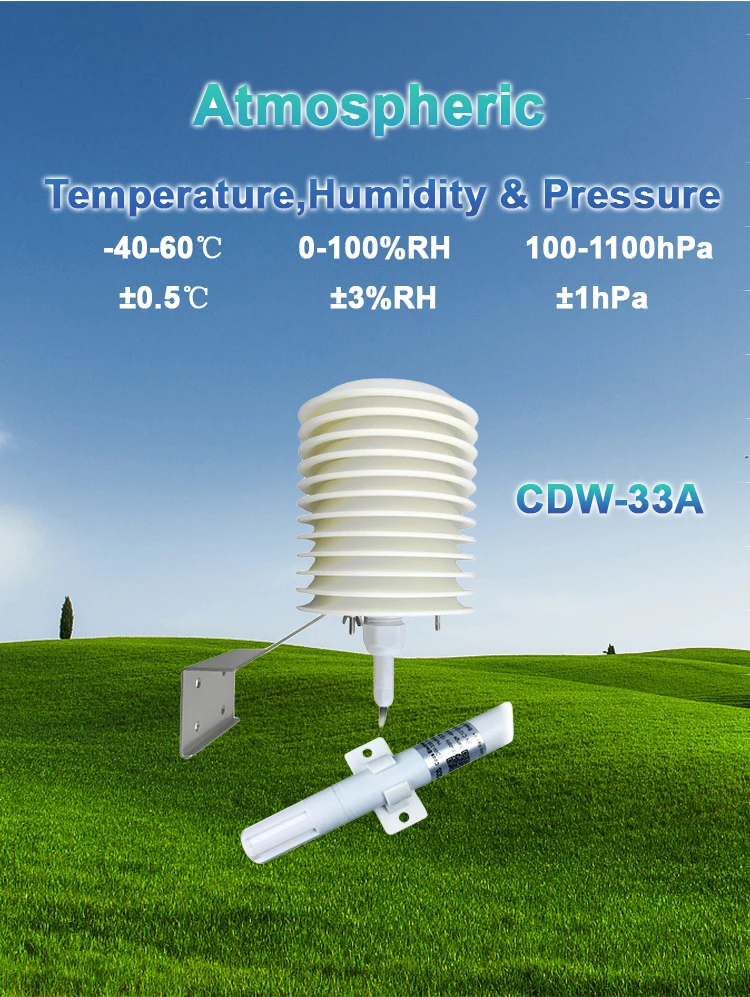
Additionally, if you’re seeking precision tools for specialized needs such as sensors or control systems, Hunan Coda Electronic Tech Co., Ltd provides great administrative services and management skills. Their skilled team can help you make good technology choices. To learn more about custom solutions, reach out to Coda Sensors to begin.
Building consistent experiences helps create trust and loyalty. Building scalable systems can enhance sensor solutions and make it easy to adjust to your changing needs.