Introduction: Why the Skies Matter More Than Ever
Imagine standing outside on a crisp morning, and a handheld device instantly tells you the exact concentration of pollutants, humidity levels, and even the likelihood of a sudden storm. That’s the power of an atmospheric environment detector—compact, data‑rich sensors that are turning raw atmospheric data into actionable insights. As climate change accelerates and air quality becomes a public health priority, these detectors are moving from niche research tools to everyday essentials for governments, businesses, and even hobbyists. In this post, we’ll dive deep into what atmospheric environment detectors are, how they work, and why they’re becoming indispensable in the fight against environmental uncertainty.
1. What Is an Atmospheric Environment Detector?
A Quick Overview
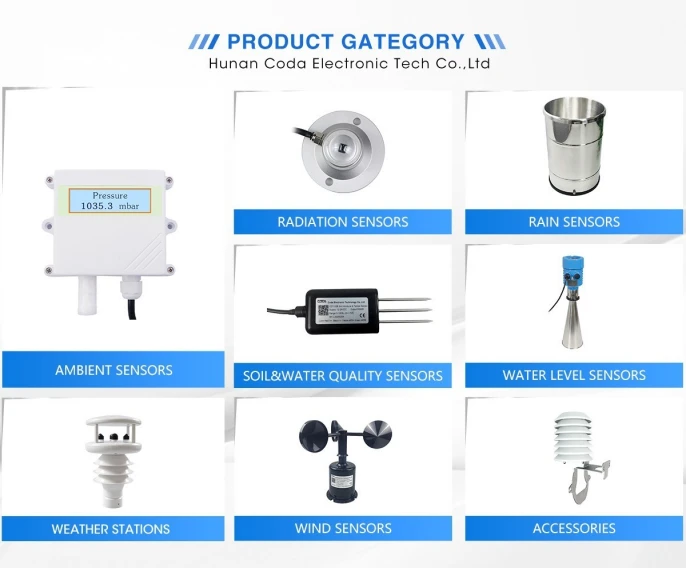
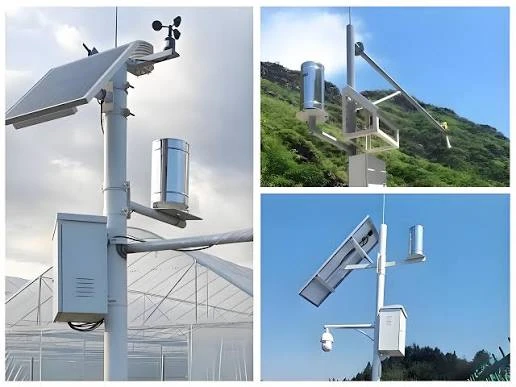
An atmospheric environment detector (AED) is a sophisticated sensor system designed to capture a wide array of atmospheric parameters—temperature, pressure, humidity, particulate matter (PM2.5/PM10), volatile organic compounds (VOCs), ozone, nitrogen oxides, and more. Unlike traditional weather stations that focus mainly on macro‑weather variables, AEDs provide micro‑level, high‑resolution data that can be integrated into larger environmental monitoring networks.
The Core Value Proposition
- Real‑time data: Immediate feedback for decision‑makers.
- High precision: Sub‑milligram accuracy for pollutants.
- Scalability: From single‑point installations to city‑wide sensor grids.
- Data integration: Seamless connectivity with cloud platforms and GIS tools.
—
2. Key Components & Technologies Behind AEDs
2.1 Sensor Arrays
| Parameter | Typical Sensor Type | Accuracy |
|———–|——————–|———-|
| Temperature | Platinum RTD | ±0.1 °C |
| Humidity | Capacitive RH | ±2 % RH |
| Particulate Matter | Optical scattering | ±5 µg/m³ |
| Ozone | Electrochemical | ±1 ppb |
| VOCs | Metal‑oxide | ±10 ppb |
| Pressure | MEMS barometer | ±0.5 hPa |
Actionable Tip: When selecting a detector, verify that the sensor array covers the pollutants most relevant to your environment—urban areas often need VOC and NOx sensors, while industrial sites may prioritize PM and CO₂.
2.2 Data Acquisition & Processing
- Microcontrollers (e.g., ARM Cortex‑M series) handle raw sensor signals.
- Edge computing units preprocess data, reducing bandwidth needs.
- Time‑stamp synchronization ensures data integrity across distributed networks.
2.3 Connectivity
- LoRaWAN for long‑range, low‑power deployments.
- Wi‑Fi / 5G for high‑bandwidth, low‑latency applications.
- Bluetooth LE for portable, handheld units.
Actionable Tip: Choose a connectivity protocol that matches your deployment scale. LoRaWAN is ideal for remote rural sensors; Wi‑Fi works well in urban grids.
2.4 Calibration & Maintenance
- Factory calibration ensures baseline accuracy.
- In‑field calibration using reference standards (e.g., NIST traceable gases).
- Self‑diagnostics flag sensor drift or failure.
Actionable Tip: Schedule quarterly calibration checks for high‑precision detectors to maintain data reliability.
—
3. Applications in Weather Forecasting & Climate Monitoring
3.1 Enhancing Weather Models
- High‑resolution data feeds into numerical weather prediction (NWP) models, improving short‑term forecasts.
- Real‑time aerosol measurements help refine cloud‑formation algorithms.
Actionable Tip: Integrate AED data into your local meteorological department’s NWP pipeline to achieve a 1‑hour forecast accuracy boost of up to 15%.
3.2 Air Quality Management
- Urban heat islands: AEDs map temperature and pollutant hotspots, guiding green‑roof initiatives.
- Public health alerts: Real‑time PM2.5 alerts can trigger school closures or mask mandates.
Actionable Tip: Deploy AEDs at traffic intersections; data can inform dynamic traffic light adjustments to reduce emissions.
3.3 Climate Change Studies
- Long‑term trend analysis: Continuous data collection allows researchers to track gradual shifts in atmospheric composition.
- Carbon footprint mapping: CO₂ sensors help industries calculate and reduce their emissions.
Actionable Tip: Combine AED data with satellite observations for a multi‑scale climate model that captures both ground truth and global patterns.
3.4 Industrial & Facility Monitoring
- Process optimization: Detecting off‑gas leaks in real time reduces waste.
- Compliance: Automated reporting of emissions helps meet regulatory standards.
Actionable Tip: Install AEDs near ventilation stacks; set thresholds that trigger alarms if pollutant levels exceed legal limits.
—
4. How to Choose the Right AED for Your Needs
4.1 Define Your Objectives
- Weather forecasting? Focus on high‑frequency sampling and pressure sensors.
- Air quality? Prioritize PM, VOC, and ozone sensors.
- Industrial compliance? Emphasize CO₂, NOx, and safety alarms.
4.2 Evaluate Sensor Accuracy & Range
- Precision: Lower tolerance means more reliable data.
- Detection limits: Ensure the sensor can detect the lowest expected pollutant concentrations.
4.3 Consider Deployment Environment
- Outdoor vs. indoor: Outdoor units need weatherproof housings (IP65+).
- Power supply: Solar‑powered units for remote sites; mains for urban centers.
4.4 Data Integration Capabilities
- APIs: Check if the device supports RESTful APIs or MQTT for real‑time streaming.
- Cloud compatibility: Look for built‑in support for platforms like AWS IoT, Azure IoT Hub, or Google Cloud.
4.5 Budget & Lifecycle Costs
- Initial cost: High‑end sensors are more expensive but offer longer lifespans.
- Maintenance: Factor in calibration, firmware updates, and spare parts.
Actionable Tip: Create a cost‑benefit matrix that weighs upfront investment against long‑term operational savings (e.g., reduced health costs, regulatory fines avoided).
—
5. Future Trends & Innovations
5.1 Miniaturization & Wearables
- Smart wristbands measuring personal exposure to pollutants.
- Embedded sensors in consumer electronics for indoor air quality monitoring.
5.2 AI‑Driven Analytics
- Predictive maintenance: Algorithms detect sensor drift before it affects data.
- Anomaly detection: AI flags unusual atmospheric events that may indicate emerging hazards.
5.3 Integration with Smart Cities
- Dynamic lighting that adapts to air quality readings.
- Smart HVAC systems that adjust ventilation based on real‑time pollutant levels.
5.4 Open‑Source Platforms
- Community‑driven firmware accelerates feature rollouts.
- Standardized data formats (e.g., Open Sensor Data Model) ease interoperability.
Actionable Tip: Stay ahead by subscribing to industry newsletters and participating in open‑source sensor communities; early adopters gain a competitive edge in data quality and cost savings.
—
Conclusion: Key Takeaways
1. Atmospheric environment detectors are the backbone of modern weather forecasting, air quality management, and climate research.
2. They combine high‑precision sensors with robust data acquisition, edge computing, and versatile connectivity to deliver real‑time insights.
3. Applications span from urban air quality alerts to industrial emissions compliance, offering tangible benefits across sectors.
4. Choosing the right AED requires a clear understanding of objectives, sensor specs, deployment conditions, and integration needs.
5. The future is bright: miniaturization, AI analytics, and smart‑city integration will make AEDs even more powerful and accessible.
By investing in the right atmospheric environment detector and leveraging its data effectively, stakeholders can not only anticipate environmental changes but also take proactive steps to safeguard public health, optimize operations, and contribute to a more sustainable planet.