As the old adage goes, “April showers bring May flowers.” But for farmers, unpredictable weather can bring more than blossoming crops. It can also bring devastating losses. That’s why agricultural weather monitoring systems have become a game-changer in farming.
By providing real-time weather data and forecasts, these systems help farmers make informed decisions. They reduce risks and increase crop yields. In this blog post, we will explore agricultural weather monitoring systems.
We will cover their benefits, key parts, and uses. So, let’s dive in and see how these systems can help farmers through tough times.
Introduction to Agricultural Meteorological Monitoring Systems
Agricultural weather monitoring systems give farmers accurate and reliable weather data. This helps improve farming practices. These systems usually include a network of weather stations, sensors, and software.
They work together to collect, analyze, and share weather data. This data includes temperature, humidity, wind speed, precipitation, and other factors that affect crop growth.
By using this data, farmers can make smart choices about planting, irrigation, pest control, and harvest timing. This can raise crop yields and reduce losses.
Components of Agricultural Meteorological Monitoring Systems So, what makes up an agricultural meteorological monitoring system?
Parts may vary by system. Here are some key elements:
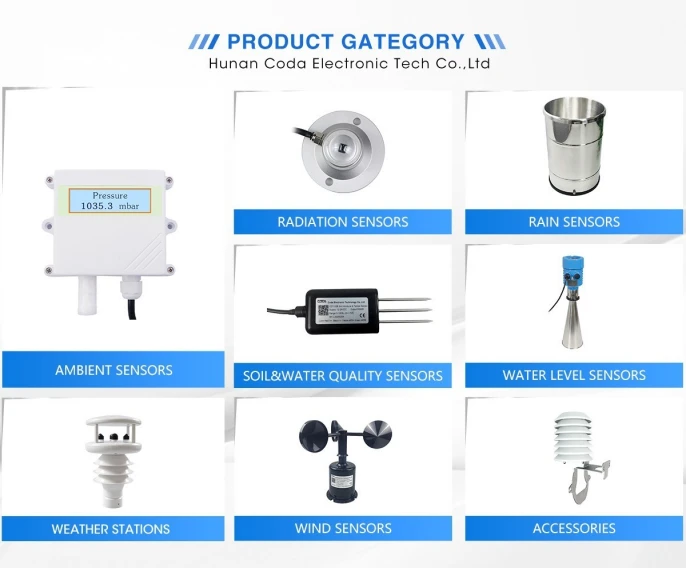
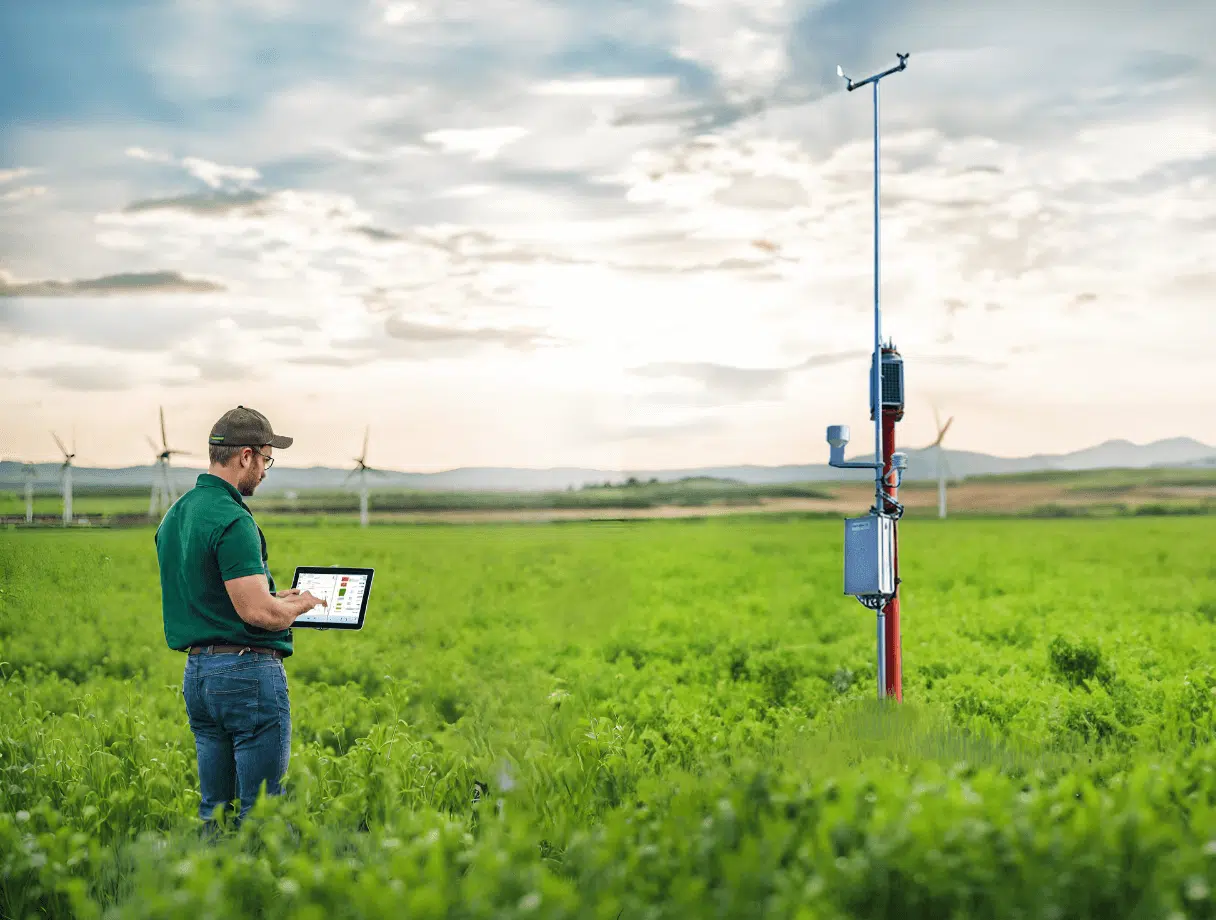
Weather Stations: These are the core parts of any farm weather monitoring system. Weather stations have sensors. They measure temperature, humidity, wind speed, and other environmental factors. They can be installed on the farm or nearby to provide local weather data.
Sensors: Sensors are used to collect data on soil moisture, temperature, and other factors that can impact crop growth. They can be placed in soil, on plants, or in other locations. They provide real-time data.
Software: The software component of an agricultural meteorological monitoring system is responsible for collecting, analyzing, and disseminating weather data. It can provide forecasts, alerts, and recommendations to farmers. It helps them make informed decisions.
Communication Networks: Agricultural meteorological monitoring systems often use communication networks, like cellular or satellite networks. These networks send data from weather stations and sensors to the software platform.
Applications of Agricultural Meteorological Monitoring Systems
Agricultural weather monitoring systems have many uses in farming, including:
Crop Management: These systems give real-time weather data and forecasts. This helps farmers improve crop growth and development. For example, farmers can use weather data to find the best time to plant, irrigate, or apply pesticides.
Irrigation Management: Agricultural weather monitoring systems help farmers plan irrigation, reduce water waste, and lower the risk of crop damage.
Pest and Disease Management: Weather data can help predict pest and disease outbreaks. This lets farmers take early steps to protect their crops.
Harvest Planning: Accurate weather forecasts from agricultural meteorological monitoring systems help farmers plan harvests. This reduces the risk of crop damage and loss.
Benefits of Agricultural Meteorological Monitoring Systems
So, what are the benefits of using an agricultural weather monitoring system?
Here are some key advantages:
Increased Crop Yields: These systems provide real-time weather data and forecasts. This helps farmers optimize crop growth and development. As a result, yields increase.
Reduced Risks: Agricultural weather monitoring systems help farmers lower the risk of crop damage and loss.
They help during weather events like floods, droughts, and heatwaves.
Improved Decision-Making: These systems provide accurate, reliable weather data. This helps farmers make informed choices about farming practices. It also reduces the risk of errors and mistakes.
Cost Savings: Agricultural weather monitoring systems help farmers cut costs for irrigation, pesticides, and other inputs, improving profits.
Conclusion and Key Takeaways
In conclusion, agricultural weather monitoring systems are a powerful tool for farmers. They provide real-time weather data and forecasts. This helps optimize crop growth and development. By using these systems, farmers can reduce risks, grow more crops, and make better decisions.
As farming continues to change, agricultural weather monitoring systems will likely play a bigger role. They help farmers adapt to changing weather patterns and climate conditions. Key takeaways from this blog post include:
Agricultural meteorological monitoring systems give real-time weather data and forecasts.
This helps farmers improve crop growth and development.
These systems include weather stations, sensors, software, and networks that work together to collect, analyze, and share weather data.
Agricultural weather monitoring systems support many farming tasks, including crop care, irrigation, pest and disease control, and harvest planning.
Using an agricultural weather monitoring system can boost crop yields. It can reduce risks and support better decisions. It can also cut costs.
As we move forward in the 21st century, agricultural weather monitoring systems will play a key role. They will help farmers handle the challenges of climate change and changing weather. By using these technologies, farmers can build a more sustainable and productive future for themselves and their communities.