A Guide to Choosing the Right Home Weather Station
Home weather stations are convenient tools. They give you local weather data for your home. You can check it before you step outside. With a wide variety of options and features available, it can be a daunting task to select the best one to suit your needs.
How to Choose the Ideal Home Weather Station: 8 Key Factors to Keep in Mind
When it comes to home weather stations, there are many options. Each one offers unique features for added convenience. Whether you’re tracking rainfall for your garden or deciding if you need a jacket, these devices can help.
They are a valuable addition to your home. To help you navigate the selection process, consider these key factors.
**1. Functions**
Home weather stations offer many features. They can show temperature, rain, and wind speed. They can also track air pressure, humidity, and ocean tides.
Begin by finding which features matter most to you. For example, a gardener may focus on tracking rainfall, while a coastal resident may prefer tide and wind readings.
**2. Accuracy**
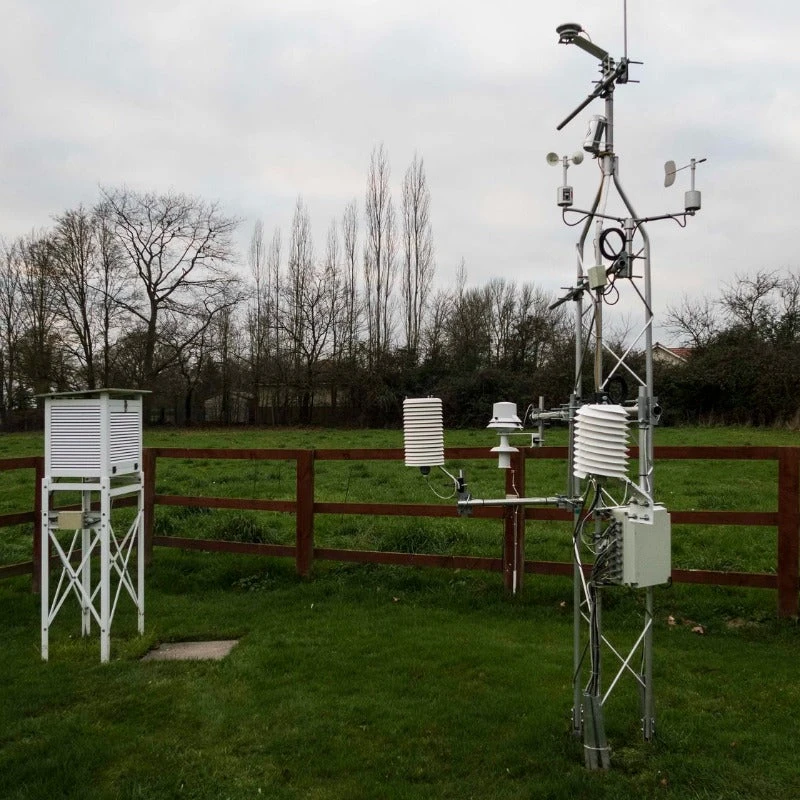
Precision is vital for any weather station. Factors such as where you place the sensors and the surrounding conditions can significantly impact accuracy. For example:
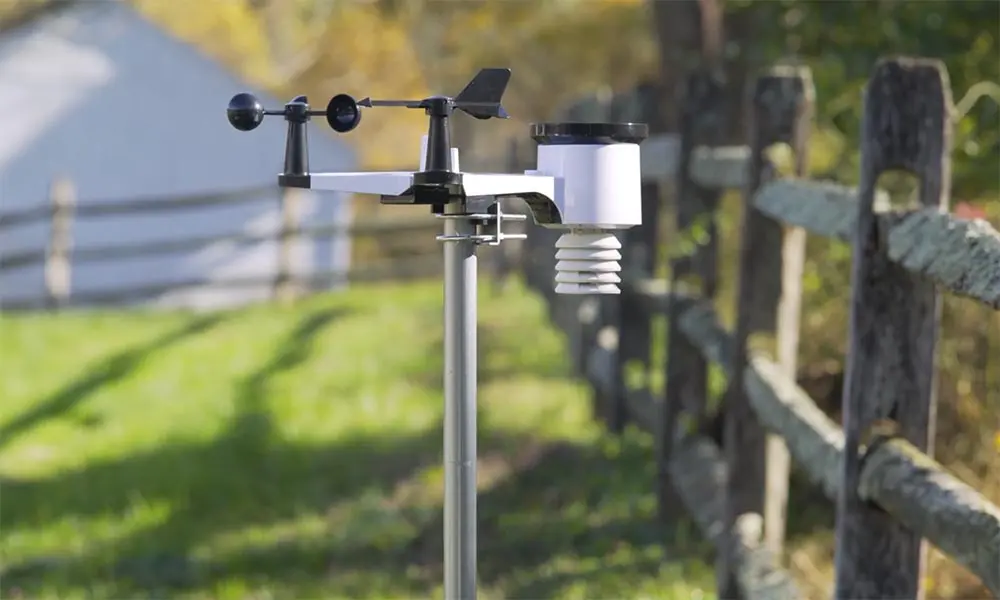
– Wind sensors should be installed 6 to 8 feet above your roof’s highest point. This helps avoid obstructions.
– Place temperature sensors in a shaded spot on the north side of your house.
– Mount them about 6 feet above the ground.
– Keep them away from direct sunlight and other heat sources.
Proper installation is vital for getting reliable data.
**3. Display**
The display on your weather station should be clear and easy to use. Consider these points when choosing a model:
– **Size:** Choose a display that fits your reading needs, whether you want it large and clear or small and subtle.
– **Type:** Decide between analog and digital options. Analog has a classic look. Digital displays often have a modern style, extra features, and device integration.
Ultimately, choose a display that shows all key details at a glance and matches your preferred style.
**4. Remote Access**
For those who want access to real-time weather data anytime and anywhere, consider a Wi-Fi-enabled model. Wi-Fi weather stations let you track current and past weather conditions. You can also get alerts through apps on your phone, tablet, or computer.
Wireless or Wi‑Fi systems are less restrictive on data transmission distance than analog cable setups. Most wireless systems can transmit data over distances up to 100 meters or more. These networks use outdoor sensors that connect to indoor base stations through a dedicated wireless link.
**5. Durability**
Since outdoor sensors face many weather conditions all year, quality and durability are crucial. Search for weather stations made with strong materials. They should withstand extreme heat, cold, rain, snow, and wind for years. High-quality systems often include warranties or guarantees for added peace of mind.
**6. Expandability**
Purchasing a higher-end weather station is often worth the cost because it can expand and offers long-term benefits. Cheaper options may lack upgrade features or may need a new setup as your needs grow.
Opt for systems that let you add more sensors later if needed. For example, UV or lightning detection. These often come with robust warranties and better customer support.
**7. Ease of Use**
Many home weather stations have pre-assembled parts that need little setup. Be sure to read customer feedback for insights on installation ease and usability. Manufacturers usually provide clear setup instructions. However, it can help to contact customer service with questions before buying.
**8. Appearance**
This might seem trivial to some, but our weather stations truly shine in design. Let’s be honest. Would you prefer a dull, cluttered LCD display? Or a sleek and sophisticated weather station control center?
We’ve blended analog charm with digital precision, creating instruments that enhance the look of any room. Our weather stations aren’t just a breeze to read; they’re also visually captivating.
Setting Up Your Home Weather Station
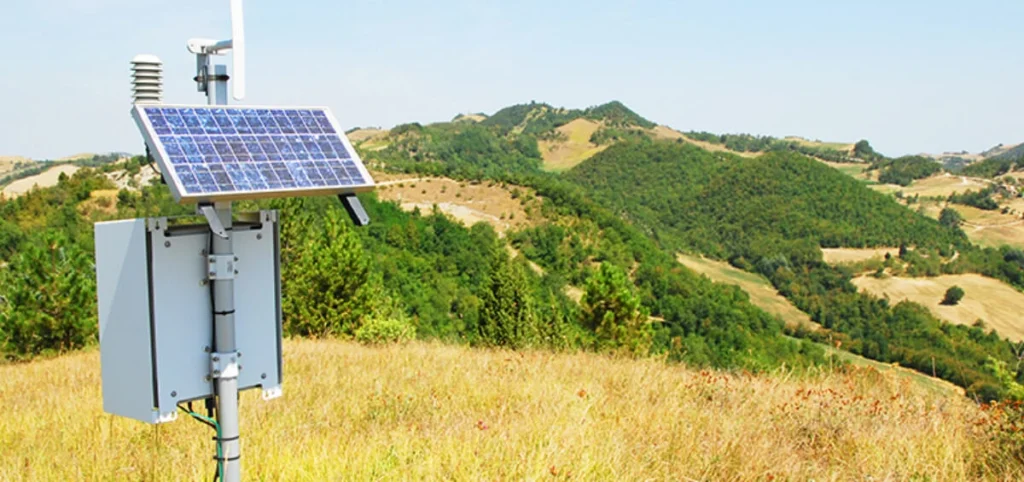
Installing a personal weather station at home is affordable and practical. It is a good alternative to relying only on commercial systems. These commercial stations are often in remote places, like airports. They usually give general readings for large areas.
A home-based weather station, on the other hand, is ideal for weather enthusiasts. It also suits people who need detailed, locati0n-specific data. This helps with water sports and other weather-dependent activities.