What are the instruments used in weather station?
Weather stations use many tools to observe, measure, and record weather conditions. This helps meteorologists understand current weather patterns and predict future changes. This data is very valuable for fields like agriculture, aviation, and navigation. Below is a clear rundown of the main instruments used and what each one does:
**1. Temperature Sensor:**
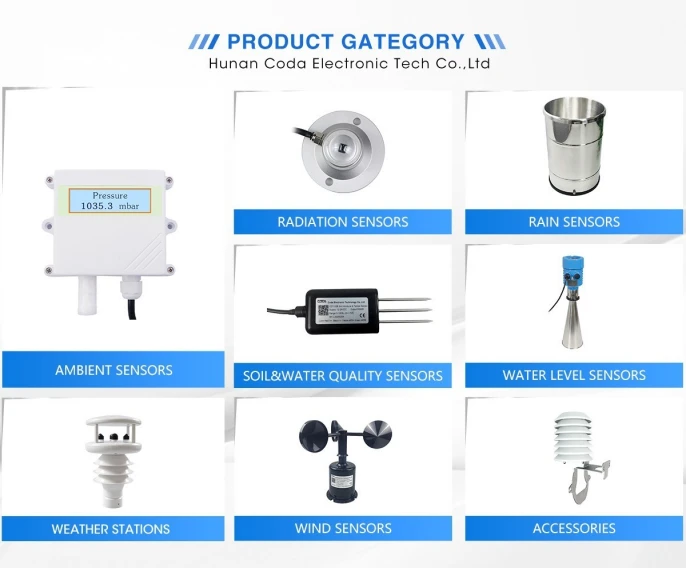
This device measures air temperature, typically in degrees Celsius or Fahrenheit. It gives vital insight into the atmosphere’s heat state, which is key for climate monitoring and weather forecasts.
**2. Humidity Sensor:**
Humidity sensors measure relative humidity in the air. It is shown as a percentage. These are vital for knowing moisture levels. Moisture affects farming, building safety, and human health.
**3. Barometer:**
A barometer measures air pressure. It uses units like millibars or inches of mercury. Pressure changes give key clues about coming weather, so barometers are important for forecasting.
**4. Anemometer:**
Anemometers measure wind speed in units such as miles per hour (mph), kilometers per hour (kph), or meters per second (m/s). This data is key for safe flights, sea travel, and weather forecasts.
**5. Wind Direction Sensor:**
Wind direction sensors often use a wind vane and a sensor. The sensor converts wind direction into electrical or digital signals. This information is important for tasks like navigation, environmental monitoring, and weather forecasting.
**6. Rain Gauge:**
Rain gauges measure rainfall, usually in millimeters or inches. This tool is key for managing water, planning irrigation, and tracking possible flood risks.
**7. Radiation Sensor:**
Radiation sensors measure solar radiation and other types of radiant energy. They play a key role in studying climate change, improving solar energy use, and monitoring the environment.
**8. Weather Balloons:**
Weather balloons rise to high altitudes with instruments that measure temperature, pressure, and humidity. They give key data on air conditions at different heights.
**9. Visibility Meter:**
A visibility meter measures how clear the air is. It does this by analyzing light scattered by particles, such as fog droplets or aerosols. These tools matter for road safety, aviation, and weather services.
**10. Doppler Radar:**
Doppler radar systems detect rain and wind speed by analyzing radar signals reflected by particles in the air. This technology is vital for short-term weather forecasts and for monitoring disasters. It helps find severe storms and tornadoes.
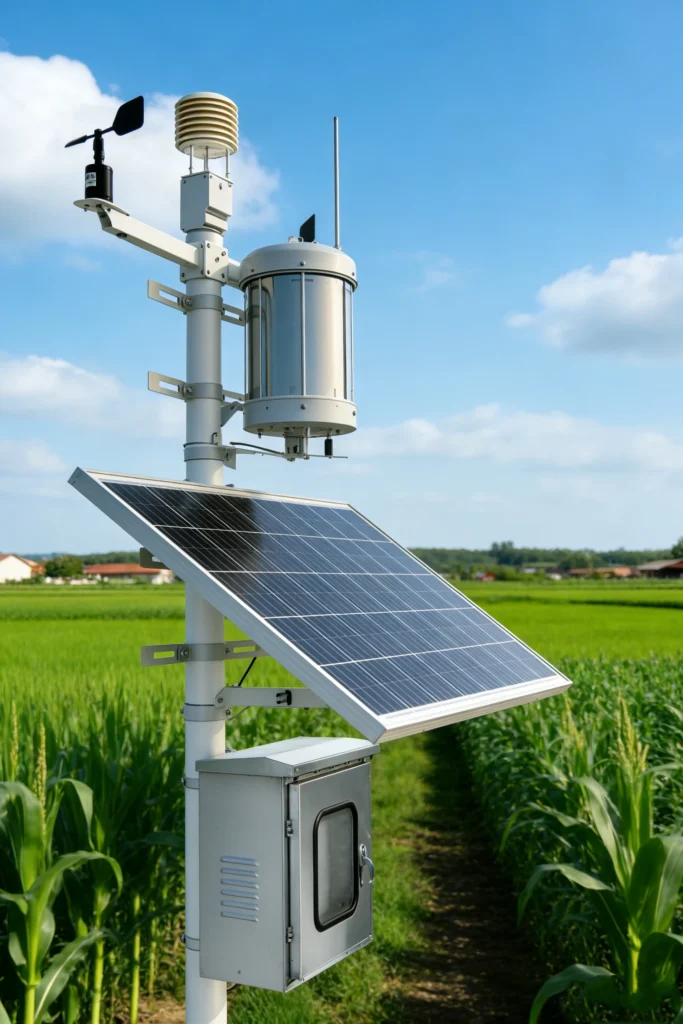
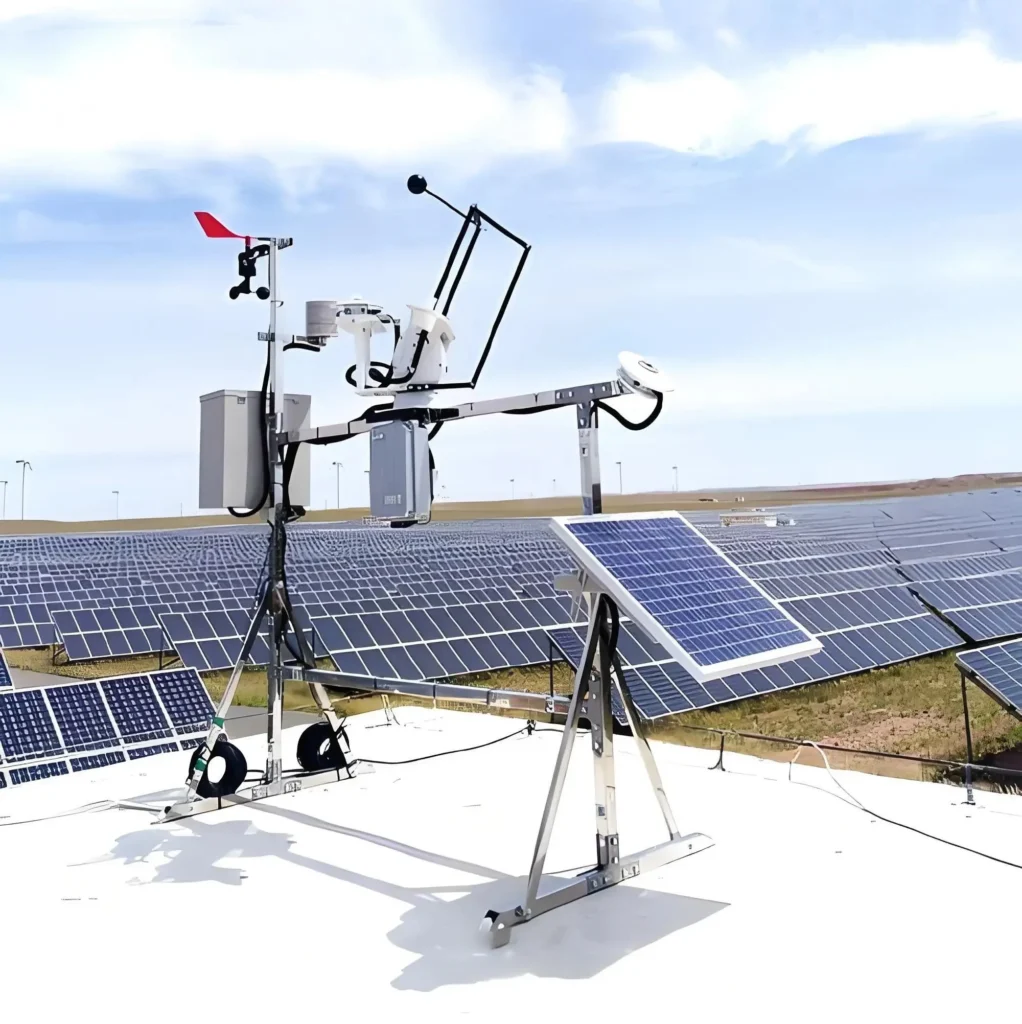
Overall, these instruments help meteorologists provide reliable weather observations, climate analysis, and accurate forecasts. These forecasts support many industries and protect public safety.
In addition to the instruments listed earlier, weather stations also use the following tools:
Meteorological Data Recorder: This device records weather data. You can transfer it to a computer for processing and analysis.
Meteorological Satellite Receiving Equipment:
This equipment gets data from weather satellites. It helps meteorologists study large weather patterns more effectively.
Ultraviolet Radiometer:
Used to measure the sun’s ultraviolet radiation. It provides insights into how solar radiation affects the Earth.
Acid Rain Detector: A tool that detects acid rain. It monitors rainfall pH levels. It supports environmental studies and pollution control.
Weather Station Observation Software:
Special software processes and analyzes weather data. It helps meteorologists quickly assess and interpret current conditions.
Data Collector:
Instruments collect weather data and can send it to computers for detailed analysis and use.
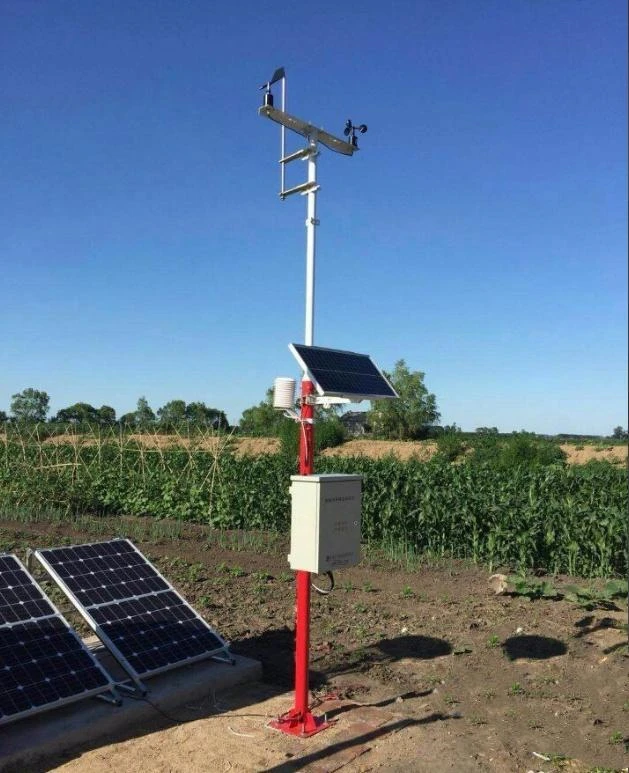
These tools help meteorologists check weather conditions, predict future changes, and share useful insights. These insights help fields like agriculture, aviation, and maritime navigation.
By working together, these instruments collect accurate and reliable weather data. This supports progress in weather forecasting, climate research, and other sciences.