Home Water Quality Testing Without a Kit
When should you test your water quality?
Checking water quality is important. This is true if you are moving to a new home or want to make sure your drinking water is safe.
There are many water testing kits available. However, they can cost a lot and take a long time to get here. This makes them less practical for regular use.
This guide provides simple ways to test water quality at home. You won’t need any special tools. These simple techniques help you check for possible contaminants like bacteria, magnesium, nitrates, nitrites, and leftover chlorine. They offer helpful tips for keeping your drinking water safe and clean at home.
Why is water quality testing essential?
1. Safeguarding health
Water contaminants can harm health. These include heavy metals such as lead and mercury. They also include bacteria like E. coli. Additionally, chemical residues such as pesticides and chlorine are harmful.
This is especially true for vulnerable groups such as children, pregnant women, and older adults. Regular water testing helps you find these dangers. This reduces the risk of health problems like poisoning or stomach illnesses.
2. Enhancing taste
Bad tastes or smells in water, like a metallic flavor, strong chlorine smell, or heavy scale after boiling, can show problems. Testing your water helps find problems. It also lets you pick the right purification solutions.
3. Protecting your appliances
Poor water quality can cause damage to household equipment over time. Hard water can create mineral deposits or scale when heated.
This can clog fixtures like showerheads and faucets. It can also lower the efficiency of water heaters. It can also shorten the life of appliances like coffee machines, dishwashers, and kettles.
An unbalanced pH level in your water can make these problems worse. It can corrode metal pipes, which may cause leaks. This can release harmful metals like lead or copper into your drinking water. These metals can lead to secondary contamination.
What are ways to assess water quality at home without a kit?
Visual assessment – Color
Safe drinking water should usually be clear, colorless, and free of any smells. However, small impurities can change its color in ways that are not always easy to see. A simple home method for initial testing uses clean gauze and a small amount of PP cotton or plain cotton.
1. Wrap the gauze with cotton around your faucet outlet. Let water flow through it slowly for 3 to 5 days.
2. Afterward, inspect the cotton for discoloration or sediment buildup.
If you see big changes in the cotton’s color or texture, your water might have impurities. At this point, use a good water testing kit for a detailed analysis. This will help ensure safety.
Smell test – Odor
Water that is not clean often has strange smells before you can see any signs of dirt. Good drinking water should always have no smell and be neutral. Residual chlorine, sulfides, iron, manganese, or organic materials can create bad smells. These smells can be foul, metallic, musty, or chemical.
1. Fill a clean glass with tap water. Hold the glass a little away from the faucet. This helps avoid contaminants from the spout.
2. Gently swirl the water before smelling it to notice any strong odor.
A strong chemical smell, like chlorine, may mean there is too much of it. To check again, heat or boil the sample. If the smell stays after boiling, it means there is a lot of chlorine left in your water. This is a key warning sign to look for when checking water quality.
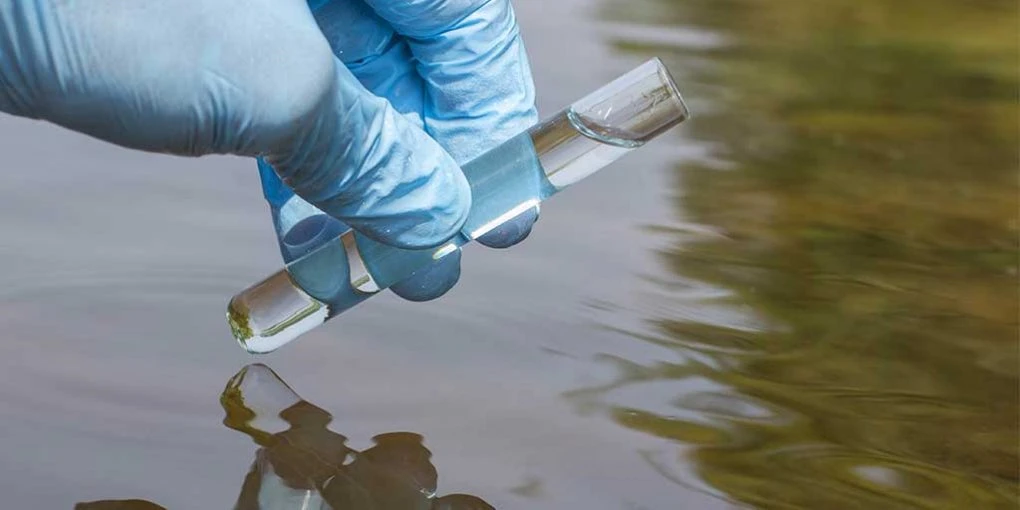
**Water Quality Testing: Identifying Impurities**
Finding impurities in water is important for safety. However, not all contaminants can be seen with the naked eye. Sensory checks and visual inspections cannot replace exact lab tests. However, they are a good starting point for checking water quality and monitoring purification systems.
To do a simple check, use a clean, clear glass to collect some tap water. Let the faucet run for 30 to 60 seconds. Discard this first flow. Then fill the glass with a midstream sample.
Put the glass in a bright area. Look closely for any visible particles or small bits floating in it. You can use a magnifying glass for a closer look. If you see any floating particles or sediment, this may show a possible contamination problem.
To get better results, let the water sit in the glass for about three hours. Then, check it again. If you see sediment at the bottom or floating particles, it means the water has many impurities.
In these situations, it is best to use professional water testing kits. You can also ask for lab tests. These methods help find contaminants and check if the water is safe.
**Water Quality Testing: Hardness**
Water hardness results from the presence of dissolved calcium and magnesium ions. Hard water is commonly encountered in households and can lead to several inconveniences and maintenance issues, such as:
– Formation of chalky stains on dishes, countertops, and bathroom fixtures.
– Residues and soap scum accumulation in sinks and showers.
– Scale buildup inside water pipes that may reduce water pressure.
– Drying effects on the skin during bathing or dishwashing and decreased soap lathering efficiency.
A simple way to test water hardness at home is the **evaporation residue test**. Fill a clean glass with a small amount of tap water. Then, put it in a well-ventilated area that is free of dust.
Allow the water to evaporate completely over 24–48 hours. If you see white spots or sticky residues on the glass, it means there are high levels of calcium and magnesium. This indicates that the water is hard.
Another method is the **boiling test**. First, pour a cup of tap water into a clean pot or kettle. Then, heat it until most of the water evaporates.
Once cooled and dried, lightly touch the bottom surface of the container. Grainy, chalky, or sticky deposits show that hardness levels are high due to calcium and magnesium.
Hard water can reduce daily comfort and create long-term problems for your home. It can damage pipes and appliances by causing scale buildup.
If hard water is causing problems in your life, consider getting water softeners or filters. They can help your appliances work better. These can improve water quality and protect your home.
**Soft Water vs. Hard Water**
Soft water and hard water differ in the amount of calcium (Ca²⁺) and magnesium (Mg²⁺) ions. These ions are also called “invisible impurities.” These minerals determine water hardness:
– **Hard Water:** High levels of calcium and magnesium ions define this. Water with 61 to 120 mg/L is moderately hard. Water with 121 to 180 mg/L is hard. Levels above 180 mg/L are very hard.
– **Soft Water:** Contains low concentrations of calcium and magnesium ions, typically below 60 mg/L.
Hard water can cause problems like soap residue, scaling on appliances, and less effective cleaning. Soft water does not have these effects. This allows soap to work better and helps protect appliances from scale damage.
Moderate hardness in drinking water can be good for health. It adds calcium and magnesium, which are important for bones and heart health. However, too much hardness can cause problems. It may increase the risk of kidney stones in people who are prone to them.
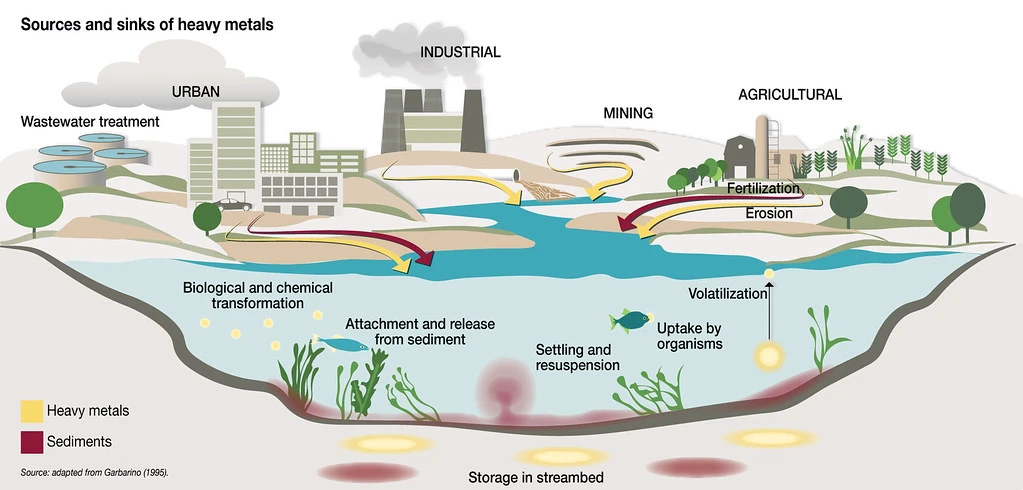
Water Quality Testing: Detecting Heavy Metal Ions
At home, you can easily check tap water quality by using tea. Start by boiling some tap water and use it to brew a cup of tea. Leave the tea alone for about 24 hours. Then, look at how it looks.
If the tea becomes a darker or murky color, it may mean there are metal ions like iron or manganese present. These substances can mix with the polyphenols in tea. This can make the tea darker or turn it black.
Remember, this method is just a sensory indicator. It cannot accurately measure heavy metal ion levels or check if they exceed safety standards. The outcome can be affected by factors like the type of tea, how much it is oxidized, and how it is stored.
If you notice unusual changes, it is a good idea to use professional water quality testing equipment. This will give you more reliable and accurate results.
When Should Water Quality Testing Be Prioritized?
Certain situations call for paying closer attention to water safety:
– Homes relying on well or spring water: These sources do not have city treatment and are more at risk from environmental pollutants.
– Older buildings may have plumbing that is aging or corroded. This can increase the risk of lead contamination.
– Households with sensitive people are more affected by contaminants. Sensitive people include babies, pregnant women, older adults, and those with weak immune systems.
– Moving into a new property: Checking water quality in a clean environment helps us take important steps to stay safe.
– Detecting unusual changes: Alterations in water’s color, smell, or taste are direct signs of possible quality issues.
Optimizing Water Quality Testing Solutions
Simple home tests can quickly show how good your water is. However, they often lack accuracy and do not cover all concerns. To get good and complete results, you need professional water quality testing equipment.
Coda Sensors is a well-known brand in the U.S. They focus on environmental monitoring technology and have over ten years of experience. The company provides advanced analyzers. These tools can measure important factors like turbidity, suspended solids, and conductivity.
They also check pH levels, dissolved oxygen, residual chlorine, ORP, and salinity. These sensors provide accurate and stable readings. They allow real-time tracking and trend analysis through a cloud platform. This makes them ideal for homes, communities, and small labs that focus on drinking water safety.
Coda Sensors has a wide range of products, good prices, and great customer support. Because of this, many users trust them. For families concerned about safe drinking water at home, Coda provides professional solutions. These solutions offer reliable and scientific protection for their health.