What is a Vane Anemometer and How Does It Work?
An anemometer is a tool that measures how fast the wind blows and which way it goes. The anemometer is unique because of how it is designed. It has blades or cups that spin to measure wind speed.
This overview explains how a anemometer works. It also shows why it is important in various industries.
Understanding the Vane Anemometer
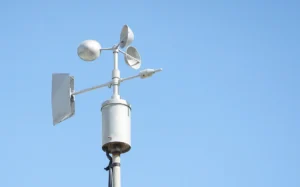
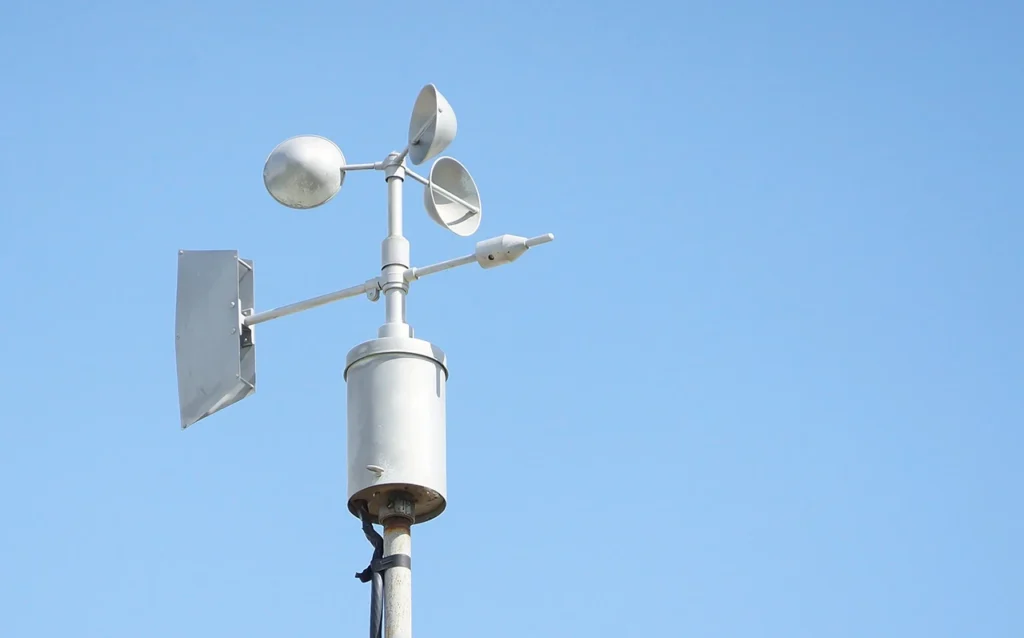
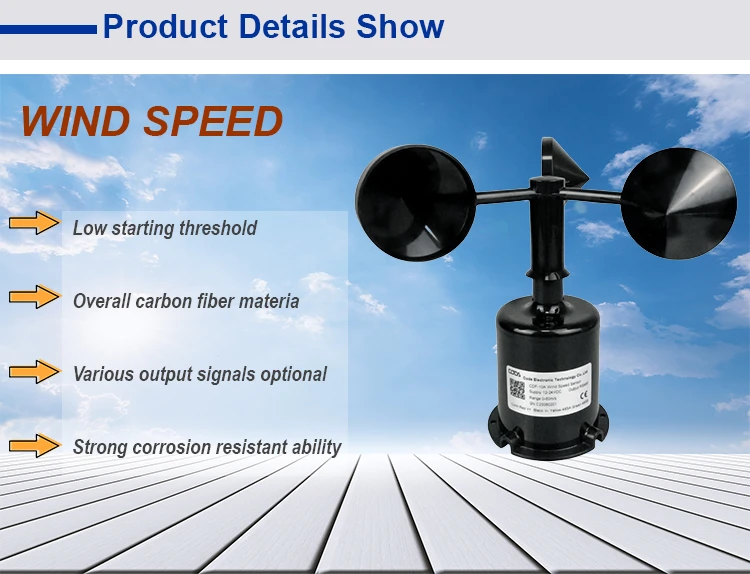
A rotating wind vane anemometers is used to measure how fast the wind is blowing. It has a propeller-like vane that spins when the wind blows. The speed of the vane’s rotation is directly related to the wind speed.
The device turns this motion into an electrical signal. This signal is shown on a digital display or saved for analysis.
Cup anemometers come in many types. Some are handheld. Others are mounted on weather stations or airplanes.
The vane is usually covered by a protective casing. This helps it give accurate readings no matter the outside conditions.
A main benefit of a vane anemometer is that it provides quick wind speed readings. This is very important for weather experts, environmental scientists, and engineers.
These readings are important for weather forecasting. They help check measure air quality and plan buildings. This makes sure structures can handle wind loads effectively.
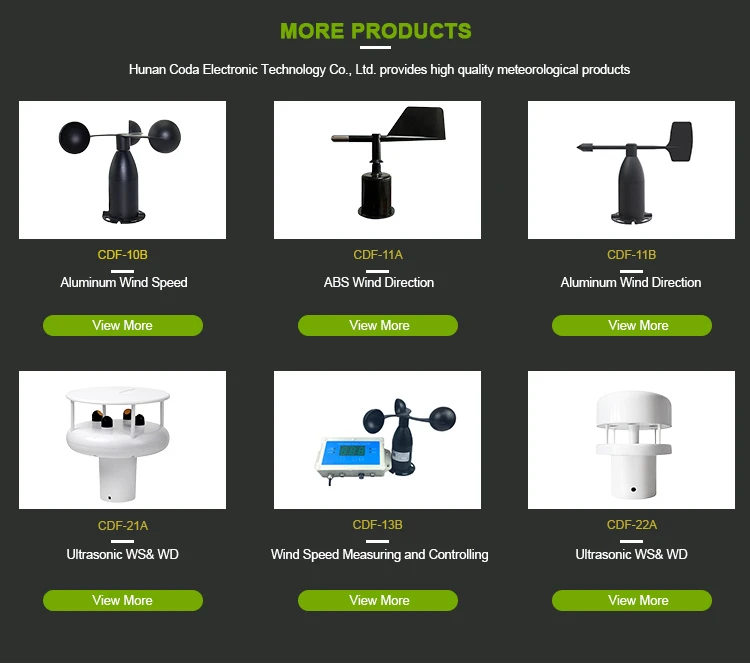
How a Vane Anemometer Functions
The main idea of a vane anemometer is to turn airflow into spinning motion.
– **Air flow causes rotation:** The wind blows on the vane, causing it to move. This is like how a small wind turbine works.
– **Rotation relates to speed:** The rotation speed goes up with faster wind and goes down with slower airflow. It is linked to wind speed.
– **Signal conversion:** A sensor picks up the rotation of the vane. It turns this motion into an electrical signal. This signal is usually shown as voltage or frequency.
– **Data processing:** A microcontroller or data logger processes the signal. It then calculates the wind speed. The results can be shown on a screen, sent wirelessly to another device, or saved for later analysis.
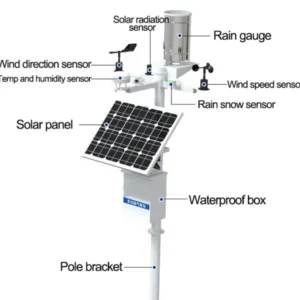
Higher-end anemometers have extra sensors. They measure wind direction and temperature at the same time. This gives complete environmental data.
The anemometer is an important tool. It measures wind dynamics and provides useful data for many situations. This data helps with tasks like measuring air velocity power potential for renewable energy. It also helps establish safety rules in difficult environments.
Applications of Vane Anemometers
Anemometers are popular in many industries because they are accurate and versatile. Key applications include:
1. **Weather Monitoring:**
Meteorologists use anemometers to measure how fast the wind blows and which way it goes. This helps them predict storms, hurricanes, and other weather events correctly.
2.**Environmental Studies:**
Scientists use these tools to learn about air quality. They watch how pollution spreads and keep track of greenhouse gas emissions.
3. **Aviation and Aerospace:**
Pilots and engineers use anemometers to check wind conditions during flights. This helps ensure smooth takeoffs and landings.
4. **Building Analytics:**
Architects and engineers use anemometers to measure wind loads on buildings, bridges, and towers. This helps them design structures that are strong and safe.
5. **Renewable Energy Optimization:**
Wind farm operators use anemometers to check wind speed and direction. This helps them make energy production more efficient.
Advantages of Using a Vane Anemometer
Cup anemometers have many important benefits. This makes them useful tools in different areas.
– Accuracy: These devices provide wind speed accurate flow accurate measurements. This makes them dependable for experts in weather, environmental science, engineering, and other fields.
– Versatility: Anemometers work well in many settings, from indoor spaces to harsh outdoor conditions. They are versatile and easy to use.
– Real-Time Data: They give instant wind speed readings. This helps users react quickly to changing weather and make smart choices.
– Ease of Use: Cup anemometers are easy to use. They need little training for effective operation. This makes them suitable for both beginners and experienced users.
– Durability: Anemometers are made to withstand tough weather and regular use. They provide reliable and long-lasting performance.
These strengths make anemometers essential for professionals. They help improve processes, increase accuracy, and ensure safety in operations.
conclusion
In summary, anemometers are critical tools for precise and efficient wind speed measurement. These devices are important for predicting the weather and managing energy. They provide key data to support professional work.
Knowing how they work and where they can be used helps users use them well for research, analysis, and decision-making. Vane anemometers are useful tools for weather experts, engineers, and environmental scientists. They help us learn more and inspire new ideas.