Difference between pyranometer and pyrheliometer?

Difference between pyranometer and pyrheliometer?

Pyranometers and pyrheliometers are special tools used to measure sunlight. However, they are made for different uses and measure different things.

Pyranometers: Tools for Measuring Solar Radiation and How They Work

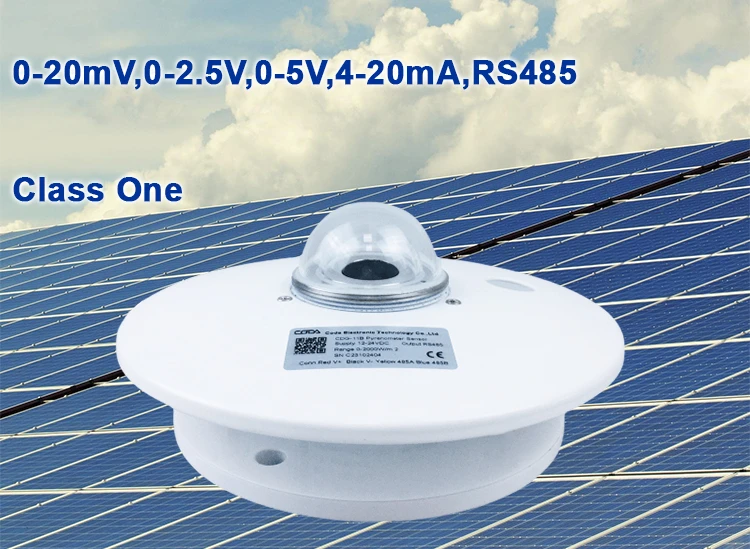
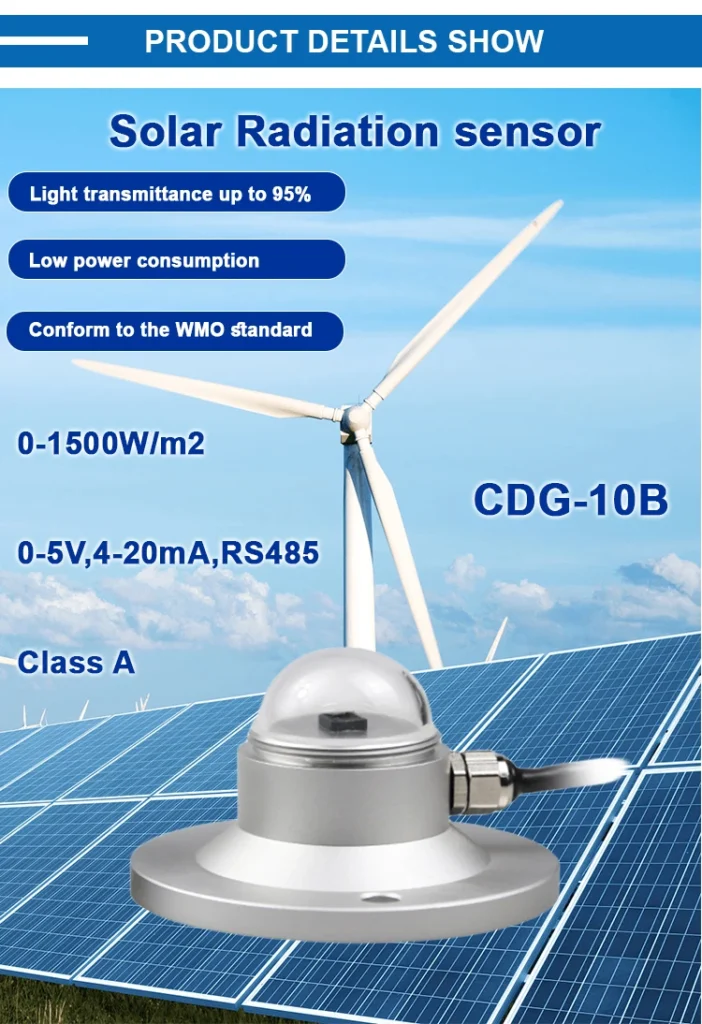
A pyranometer is a tool used to measure solar radiation. This shows how much solar energy hits a specific area over time. It usually measures global radiation. This includes both direct sunlight and scattered sunlight on a flat surface.

Pyranometers work passively and often have a small black surface or sensor. This sensor has materials that reflect light around it. These materials help direct sunlight onto the sensor.

Their measurement range typically goes from 0 to 2000 W/m². It has an accuracy of ±2%.

To get good results, place pyranometers on a flat surface. Make sure their sensors are pointing up. They need to be cleaned often to stop dirt or debris from affecting performance.

Some models can measure sunlight. They can also track other environmental factors. These include temperature, humidity, and atmospheric pressure.

This data helps us understand how solar radiation affects climate change. It also gives helpful information for weather forecasting, environmental research, and similar fields.
Pyrheliometers: Measuring Direct Solar Radiation and How Their Alignment Affects Their Function

A pyrheliometer has a different job. It measures direct sunlight from the sun’s beam. Unlike pyranometers, pyrheliometers need to be aligned with the sun.

These devices use a lens or a small hole to focus sunlight onto a sensor. This sensor measures heat energy. The pyrheliometer measures solar energy for each area and time. It then converts this into data about solar heat.

The main difference between these two devices is what they measure. Pyranometers measure all solar radiation on a flat surface. This includes both direct and diffuse sunlight. In contrast, pyrheliometers only measure the direct solar beam when conditions are aligned.

This looks at its thermal energy content. Both tools are important for studying solar energy. They are also used to study the weather and predict the climate. Each instrument is made to measure different parts of solar energy.
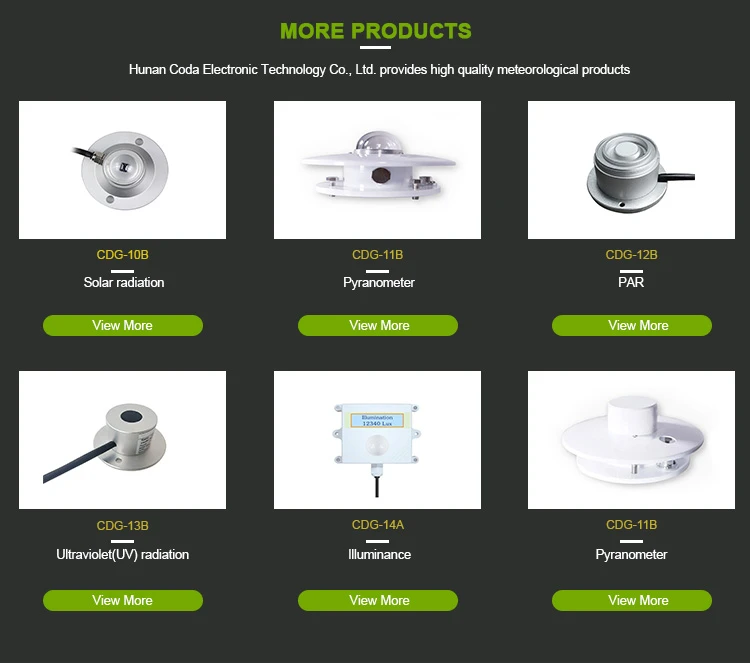
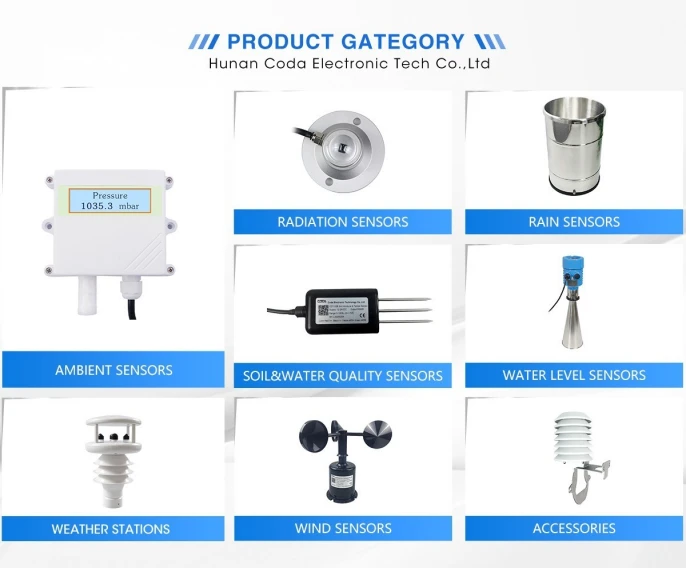
In meteorological monitoring, CODA, with strong expertise and extensive experience, has developed various monitoring solutions for customers.

CODA provides suitable solutions for every situation. This covers complex cities, vast wilderness, farming’s precise needs, and special industries such as aerospace and shipping.

When it comes to monitoring weather in cities, we set up a lot of smart sensors. These sensors unceasingly gather crucial data, including temperature, humidity, air pressure, wind speed and direction, and air quality. This helps city planners and environmental protection workers prepare ahead of time for weather – related disasters and pollution problems. As a result, city dwellers can enjoy a better quality of life and stay safe.

In agriculture, our tailored weather monitoring plan precisely measures things like soil moisture, rainfall patterns, and sunlight levels. This scientific data helps farmers plan farming well. They can then decide the best ways to water and fertilize their crops.It helps make farming smarter and more productive.

Related Post

What are the weather stations
Knowledge of automatic weather stations
Peter chen

What are automated weather stations?

A weather station is an essential tool designed to gather, analyze, and process meteorological data. These devices provide timely and precise weather information, facilitating decision-making in various fields.

Read More »
What is pyranometer used for?
Sensor-knowledge
Peter chen

What is pyranometer used for?

A pyranometer is a tool that measures solar irradiance. This means it tracks the solar energy hitting a specific surface. These instruments quantify the total solar radiation that a surface receives over a specific time frame.

Read More »
industrial noise detection level sensor​
Sensor-knowledge
Peter chen

How do noise sensors work?

Noise sensors are devices designed to detect and measure environmental noise levels. They have applications across various domains, including industrial settings, construction sites, environmental monitoring, and personal health tracking. Here’s an in-depth explanation of how these sensors work:

Read More »
An automated system for monitoring rainfall
Sensor-knowledge
Peter chen

An automated system for monitoring rainfall

The automatic rain and snow monitoring system primarily employs rain sensors and rain and snow sensors to track precipitation. A rain sensor is a hydrological and meteorological instrument designed to measure natural rainfall. It converts rainfall into a switchable form of information output, facilitating the transmission, processing, recording, and display of data to meet various informational needs.

Read More »
What is a carbon dioxide sensor?
Sensor-knowledge
Peter chen

What is a co2 sensor?

A carbon dioxide sensor is a device that finds gas. It is mainly used to measure how much carbon dioxide (CO2) is in the air. It is important to check air quality.

Read More »

Share your project needs. Let's discuss with CODA.

Please enable JavaScript in your browser to complete this form.

Welcome to Hunan CODA Electronic Technology Co., LTD

if you have any questions

Supported Payment :
Paypal
L/C
T/T