Which devices can gauge wind velocity during severe weather, such as hurricanes?
Measuring wind speed during severe weather events, such as hurricanes, is very important. It helps with accurate forecasts and timely warnings. This ultimately protects lives.
Tracking wind speed in these conditions is challenging. This overview shows the tools that are often used to measure wind speed during strong storms.
Wind Vanes
Wind vanes, also known as weather vanes, mainly show the direction of the wind, not its speed. However, they give useful data when used with other tools. These devices have a rotating arrow.
The arrow points in the direction the wind is coming from. This helps weather experts learn how wind moves and how strong it is.
Wind vanes are placed on tall structures to avoid interference from the ground. They help track wind direction during hurricanes. This helps us learn how storms act, even if they do not measure wind speed directly.
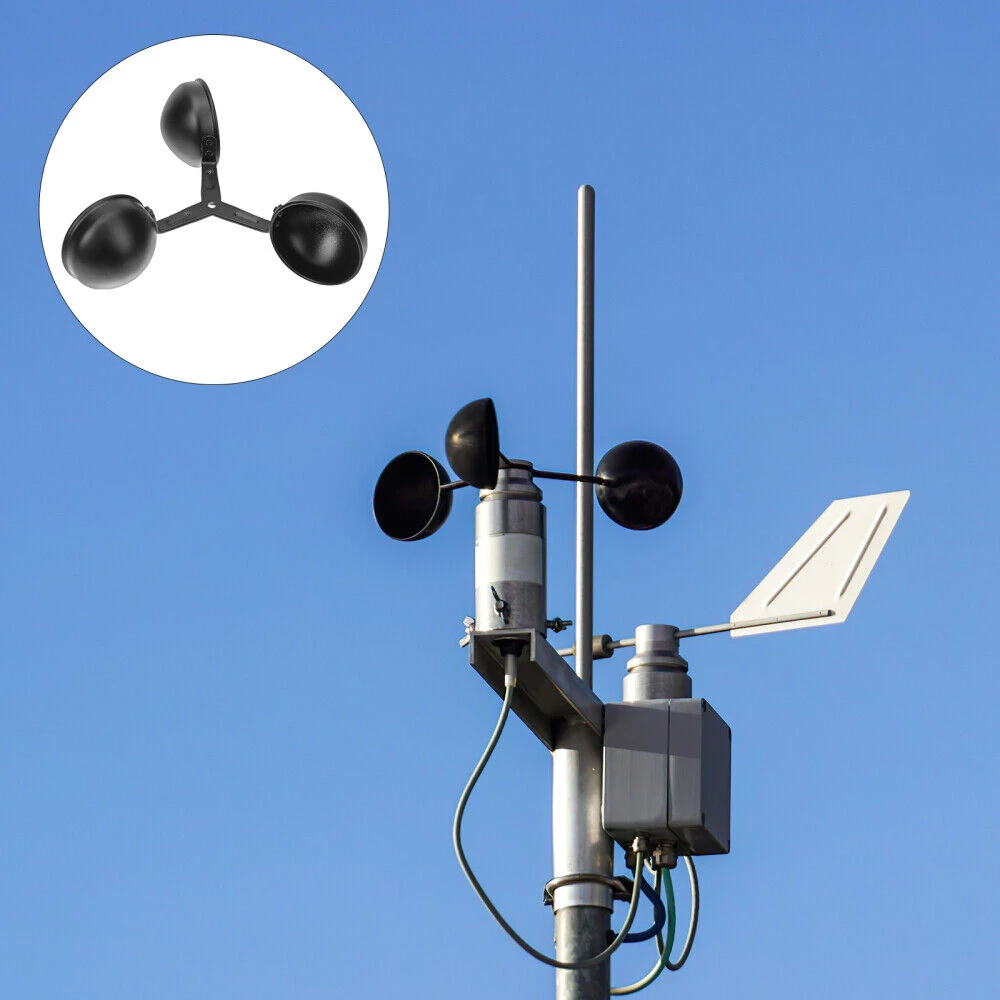
Anemometers
Anemometers are very reliable tools for measuring how fast the wind blows. The traditional cup anemometer has three or four cups on its horizontal arms. It measures how fast it spins. This shows the wind speed.
These devices are commonly used to monitor severe weather in real-time. Recent developments have brought new tools like sonic anemometers.
These devices use sound waves to measure wind speed very accurately. Sonic anemometers work very well in extreme conditions. They give accurate data even in strong hurricane winds, where other methods might not work.
Doppler Radar
Doppler radar is a smart tool for measuring wind during severe weather events. This technology is not like regular radar. It follows how rain and snow particles move. This gives us reliable information about wind speed and direction in storms.
This tool is great at analyzing wind speeds at different heights. This is important for understanding how things like vertical wind shear affect storms.
Meteorologists use Doppler radar data. They also use readings from anemometers and wind vanes. This helps them learn about a hurricane’s strength and structure.
These tools are important for watching and understanding extreme weather events. Their skills work together to make predictions more accurate. This helps people get ready and stay safe during dangerous storms, such as hurricanes.
Lidar Systems
These systems send out light pulses. They also analyze the signals that bounce back to track how particles move in the atmosphere. By studying the Doppler shift in reflected light, they can accurately measure wind speeds. This makes them important for studying hurricanes and other bad weather events.
A big benefit of lidar systems is that they can create detailed 3D wind profiles. This vertical profiling helps meteorologists see how wind speed changes at different heights.
This improves the accuracy of storm forecasts. Lidar systems are often used on aircraft, drones, or ground stations. They gather data in real-time during bad weather. This data provides important insights into storm behavior.
Satellite Technology
Satellite technology has changed how meteorologists watch and study weather. This includes measuring wind speeds during severe events. Satellites with advanced sensors can detect changes in the atmosphere.
They can notice shifts in wind speed and direction. Meteorologists can use this data to track hurricanes. This helps them create early warning systems and evacuation plans.
One big advantage of satellite technology is its wide coverage. This allows us to monitor weather in remote or hard-to-reach places. Satellites provide constant, real-time wind speed data.
This helps forecasters track hurricanes and assess their possible effects on coastal areas. By using satellite observations and ground-based data, meteorologists can create better forecasts. This also helps reduce risks for people who are vulnerable.
conclusion
In summary, measuring wind speeds during extreme weather events, like hurricanes, requires using both old tools and new technologies. Tools like wind vanes, anemometers, Doppler radar, lidar systems, and satellites are important for monitoring and forecasting storms.
By combining data from different sources, meteorologists can make reliable predictions. They can also issue timely alerts and improve community readiness for severe weather events. As technology improves, we will better measure wind conditions in extreme weather. This will lead to more accurate forecasts and better disaster preparedness.