Wind Direction Measurement with a Weather Station Wind Vane
Introduction:
Wind strongly affects weather, climate, and many daily activities. Grasping wind direction is vital for tasks like aviation, sailing, and even planning outdoor events like picnics. A weather station wind vane is one of the most reliable tools for finding wind direction. This article explains how a weather station wind vane works, why it matters, how to use it, and its benefits.
1. How a Weather Station Wind Vane Works:
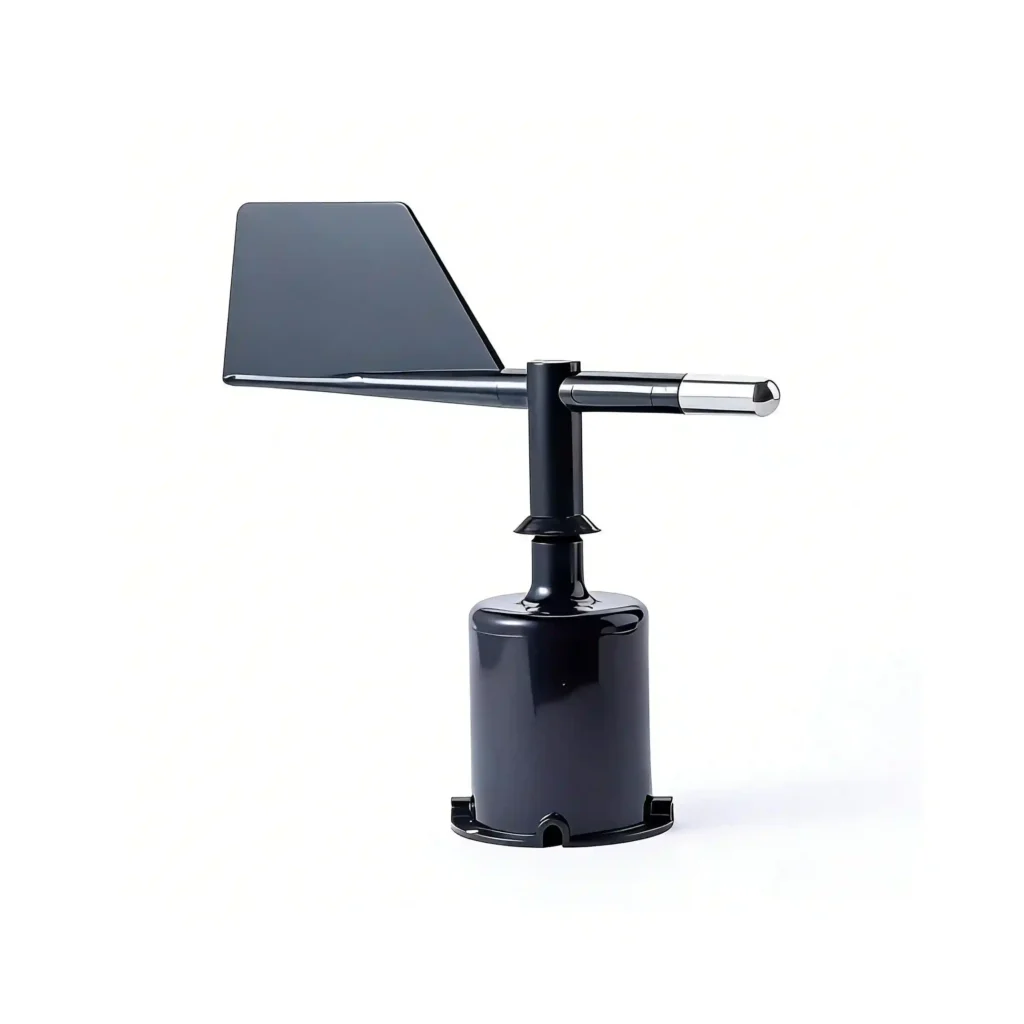
A weather station wind vane is a simple, efficient device.
It is made to accurately measure wind direction. It often has a freely rotating pointer that lines up with the wind’s direction. The pointer typically indicates one of the cardinal directions: north, south, east, or west. For precise readings, it’s important to install the wind vane in a location free from obstructions.
2. The Importance of Knowing Wind Direction:
Wind direction is vital in many fields, like weather, farming, and outdoor leisure. Meteorologists study wind data to track weather systems and forecast changes. Farmers benefit from knowing wind direction to choose the best times for crop spraying.
This helps reduce drift and prevent damage. Sailors and pilots rely on wind direction to navigate safely. They also use it to plan routes efficiently.
3. Using a Weather Station Wind Vane:
Operating a wind vane at a weather station is easy and does not need special training. To get reliable readings, make sure the wind vane is installed correctly.
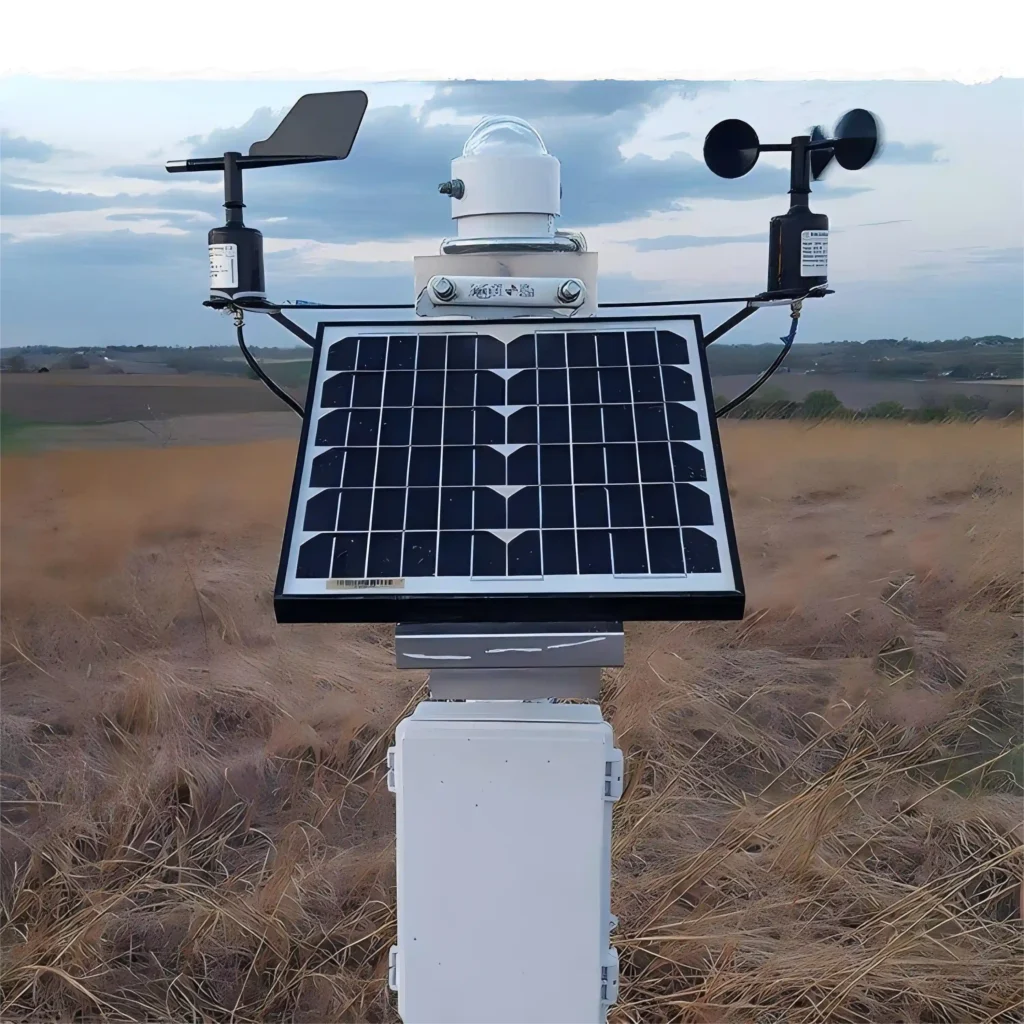
Secure it to a stable structure. Keep it away from nearby obstacles that could disrupt airflow. Once set up, note the direction where the pointer aligns; this indicates the wind direction. Wind vanes can be read by hand on-site. They can also connect to a weather station for ongoing monitoring.
4. Benefits of Using a Weather Station Wind Vane:
i. Accurate Measurement: Weather station wind vanes provide precise, real-time wind direction data. This data is crucial for accurate weather analysis and forecasting.
ii. Cost-Effective: These instruments cost less than advanced systems like radar. They offer great value without big expense.
iii. Ease of Installation and Use: Setting up a weather station wind vane is simple. It needs no special technical skills, so beginners can use it.
iv. Durability: Wind vanes use strong materials like stainless steel or quality plastics. They are built to handle harsh weather for years.
v. Versatility: Suitable for many uses, like personal weather tracking, farming, research, and education.
5. Calibration and Maintenance of Weather Station Wind Vanes:
Regular calibration helps keep readings accurate. Environmental factors like dust or turbulence can affect performance over time.
Calibration may mean aligning the vane with true north using a compass. Follow the manufacturer’s instructions. You can also consult an expert before starting calibration.
Though maintenance needs are minimal, routine checks are advised to keep the vane undamaged and unobstructed. Regular cleaning and debris removal help preserve its accuracy and extend its lifespan.
Conclusion:
A wind vane in a weather station is a vital instrument for accurately monitoring and determining wind direction. Its straightforward design, cost-effectiveness, and flexibility make it vital for meteorology, farming, and outdoor pursuits.
By giving reliable wind direction data, these devices support safer navigation, improve weather forecasts, and help plan many activities. Regular maintenance and calibration help ensure accurate readings and improve your weather vane’s performance.
Given their key role in keeping environmental monitoring systems running well, everyone should help improve OEM sensors.
If your current sensor solution does not meet your needs, you can explore other options. Consider alternatives like Coda Sensors.
Innovative technology has helped us build a strong and reliable sensor solution. It provides high quality and reliability for our customers. It also helps us scale faster.
The more people take part in an activity, the more it draws in new participants. When Coda Sensors can demonstrate satisfaction across a broad customer base, it encourages other consumers to invest as well.