Weather Station Sensors: Types, Applications, and Selection Guidelines
For many years, measuring and studying weather conditions has been vital for scientists and farmers. However, in recent years, understanding weather patterns has become much more important around the world. As climate challenges grow, many industries now need reliable weather station sensors tools to collect weather data they can use. This article will delve into the following key aspects:
– Defining “weather sensor”
– Why weather sensors are particularly relevant today
– Individuals and organizations that rely on weather sensors
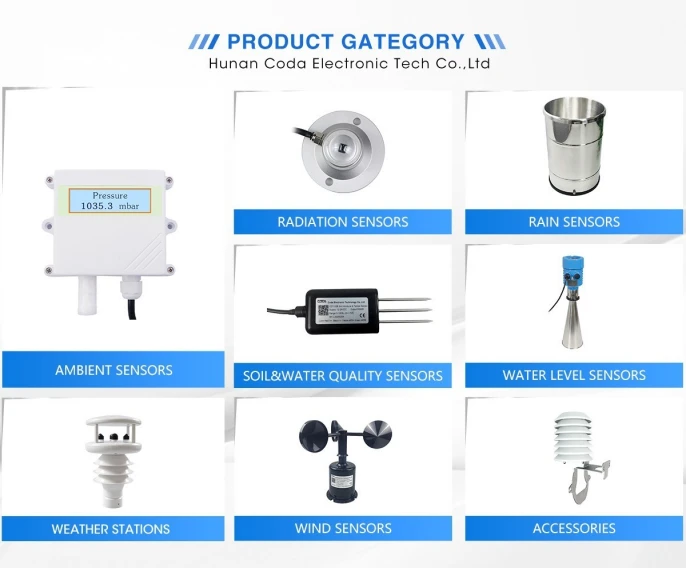
– Key types of weather sensors, featuring examples from Coda brand solutions
– Essential factors to consider when choosing a weather sensor
Understanding Weather Station Sensors
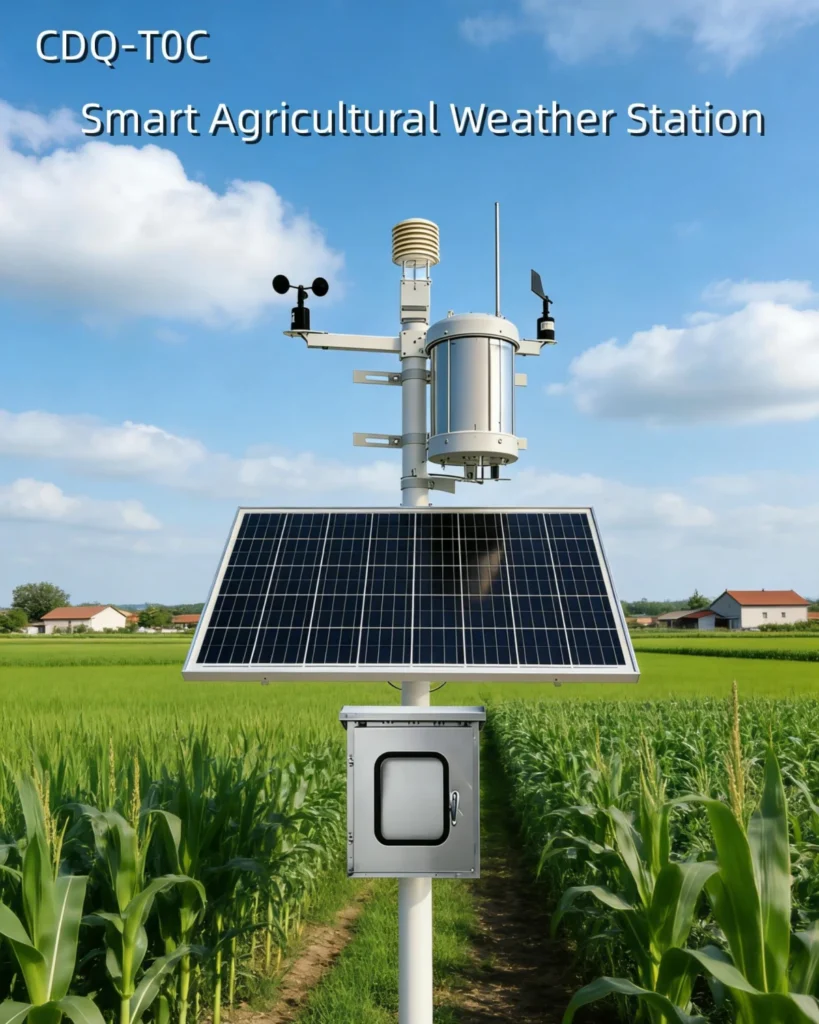
A weather station sensor is a specialized device that measures or tracks specific environmental conditions. It provides useful data for analysis and decision-making. Essentially, weather station sensors help track many weather factors with accuracy.
In some cases, one sensor is enough. For example, measuring temperature needs only one dedicated sensor. However, most applications need multiple sensors in a complete weather station setup. This setup can monitor many environmental factors that match specific needs.
The Importance of Weather Sensors
Managing risks from severe weather is one of the biggest challenges today. Unprecedented heatwaves across Europe and droughts in North America are worsening. Destructive wildfires are also increasing, and the urgency to act is greater than ever.
Weather sensors play a key role by giving governments, businesses, and people critical data. This data helps them stay prepared and take effective action as climate threats change.By providing accurate measurements and forecasts, these devices help reduce the impact of extreme environmental events.
**Extreme Weather Preparedness**
As major weather events like hurricanes and floods grow more frequent and severe, the need to prepare becomes urgent. Businesses and governments must improve their plans to reduce the impact of extreme weather on daily life. They must also keep delivering essential services.
**Prioritizing Public and Worker Safety**
Ensuring people’s safety is the top priority for leaders in both private and public sectors. New tools like weather sensors can help protect workers and communities. These sensors provide real-time data. This helps businesses decide when certain activities are safe. It also helps municipalities make informed decisions for public welfare.
**Reducing Business Disruption**
While safety is paramount, maintaining operations and minimizing disruptions is a close second for organizations. Knowing when conditions are unsafe for workers is vital. It is also vital to keep work going in milder weather. Weather sensors help leaders check conditions with accuracy. This supports both safety and productivity better than broadcast forecasts.
**How Weather Sensors Support Decision-Making**
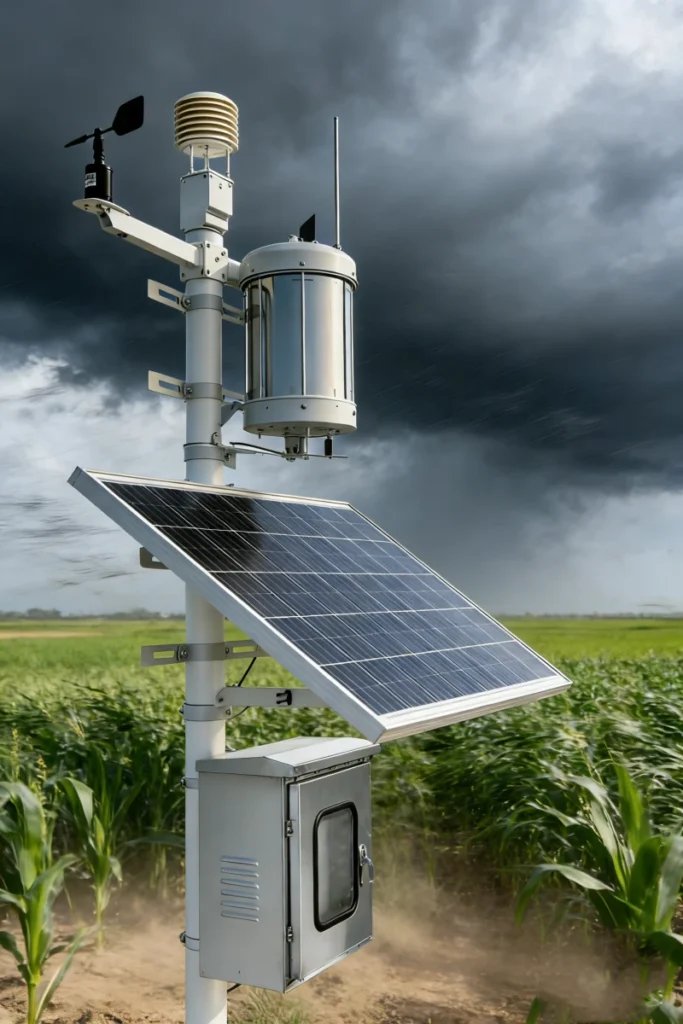
Modern weather station sensors are valuable tools for determining optimal times to start, stop, or resume work based on real-time data. By leveraging these insights, leaders can make informed decisions that enhance safety while ensuring continuity and efficiency in their operations.
Who Utilizes Weather Sensor Technology?
Many people, businesses, cities, and research groups use weather sensors to support monitoring and decisions.
Here are some key uses:
1. **Personal Users**
– Weather fans use personal weather station sensors for many tasks.
– They study local weather patterns and improve gardening.
– They keep weather journals and share data with others.
2. **Aviation**
– In aviation, nearly every aspect depends on precise weather tracking. From safe aircraft landings to secure roads near airports, weather plays a key role. Ground crews, like baggage handlers and mechanics, must adjust their schedules for lightning or severe weather.
– Airports use weather sensor networks to track safety risks and manage passenger flow during bad weather. Airlines use similar systems to run ground operations well and keep staff and passengers safe.
– Moreover, many major airports now provide weather services to resident airlines by sharing sensor data.
3. **Agriculture**
– Farmers have always relied on weather data to boost productivity. Sunshine, rainfall patterns, and soil moisture levels guide planting schedules, improve fertilizer use, and affect yields.
– The agriculture sector was an early adopter of modern weather monitoring systems. In the 1980s, farm-belt states worked with universities to create mesonets. These were weather sensor networks that gave key data for smarter farming. Today, farmers still use this technology to make data-based decisions and improve farming results.
4. **Education**
– Safety is key for effective education. Outdoor activities like sports, field trips, and events are a key part of learning. They need careful weather checks to keep students safe.
– Weather sensors are now common in K-12 schools. They give key data for school closure decisions, sports practices, and outdoor events. Additionally, these stations provide local data that teachers can use in STEM lessons. This helps students learn environmental science and math.
– At universities with large campuses that feel like small cities, weather sensors help leaders decide on class cancellations. They also guide safety steps during severe weather.
5. **Sports Clubs and Events**
– In communities and pro leagues, bad weather can create serious safety risks for athletes and spectators. Thunderstorms often cause event cancellations, which can lead to financial losses and lower community morale.
– By using weather sensors, sports organizations can better assess risks and decide if events should proceed or be postponed.
Nationals CS Blog: Reliable Weather Monitoring Solutions
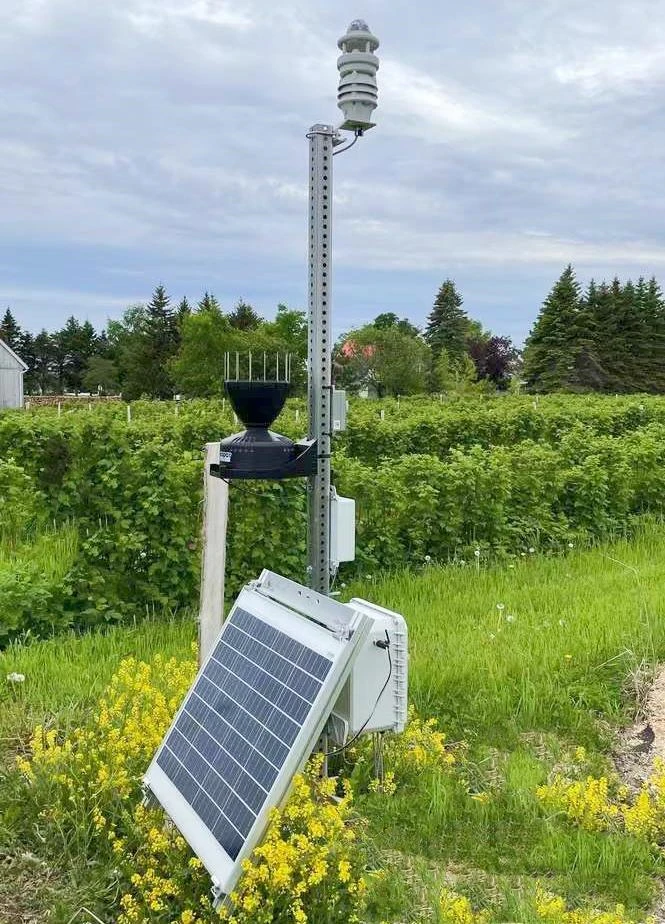
Effective weather monitoring helps organizations make informed decisions that protect people and assets. From small town parks with one weather station to pro stadiums with sensor networks, real-time tracking is invaluable.
Maritime Weather Monitoring: Navigating the Unpredictable
Few places rely on accurate weather data as much as the open sea. With roots in maritime supplies, Davis Instruments has a long history in the field. LAMBRECHT meteo is now a global leader in maritime weather solutions.
For competitive sailors, accurate wind speed and direction data is vital to plan routes and improve sail efficiency. Larger vessels, like cargo ships, tankers, and cruise ships, also need reliable weather data.
This helps them navigate safely.
It is especially important when sea conditions change. Ships are often hundreds of miles from land-based weather stations.They rely on onboard meteorological instruments. These instruments provide real-time, useful information.
Utility Companies: Weather-Driven Operational Insight
Utility companies manage many types of infrastructure, such as power plants, transmission towers, hydroelectric dams, and wind turbines. Intense winds, heavy rain, and extreme temperatures can damage this infrastructure. They can also threaten public safety due to electrical hazards.
Utilities use private weather networks to keep service running and reduce risks.
These networks use weather sensors across their service areas. Similar to agricultural mesonets, these systems provide data on weather patterns. This helps utilities calculate energy needs, ensure crew safety, and coordinate responses during severe weather.
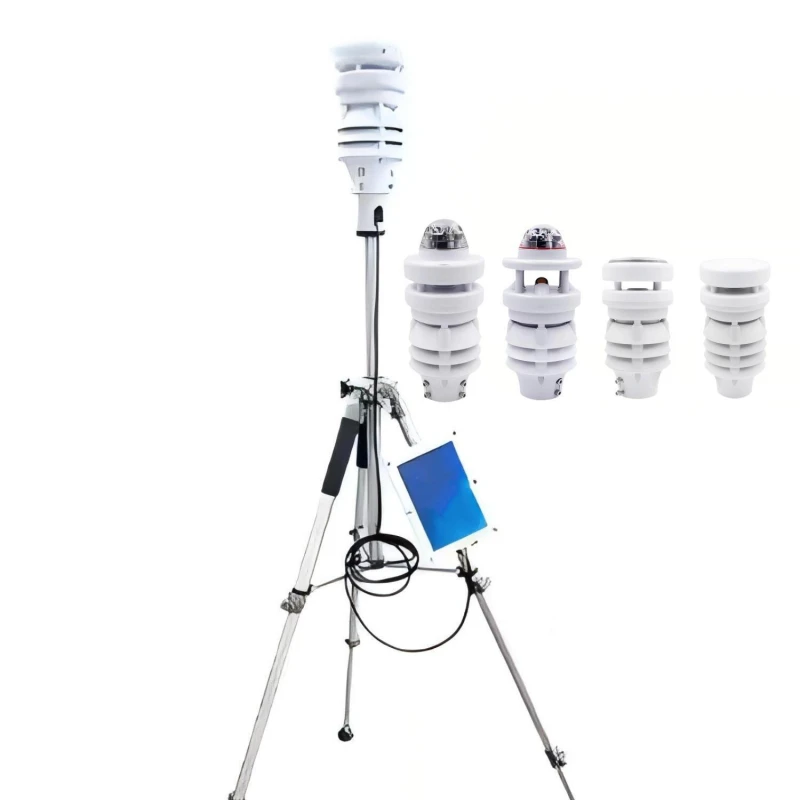
A Closer Look at Weather Sensor Types
Weather sensors are usually grouped by the environmental factors they measure. Let’s look at some common and essential sensor types:
Multi-Weather Sensors
These versatile devices combine many measurements in one unit. This makes them ideal when you need a clear view of environmental conditions. They make installation easier without reducing the range of data collected.
**CDQ-T1C** – The exemplifies precision in a compact design . This multi-functional sensor collects seven parameters simultaneously, including:
– Wind direction & speed
– Air temperature
– Relative humidity
– Barometric pressure
– Global radiation
Temperature, Humidity, and Pressure Sensors
Among the most used weather sensors, temperature and humidity devices measure key data. Their readings help calculate heat index values, assess moisture risks to crops, and support safe work in many settings.
Road Weather Sensors: Enhancing Public Safety
Roads can be very dangerous during severe weather. Road weather sensors are key tools for cities and emergency teams. They monitor hazards like ice or flooding. This helps teams respond fast and save lives.
**High Sierra Surface Sentinel** – This sensor uses advanced infrared electro-optical technology. It monitors road surfaces in high-risk areas. These include icy roads and flood-prone roads. Its capabilities include measuring several parameters, such as:
– Surface temperature
– Air temperature
– Relative humidity
By quickly detecting dangerous conditions, this sensor provides timely warnings for drivers.
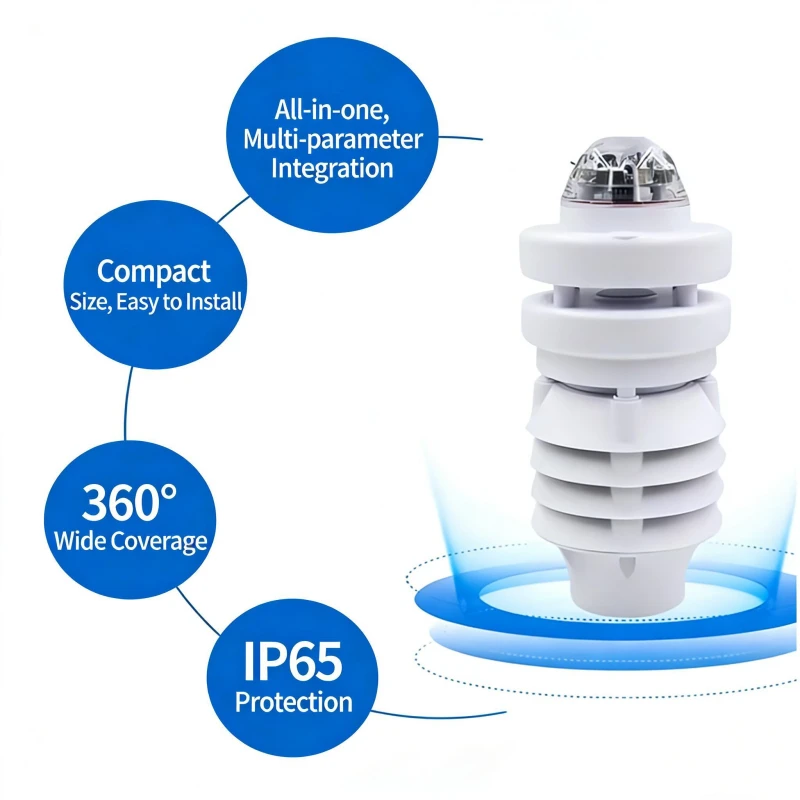
Wind Speed & Quality Sensors: A Comprehensive Approach
Monitoring wind is essential across industries—from maritime navigation to construction engineering. Wind sensors give key data to help ships sail safely at sea.
They also help cut fuel use and improve route planning.
They support stable designs that can handle severe weather. This information plays a vital role in preserving resources while ensuring safety for individuals, assets, and the environment.
**Wind Sensor**
The ultrasonic wind sensor is made for tough uses like wind farms and industrial meteorology. It provides reliable data, even during sudden or extreme weather. Crafted from seawater-resistant aluminum, this sensor uses smart self-heating technology. It ensures steady operation in icy or snowy environments.
**Water Quality, Level, and Flow Sensors**
Monitoring water flow, volume, and levels in natural and man-made water bodies is vital for community safety. When water levels rise above safe limits, floods can occur, dams may fail, and lives and property are at risk. Hydrological sensors help water managers and dam safety experts protect communities.
**Water Sensor**
The Coda Flood Station uses advanced water sensors to give real-time data.
It helps monitor levels in streams, rivers, lakes, canals, dams, and treatment facilities.
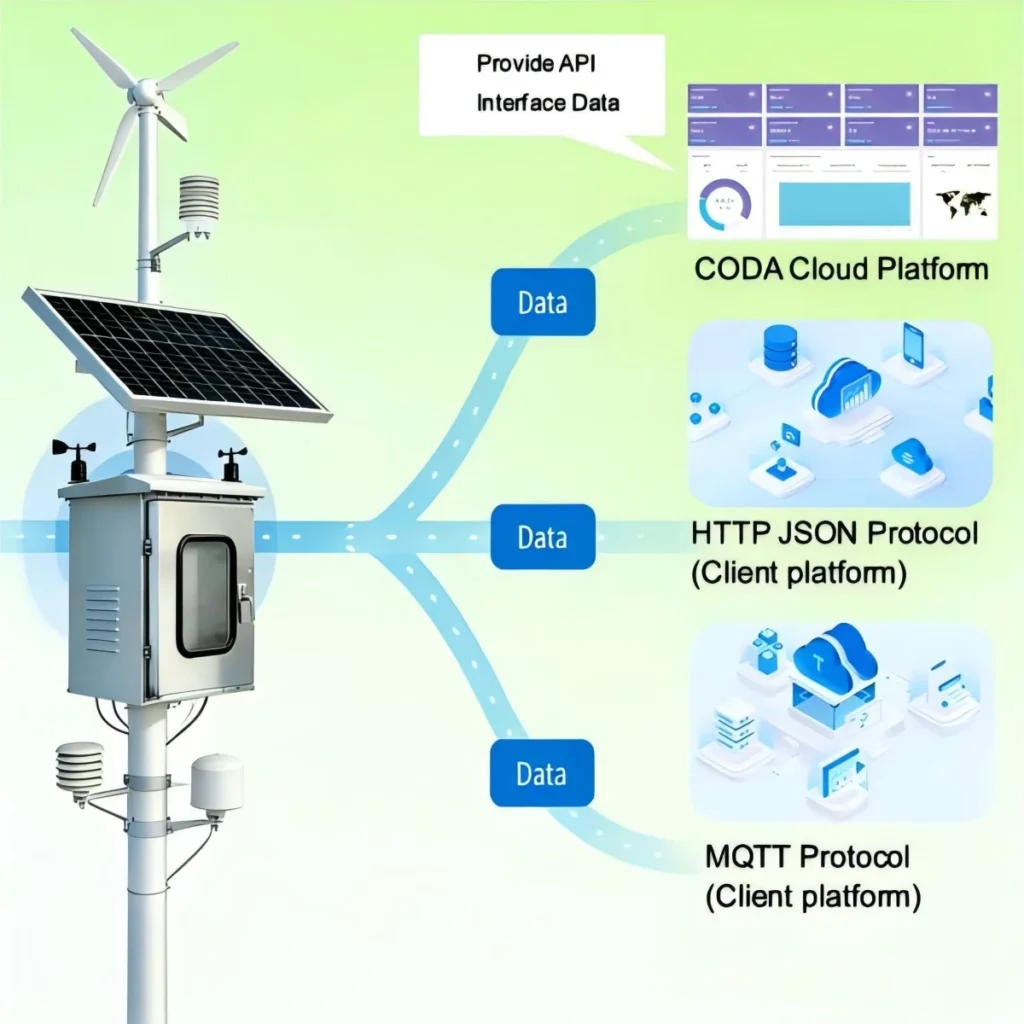
It also supports monitoring at other critical locations. By using the protocol, it enables faster and more reliable data transmission.
This makes it a strong choice for public safety projects and flood early warning systems.
Sunlight and UV Sensors
UV sensors measure sunlight to assess its effects on the environment. This information is valuable for calculating Growing Degree Days. These help farmers choose the best time to harvest crops based on sunlight. Sunlight sensors can track UV exposure over time for daily monitoring or long-term studies.
Precipitation Sensors
Precipitation sensors measure rain, snow, sleet, and hail more accurately than traditional rain gauges. Designed to reduce changes caused by wind or temperature shifts during rain or snow, these modern tools give precise data.
How to Choose the Right Weather Station
Selecting the right weather station or sensor setup depends on your goals and how you plan to use it. To make the best choice, let’s look at key factors to consider before buying weather sensors.
**Use Case**
Start by defining why you want to get a weather sensor. If you focus on specialized tasks, like research or public safety alerts, you can find sensors made for those needs.
Even if you don’t need specialized equipment, it’s important to consider how and where you will use the sensor. A model with a wide measurement range and advanced features may still not fit your site or data needs. Tailor your choice to your operational needs and context.
**Speed**
The frequency of data collection is another key factor. Some applications need periodic updates, while others need real-time data for critical decisions. If timely information is a priority, make sure your sensor can send and process real-time data.
Not all models can do this well. Even when time is not critical, check how soon data must be available to support your team’s work well.
**Accuracy**
Data reliability hinges on accuracy. For high-stakes scenarios like severe weather planning or balancing safety with business continuity, precision makes all the difference.
While a small difference (like 0.1 vs. 0.01 accuracy) may not matter for personal use.
But it can greatly affect business operations.
This is especially true when planning strong weather readiness strategies. The quality of your data could determine whether your plan succeeds or falls short.
**Build Quality**
Weather sensors must work in harsh conditions. This durability matters most for demanding uses, like placing a wind speed sensor near an airport runway. It also helps when submerging a flow meter in fast-moving wastewater.
If a sensor can’t handle its working conditions, it may not work well over time.
If it doesn’t work well over time, its data may not be reliable. This can put people at risk and disrupt operations.
**Stay Ahead of Extreme Weather Events**
Are you trying to determine the type of weather sensors best suited for your needs? Looking to create a weather risk plan for your business?
Or do you need to address new environmental challenges? Reach out to Coda for expert guidance. Our weather experts are ready to help you build strong environmental monitoring and improve weather resilience.