Weather Devices: Advanced Tools Revolutionizing Forecasting
Introduction:
Weather has a big impact on our daily lives. It impacts our travel plans, outdoor fun, and even how we feel. New tools have been made to help us understand and predict weather trends better. These tools have changed how we watch and predict the weather.
This article explores some of the most creative weather devices you can find today. It highlights how these devices help us understand the environment better.
1. Weather Stations:
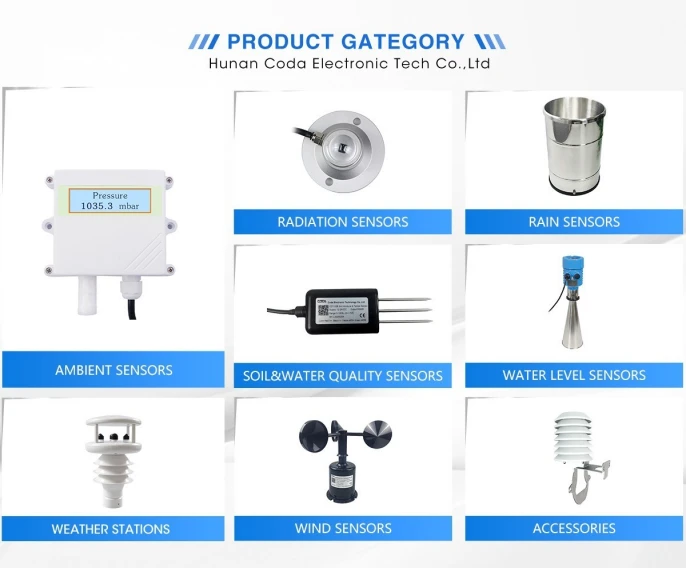
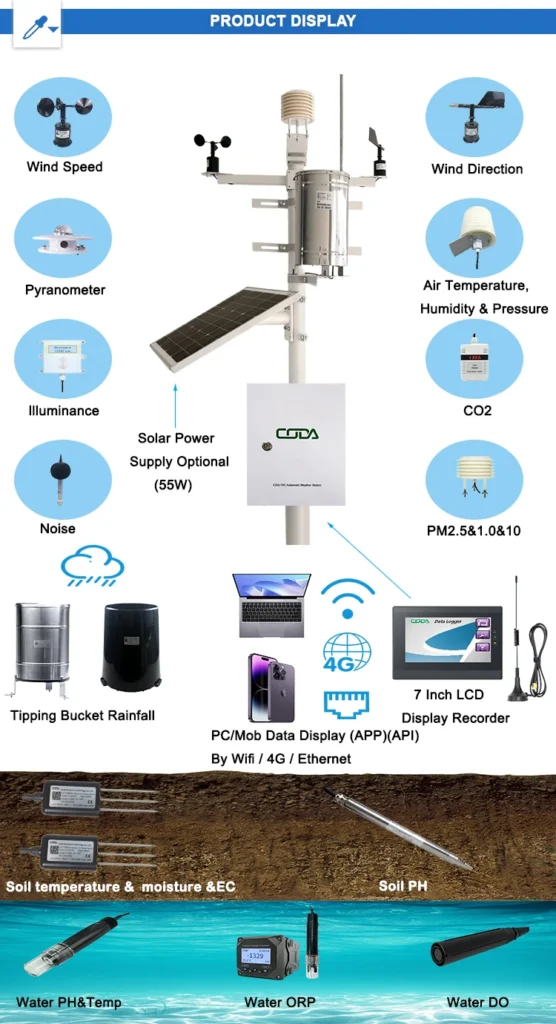
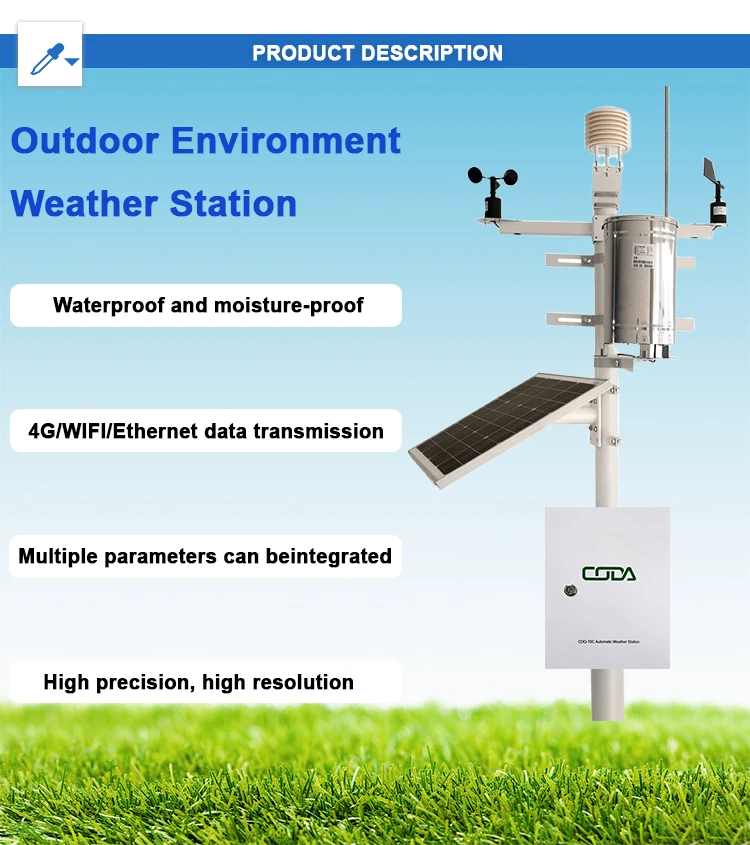
Weather stations have been important for gathering weather data for a long time. Modern versions of these systems have improved a lot. They now have advanced sensors. These devices are capable of gauging temperature, humidity, wind speed, direction, rainfall, and pressure.
With wireless connectivity, these devices can quickly send data to apps or online platforms in real time. Both experts and weather fans gain from live updates, past trends, and severe weather alerts from these stations.
2. Doppler Radar Systems:
Doppler radar systems are essential for watching rain and tracking severe weather like tornadoes and thunderstorms. And Doppler radar is different from traditional radar. While traditional radar shows where rain is and how heavy it is, Doppler radar gives more details. It shows how fast particles in storms move and which way they go.
This helps weather experts study storms better and predict possible dangers. Weather experts and emergency teams use these systems a lot. They provide real-time monitoring that is essential for public safety.
3. Weather Satellites:
Weather satellites provide a special view by watching Earth’s atmosphere from space. Equipped with advanced sensors, these satellites collect crucial data on temperature, cloud coverage, aerosols, and other atmospheric factors.
Polar-orbiting satellites give detailed data for specific areas. In contrast, geostationary satellites offer constant coverage of bigger regions.
These tools are important for tracking severe weather events, such as hurricanes and typhoons. They help make better forecasts. They give timely warnings and improve our understanding of long-term climate trends.
4. Weather Balloons and Radiosondes:
Weather balloons are important for collecting atmospheric data. They help gather information at different heights. These balloons carry radiosondes.
They measure important things like temperature, humidity, pressure, and wind conditions. As they go up into the atmosphere, data is sent back to ground stations for analysis.
This vertical profiling helps weather experts find temperature inversions. It also lets them study high-level winds and check for instability in the atmosphere. These factors are key for accurate weather modeling. Even with new technologies, weather balloons are still very important for weather research.
5. Personal Weather Stations:
New technology has made it easier for homeowners and hobbyists to use personal weather stations. They can now get local weather information. These small devices give accurate readings of temperature, humidity, air pressure, and rainfall for a specific place.
Many personal weather stations have sensors for UV index, solar radiation, and soil moisture. When linked to smartphones or computers, these systems give real-time weather updates and detailed past records. Users can share important data with local or global weather networks. This helps create community insights about microclimates.
Conclusion:
Modern technology has changed how we watch and predict the weather. We now use tools like weather stations and advanced satellites. This has made our forecasts much more accurate.
These tools give us important data. They help us understand how the atmosphere works. They also improve weather forecasts. This helps us prepare better for weather-related challenges.
If you are a meteorologist, a weather fan, or just planning your day, using high-tech weather devices can help you a lot. They can make it easier to monitor the weather and make better decisions.
If you’re passionate about environmental monitoring systems, you’ll naturally want the best tools available. The equipment you select plays a crucial role in shaping the quality of your experience.
We are confident in our ability to offer you a remarkable experience through our sensor solutions.
Advanced technology is key to making our sensor solutions. Smart customers know that improving material quality and production standards is important.