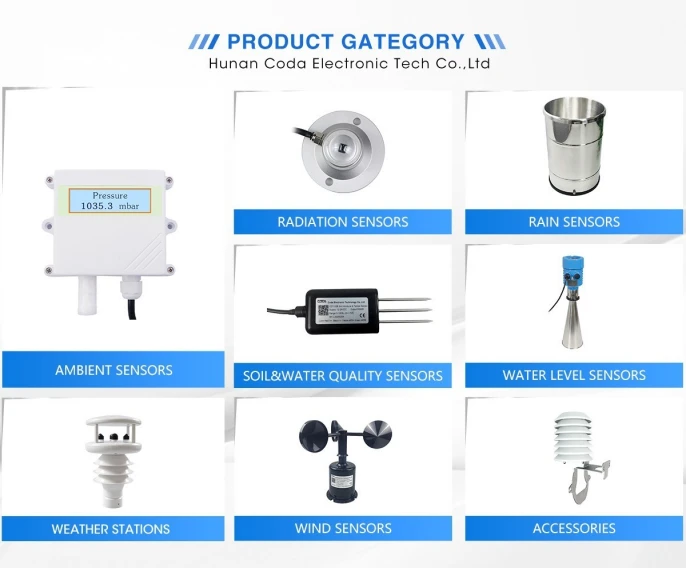
Water Level Gauge: Overview and Functionality
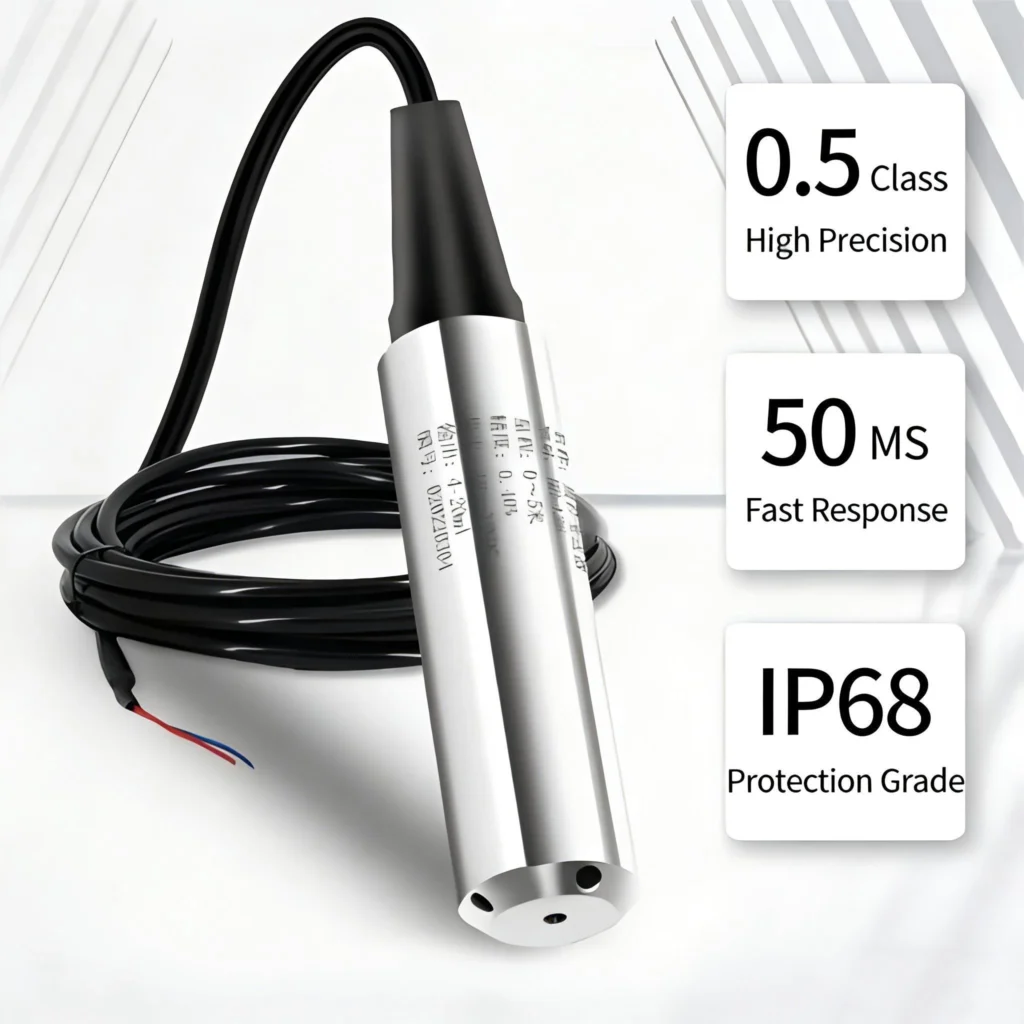
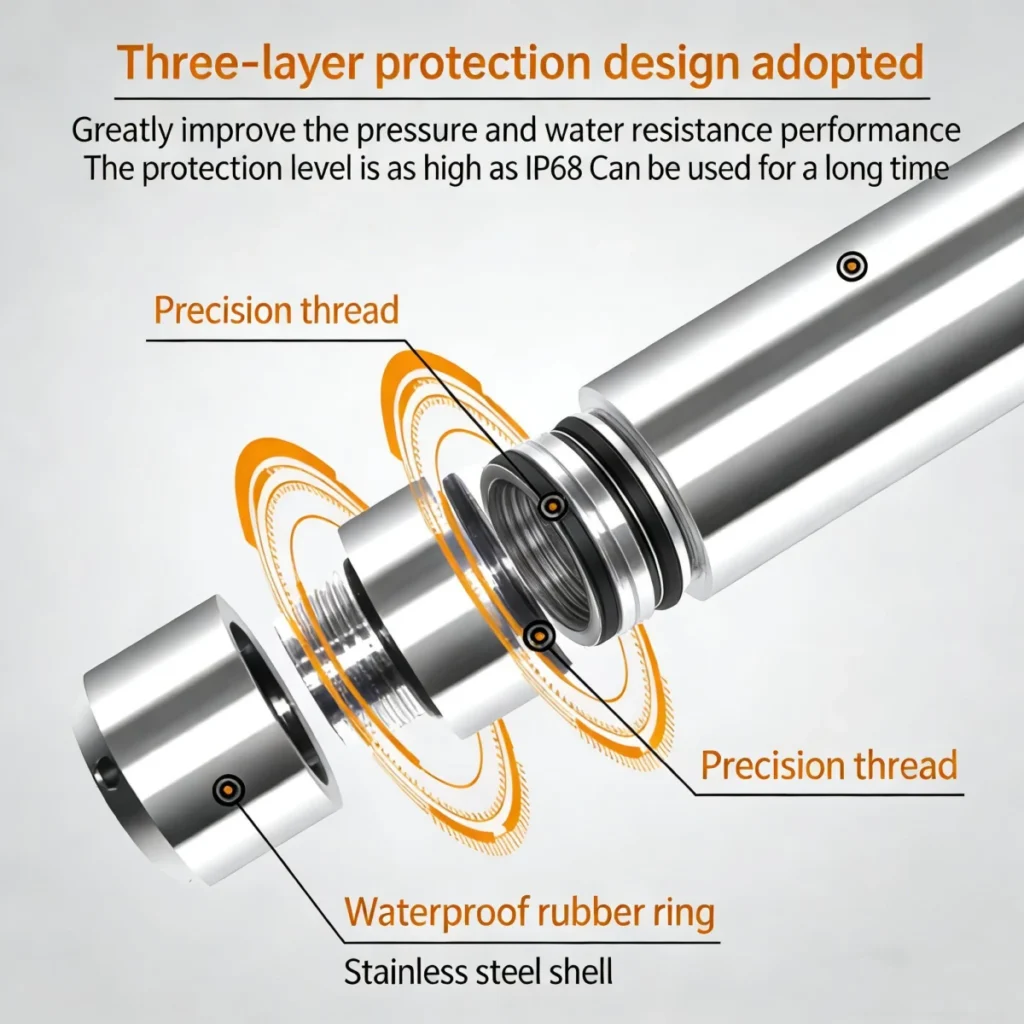
A water level gauge measures the water level at a specific locati0n using electronic sensors for accurate, reliable readings. The electronic water level gauge is a modern sensing tool. It often includes a PCB circuit board and common and detection electrodes. It also uses epoxy resin, a metal casing, and cables.
How Does an Electronic River Water Level Gauge Work?
The Coda Electronic Water Level Gauge uses evenly spaced electrodes to measure water depth. These electrodes show different voltages based on water immersion and the conductivity level. By analyzing voltage differences, the gauge finds which electrodes are submerged. It then calculates the water depth based on how many electrodes are submerged.
Installation Methods for the Digital Water Level Gauge
The gauge offers flexible installation options that fit the site’s specific needs. There are two main installation methods: vertical (hoisting) and inclined wall installation.
**Vertical Installation**
For a vertical setup, sensor segments with different specs are combined to meet the required length. These sections are joined with U-shaped connectors to form one integrated sensor system.
Inclined Installation
The process for inclined installation is similar to the vertical method. However, in this case, we change the sensor length to find the measurement height. This improves the precision of readings.
Operating Modes of the Electronic Water Level Depth Gauge
The electronic gauge has three working modes for different applications:
1. **Air Height Mode**: Calculates water level using the formula:
*Water level = Total length of water gauge – Submerged level + Reference value*
2. **Water Depth Mode**: Calculates based on:
*Water level = Submerged level + Reference value*
3. **Tilt Mode**: Uses the following formula:
*Water level = Submerged level * cos(angle) + Reference value*
Key Considerations for Using River Level Gauges
To make sure your water level gauge works well and is installed correctly, follow these precautions:
1. Arrange sensors in order by the needed installation length. Ensure each sensor is correctly oriented.
2. For connection lengths over 4 meters, it is best to install in stages at the site. This helps streamline the process.
3. Do not finish assembly before transport or movement unless you take extra steps to protect sensors from handling damage.