Understanding Photosynthetically Active Radiation
Recently, while learning how to plant strawberries, I found a fascinating term: photosynthetically active radiation (PAR). Driven by a thirst for knowledge, I dove into learning more about it. Although I have not mastered growing strawberries yet, I have learned some interesting things! Today, I’d like to share what I’ve learned about this concept.
Photosynthetically active radiation is the part of sunlight that plant pigments absorb and convert. Its wavelength range is 380 to 710 nm. It closely matches visible light.
The share of PAR in direct sunlight rises as the sun gets higher. It can reach 45%. With scattered light, this share can rise to 60–70%. This means cloudy days can increase PAR. On average, PAR makes up about half of the total solar radiation.
Why is monitoring PAR important? For plants, PAR is a key factor that affects growth. In controlled farm settings, crops at different growth stages need different light levels and hours.
To support healthy growth, adjust light based on each plant’s stage of development. Managing PAR well saves energy and also improves crop yield and quality.
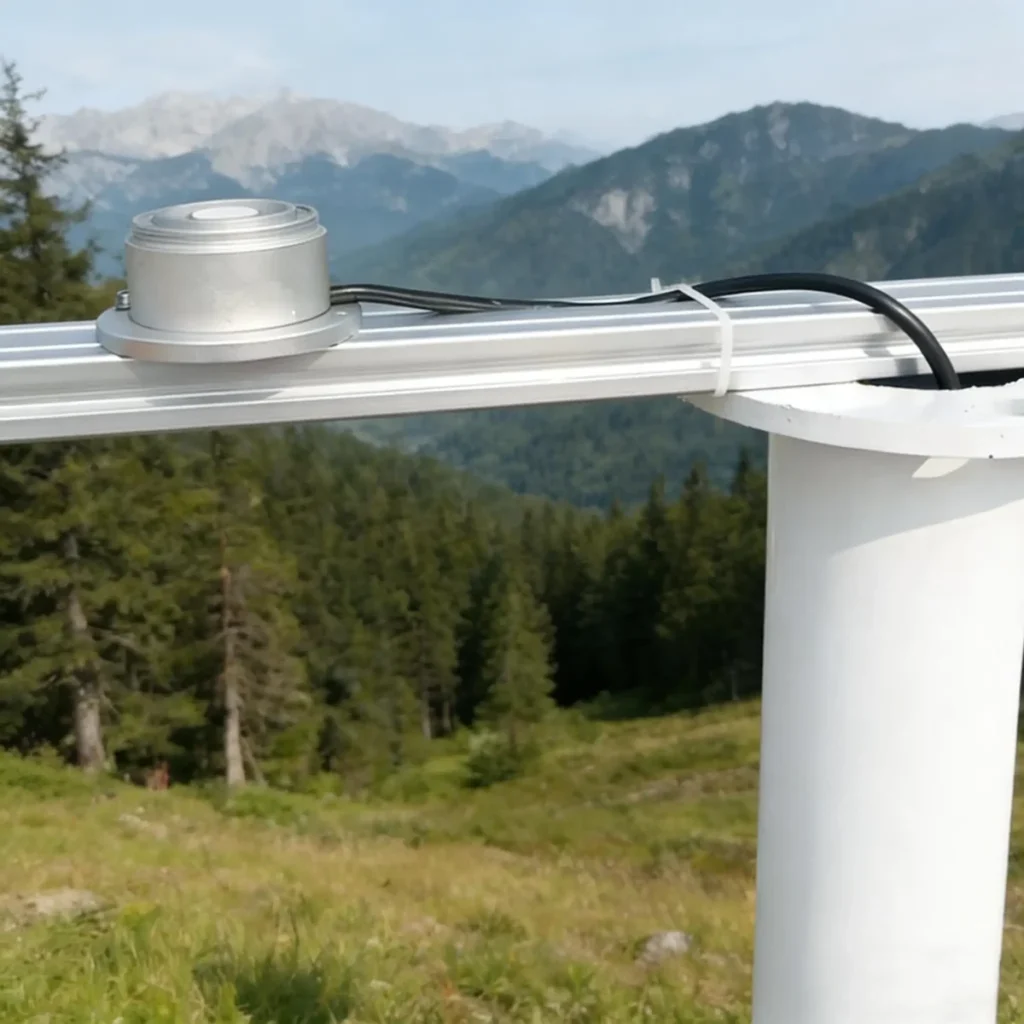
here are three main systems for measuring PAR:
1. **Optical System**:
This method relies on how our eyes perceive brightness. It uses tools like illuminance meters. These tools measure visible light in lux (lx).
2. **Energetics System**:
Thermocouples act as sensors. Devices like sky pyranometers and spectroradiometers measure radiation. They measure radiant flux density in the photosynthetic wavelength range. The result is recorded as irradiance (Wm-2).
3. **Quantum System**:
This approach uses silicon and selenium photocells to measure radiation. It uses light quantum flux density (µmol m-2 s-1). It uses tools like light quantum flux meters.
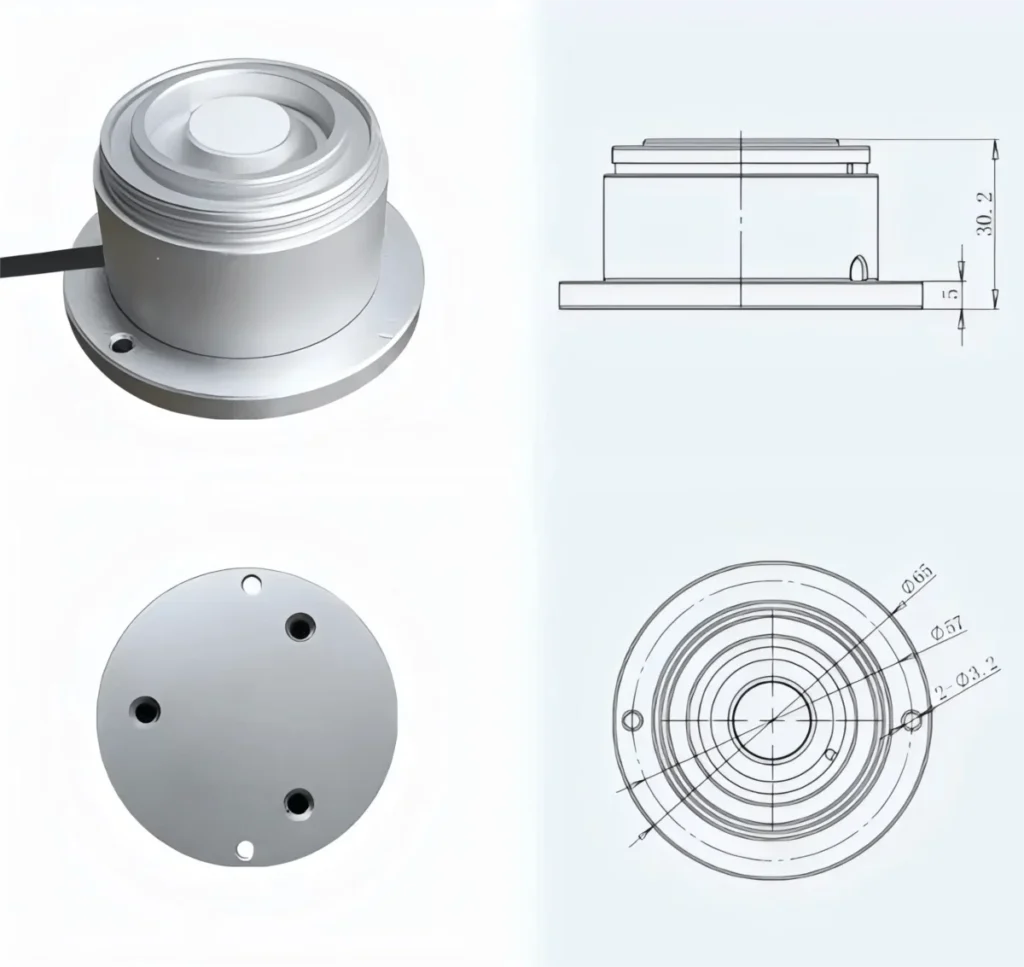
PAR can be directly measured using sensors that rely on photoelectric elements. These sensors focus light onto detectors and convert it into electrical signals. They then assess the environment’s radiation levels effectively.
Alternatively, PAR can be estimated from direct solar radiation data. By using tools like heliographs and PAR meters, you can find coefficients that link direct and scattered sunlight.
You can also track how these coefficients relate to PAR over time. Research by X. Mordau and colleagues gave a formula to link solar radiation and PAR (Qp). It uses direct radiation (S) and diffuse radiation (D). The formula is: Qp = 0.43S + 0.57D. It has minimal error under specific conditions.
As farming advances, the need for efficient, energy-saving practices becomes more important. Understanding how PAR affects crop growth can improve yield and quality. This is a step forward in sustainable agriculture.
For business owners who are unsure how to use new technology in sensor solutions, things may be easier now.
Hunan Coda Electronic Tech Co., Ltd guarantees satisfaction with their service.
These OEM sensor solutions have simplified life with their exceptional environmental monitoring systems.
Taking a sensor solution from concept to production is a complex process. It needs extensive research, time, planning, and patience. However, with the right information, resources, and product, you can achieve it.