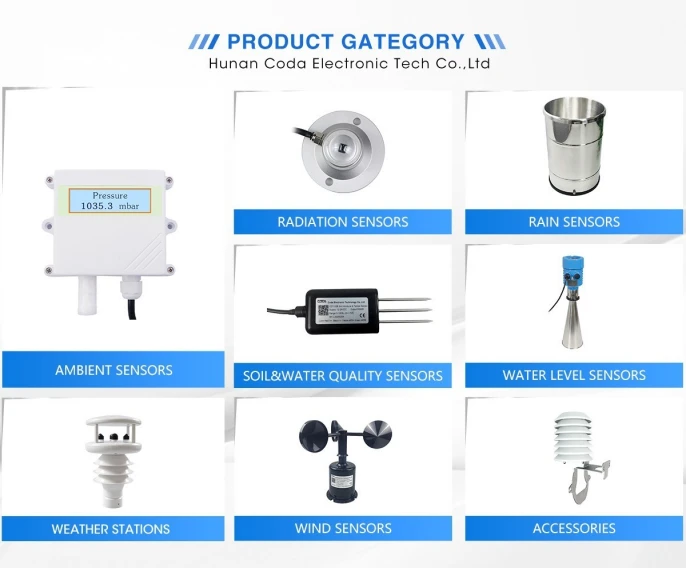
As we go about our daily lives, we often take for granted the incredible forces that shape our environment. One such force is atmospheric pressure, a vital component of our planet’s weather system. But have you ever wondered how we measure this invisible pressure? The answer lies in atmospheric pressure detectors, also known as barometers. In this article, we’ll delve into the world of atmospheric pressure detection, exploring its importance, types, and applications. By the end of this journey, you’ll be well-versed in the science behind these fascinating devices and their role in predicting weather patterns.
What is Atmospheric Pressure and Why is it Important?
Atmospheric pressure, also known as air pressure, is the weight of the air in the atmosphere pressing down on the Earth’s surface. It’s a crucial factor in determining the weather, as changes in pressure can signal shifts in the weather pattern. For instance, low pressure is often associated with inclement weather, such as rain or storms, while high pressure is typically linked to clear skies and fair weather. Atmospheric pressure detectors play a vital role in measuring these pressure changes, allowing meteorologists to forecast the weather with greater accuracy. By understanding atmospheric pressure, we can better prepare for extreme weather events, such as hurricanes or tornadoes, and make informed decisions about our daily activities.
Atmospheric pressure detectors are used in a variety of applications, from weather forecasting to aviation and maritime industries. In the context of weather forecasting, atmospheric pressure detectors are used to measure the pressure changes in the atmosphere, which helps meteorologists to predict the weather patterns. For example, a drop in atmospheric pressure can indicate an approaching low-pressure system, which can bring rain or storms. On the other hand, a rise in atmospheric pressure can indicate a high-pressure system, which can bring clear skies and fair weather. By analyzing the data from atmospheric pressure detectors, meteorologists can provide accurate weather forecasts, which can help people plan their daily activities and stay safe during extreme weather events.
Types of Atmospheric Pressure Detectors
There are several types of atmospheric pressure detectors, each with its unique characteristics and applications. Some of the most common types include:
-
- Mercury Barometers: These traditional barometers use a column of mercury to measure atmospheric pressure. While they’re still used in some applications, they’re being phased out due to concerns over mercury toxicity.
- Aneroid Barometers: These mechanical barometers use a series of evacuated chambers to measure pressure changes. They’re widely used in weather stations and are known for their accuracy and reliability.
- Digital Barometers: These modern barometers use electronic sensors to measure atmospheric pressure. They’re highly accurate, compact, and often feature additional functions, such as temperature and humidity measurement.
- Capacitance Barometers: These barometers use a capacitor to measure changes in atmospheric pressure. They’re highly sensitive and often used in industrial and research applications.
When choosing an atmospheric pressure detector, it’s essential to consider factors such as accuracy, reliability, and durability. For instance, if you’re looking for a detector for personal use, a digital barometer might be a good option. However, if you’re looking for a detector for industrial or research applications, a capacitance barometer might be a better choice.
Applications of Atmospheric Pressure Detectors
Atmospheric pressure detectors have a wide range of applications across various industries. Some of the most significant uses include:
-
- Weather Forecasting: As mentioned earlier, atmospheric pressure detectors are crucial in predicting weather patterns. By analyzing pressure changes, meteorologists can forecast weather events, such as storms, hurricanes, and tornadoes.
- Aviation: Pilots rely on atmospheric pressure detectors to navigate and predict weather conditions. By monitoring pressure changes, pilots can adjust their flight plans to avoid adverse weather conditions.
- Maritime: Atmospheric pressure detectors are used in marine applications to predict weather patterns and navigate safely. By monitoring pressure changes, sailors and ship captains can avoid storms and rough seas.
- Industrial Processes: Atmospheric pressure detectors are used in various industrial processes, such as chemical processing, oil and gas exploration, and food processing. By monitoring pressure changes, industries can optimize their processes and ensure safe operations.
In addition to these applications, atmospheric pressure detectors are also used in research and development. For instance, scientists use atmospheric pressure detectors to study the Earth’s atmosphere and understand the effects of climate change. By analyzing the data from atmospheric pressure detectors, scientists can gain insights into the complex interactions between the atmosphere, oceans, and land surfaces.
How to Choose the Right Atmospheric Pressure Detector
With so many types of atmospheric pressure detectors available, choosing the right one can be overwhelming. Here are some factors to consider when selecting an atmospheric pressure detector:
-
- Accuracy: Look for detectors with high accuracy and resolution to ensure reliable measurements.
- Range: Consider the range of pressure measurements you need to take. Different detectors have varying ranges, so choose one that suits your needs.
- Durability: Select a detector that can withstand the environmental conditions in which it will be used.
- Calibration: Ensure the detector is calibrated regularly to maintain accuracy and reliability.
- Cost: Consider the cost of the detector and whether it fits within your budget.
When choosing an atmospheric pressure detector, it’s also essential to consider the maintenance and calibration requirements. For instance, some detectors may require regular calibration to ensure accuracy, while others may require less maintenance. By considering these factors, you can choose an atmospheric pressure detector that meets your needs and provides accurate and reliable measurements.
In conclusion, atmospheric pressure detectors are fascinating devices that play a vital role in understanding our environment. By grasping the concepts of atmospheric pressure and its measurement, we can better appreciate the complexity of our planet’s weather system. Whether you’re a meteorologist, pilot, sailor, or simply a curious individual, understanding atmospheric pressure detectors can help you make informed decisions and stay safe in the face of extreme weather events. So, next time you check the weather forecast or navigate through rough seas, remember the humble atmospheric pressure detector, working tirelessly behind the scenes to provide us with valuable insights into our ever-changing world.
Key takeaways:
- Atmospheric pressure detectors measure the weight of the air in the atmosphere, which is crucial in predicting weather patterns.
- There are various types of atmospheric pressure detectors, including mercury, aneroid, digital, and capacitance barometers.
- Atmospheric pressure detectors have a wide range of applications, including weather forecasting, aviation, maritime, and industrial processes.
- When choosing an atmospheric pressure detector, consider factors such as accuracy, range, durability, calibration, and cost.
- Understanding atmospheric pressure detectors can help us better appreciate the complexity of our planet’s weather system and make informed decisions in the face of extreme weather events.