Types and Advantages of Wind Vanes |description of a wind vane
A wind vane, also known as a weather vane, is a classic meteorological instrument used to detect and show the direction from which wind blows. Wind‑direction indicators have been used since ancient times in places like Greece and China. Historical records show that the first known wind vane was placed on top of the Tower of the Winds in Athens. Over time, new ideas have greatly improved wind vanes and anemometers.
If you are thinking about getting one of these weather instruments, it is important to know the different types. This information will help you pick a device that fits your needs. Regardless of their features, all modern heavy‑duty wind vanes provide vital insights into wind direction.
What Is a Wind Vane?
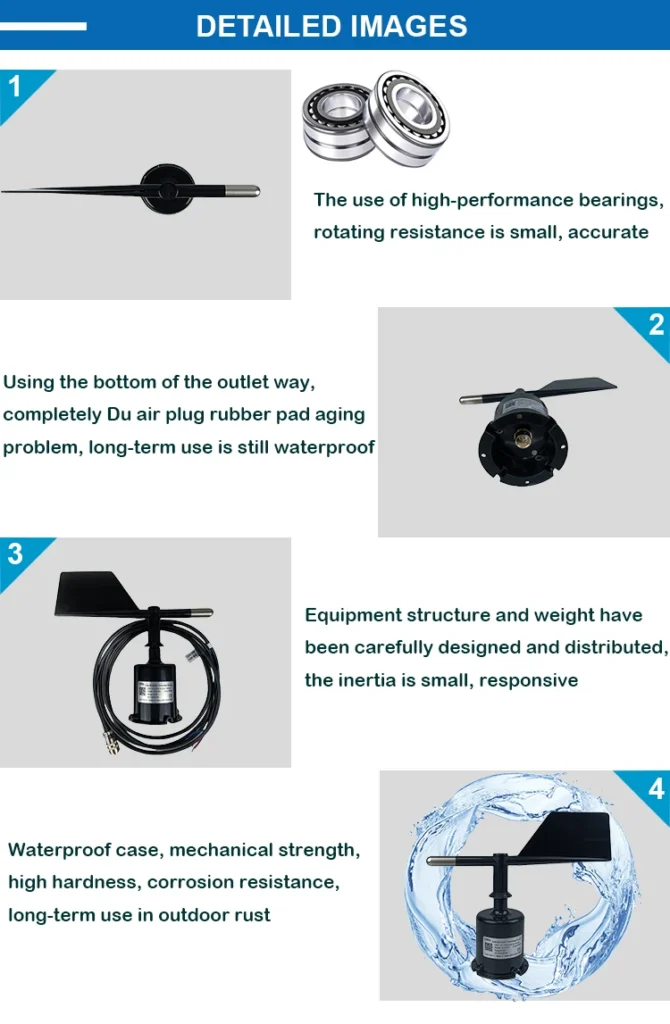
A wind vane is a weather‑sensing device that measures wind direction. It tells you where the wind originates, rather than the direction the wind is travelling toward. Most basic wind vanes work on a simple mechanical principle: one end of the rotating pointer has a larger surface area. Wind pushes against this wider side, turning the vane until the lighter arrow points directly into the oncoming wind.
Many people confuse wind vanes with anemometers. Keep in mind: a wind vane measures wind direction only, while an anemometer measures wind speed. Some combined devices integrate both functions in one weather‑monitoring unit.
How Does a Wind Vane Work?
When wind flows against the wind vane, uneven air pressure on the two ends of its rotating arm creates torque. This force spins the vane freely around its vertical spindle. The pointer will keep rotating until it aligns with the incoming wind. Markings for north, south, east and west on the base then let you read the exact wind direction.
Digital wind vanes follow this same physical principle, but add electronic sensors that convert mechanical rotation into readable digital data that can be sent to weather stations or data‑logging equipment.
What Does a Wind Vane Measure?
A standard wind vane measures wind direction. It cannot measure wind speed on its own. If you need to collect both wind direction and wind‑speed readings, you will need to pair your wind vane with a separate anemometer.
Varieties of Wind Vanes Available
To find the best choices at good prices, look at trusted online stores for your instrument used to measure wind direction and speed.
Here are some examples of wind‑direction sensors you can find on trusted websites:
Weathervane
The weather vane is likely the most well‑known type. These are often put on churches or barns. Some are for decoration. Others show which way the wind is blowing.
Weathervanes have unique designs. They can be shaped like a rooster, fish, arrow, or other figures on top. Below these shapes, directional markers point in four directions: N, S, E, and W. They show where the wind comes from. This helps users know if it is from the north, south, east, or west.
Windsock
Another simple type of wind‑direction indicator is the windsock. It can be put in different places, but it is often found near runways at small airports. Pilots can see the wind direction by looking at the position of the windsock. Also, its inflation level gives an estimate of wind speed.
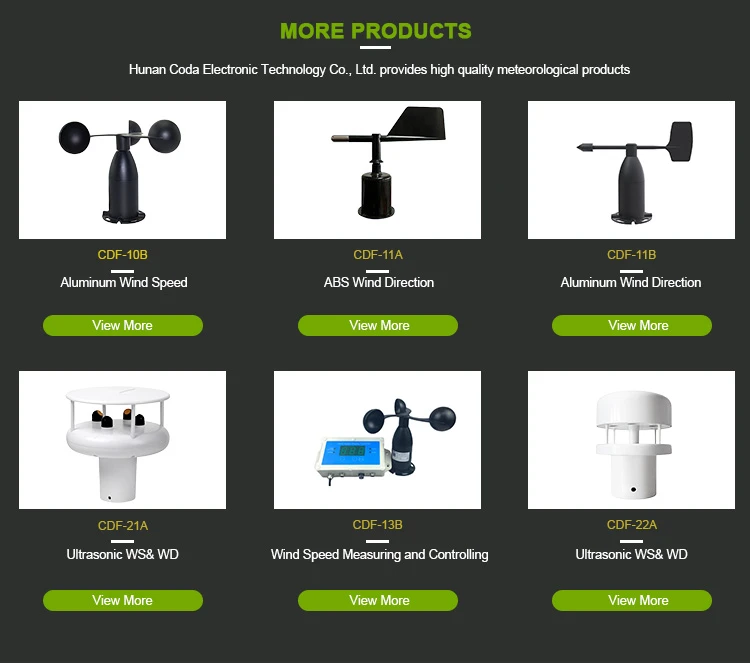
Digital Wind Vane
If you want advanced technology in a wind‑direction meter, the digital wind vane is a good choice. Digital wind vanes work on the same basic principle as a traditional weathervane or a windsock, but they have more useful features.
It can work alongside a full weather station. This type can detect wind direction, and many paired‑sensor models also measure how fast the wind blows. Some integrated units also track barometric pressure, humidity, and temperature.
Key Advantages of Wind Vanes
Buying a wind‑direction meter from a trusted supplier gives you many benefits. For example, it is a good tool for keeping people safe. By getting accurate and up‑to‑date wind information, people can prepare better for severe weather events. These tools protect people and also keep property and livestock safe.
Having a good wind‑direction meter can help with many activities. It can improve your golf game. It can also help pilots land safely. Plus, it can assist boaters in navigating docks better. It is also essential for weather fans who like watching or chasing storms. Industrial‑grade digital wind vanes are widely used for agricultural monitoring, construction‑site safety, wind‑energy projects and environmental research.
nteresting Facts About Weather Vanes
- The oldest surviving wind vane dates back more than 2,000 years.
- Rooster‑shaped weather vanes are one of the most popular classic designs across Europe and North America.
- Modern industrial wind vanes are built to withstand high‑speed winds and work reliably outdoors year‑round.
View our wind‑direction sensor products
Let Us Assist You in Selecting the Right Wind Vane
If you want to buy a wind‑direction meter, our team at Coda is here to help you. We offer diverse options tailored to meet different needs. Get in touch with us today for expert advice and more information.