—
Introduction: Turn the Weather into Your Ally
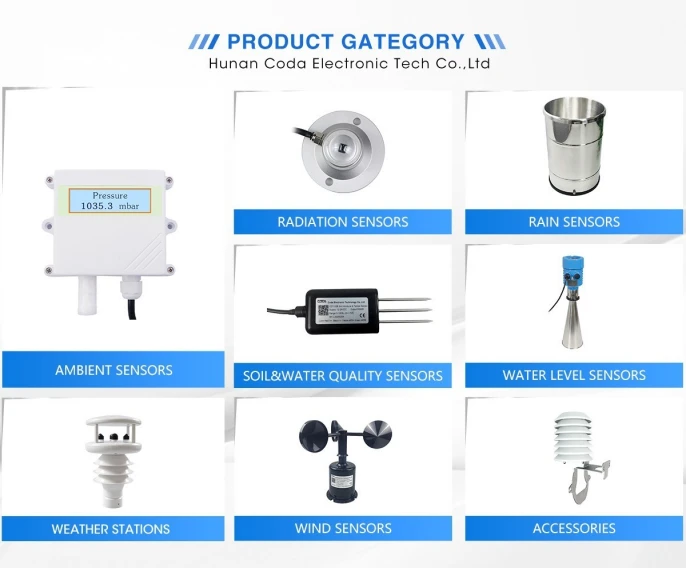
Imagine waking up to a garden that’s always at the perfect moisture level, a farm that never over‑watered, or a smart home that saves water without sacrificing comfort. It might sound like a distant dream—until you install a rainfall sensor. These little devices give you real‑time data on precipitation, letting you automate irrigation, protect crops, and even forecast local weather conditions. In this post, we’ll dive deep into what rainfall sensors are, why they matter, and how to choose, install, and maintain the best one for your needs. By the end, you’ll have a clear roadmap to harness the power of rain, no matter whether you’re a seasoned farmer, a hobbyist gardener, or a tech‑savvy homeowner.
—
1. Why You Need a Rainfall Sensor
1.1 The Cost of Guesswork
Traditional irrigation relies on schedules or manual checks—both prone to over‑ or under‑watering. A rainfall sensor delivers precise data, reducing water waste and cutting utility bills. For farmers, the savings translate to higher yields and healthier crops. For homeowners, it means a greener lawn and less water damage.
1.2 Protecting Plants From Over‑Stress
Too much water can lead to root rot, fungal infections, and nutrient leaching. With a sensor, you can pause irrigation during rainfall, preventing over‑watering and ensuring plants receive exactly what they need.
1.3 Smart Home Integration
Rainfall sensors pair seamlessly with smart irrigation controllers, weather stations, and home automation systems (e.g., Home Assistant, SmartThings). They trigger actions—like turning off sprinklers or adjusting greenhouse humidity—based on real‑time precipitation data.
—
2. Types of Rainfall Sensors: Choosing the Right One for Your Needs
| Type | How It Works | Best Use Case | Pros | Cons |
|——|————–|—————|——|——|
| Weighing Rain Gauge | Measures rainfall by weight on a pan | Agriculture, research | High accuracy, continuous data | Bulky, requires power |
| Tipping Bucket | Bucket tips after a set volume, counts tips | Municipal weather stations | Simple, low cost | Less accurate at high rain rates |
| Optical Rain Gauge | Infrared beam interruption by raindrop | Home/industrial | Compact, low maintenance | Sensitive to debris |
| Capacitive Rain Sensor | Measures change in capacitance due to water | Smart irrigation | Waterproof, digital output | Calibration needed |
| Ultrasonic Rain Gauge | Detects water droplets via sound waves | Research, high‑accuracy | No physical contact | Expensive, complex |
Actionable Tip
If you’re a homeowner or small‑scale farmer, a capacitive or optical rain sensor is usually the sweet spot—compact, affordable, and easy to integrate with a smart irrigation controller.
—
3. Installing a Rainfall Sensor: Step‑by‑Step Guide
3.1 Pick the Right Location
- Avoid obstructions: Keep the sensor at least 3 m above ground and away from trees, buildings, or windbreaks.
- Flat surface: Mount on a stable pole or wall to minimize wind interference.
3.2 Mounting the Sensor
1. Secure the pole: Use a sturdy tripod or pole with a mounting bracket.
2. Attach the sensor: Follow manufacturer instructions; ensure the sensor is level.
3. Protect from debris: Install a splash guard or shield to keep leaves and insects from clogging the sensor.
3.3 Wiring & Power
- Power source: Most sensors use 5 V DC or battery. Consider a solar panel for remote locations.
- Data output: Connect to a microcontroller (Arduino, ESP32) or a smart irrigation controller via I²C, SPI, or UART.
3.4 Calibration
- Weighing gauges: Calibrate against a standard rain gauge.
- Capacitive sensors: Use a calibration kit or run a calibration routine in your controller’s firmware.
3.5 Testing
- Simulate rain: Use a garden hose to confirm sensor reads accurately.
- Check data logging: Verify that the data appears correctly in your dashboard or app.
—
4. Integrating Rainfall Sensors with Smart Irrigation Systems
4.1 Connect to Your Controller
- Common protocols: Most controllers accept serial or wireless (Wi‑Fi, Zigbee) inputs.
- Firmware updates: Ensure your controller firmware supports rain sensor input.
4.2 Set Up Rules
- Rain delay: If rain > 0.1 in, pause irrigation for 24 h.
- Dynamic scheduling: Reduce watering duration by 30 % during light rain.
4.3 Use Cloud Platforms
- Home Assistant: Add a sensor entity, create automations.
- Google Home / Alexa: Use IFTTT to trigger notifications (“Rain detected—sprinklers paused”).
4.4 Data Analytics
- Track trends: Use historical rainfall data to refine irrigation schedules.
- Export CSV: Integrate with spreadsheets or GIS tools for farm management.
—
5. Maintenance & Troubleshooting
| Issue | Likely Cause | Fix |
|——-|————–|—–|
| No data | Power off / bad wiring | Check connections, replace batteries |
| Erratic readings | Debris clogging sensor | Clean sensor, install splash guard |
| Inconsistent calibration | Temperature drift | Recalibrate, use temperature-compensated sensor |
| Low accuracy in heavy rain | Sensor overload | Use a tipping bucket or weighing gauge for high‑volume areas |
Routine Checks
- Monthly: Clean the sensor, inspect mounting hardware.
- Quarterly: Recalibrate and verify data against a manual rain gauge.
- Annually: Replace batteries or solar panels, inspect for corrosion.
Conclusion: Key Takeaways
- Rainfall sensors turn weather data into actionable insights, saving water, protecting plants, and integrating with smart home ecosystems.
- Choose the right type: For most homeowners and small farms, capacitive or optical sensors offer a great balance of cost and performance.
- Installation is straightforward: Mount correctly, power securely, calibrate, and test.
- Smart integration amplifies value: Automate irrigation, trigger alerts, and analyze trends for continuous improvement.
- Regular maintenance keeps accuracy high: Clean, recalibrate, and replace parts as needed.
By investing in a rainfall sensor, you’re not just buying a gadget—you’re embracing a smarter, more sustainable approach to water management. Whether you’re tending a vegetable patch, managing a commercial orchard, or simply maintaining a lush backyard, the right sensor can help you make the most of every drop. Happy planting—and may the rain be plentiful, but never excessive!