As the world faces climate change, pollution, and sustainability challenges, accurate and reliable environmental monitoring matters more than ever.
Traditional monitoring methods often rely on manual data collection and labor-intensive work.
They are no longer enough to meet the demands of a rapidly changing planet. This is where field environmental monitoring nodes come in. This game-changing technology is transforming how we collect, analyze, and act on environmental data.
In this blog post, we explore field environmental monitoring nodes. We cover their benefits, uses, and their impact on the environment.
What are Field Environmental Monitoring Nodes?
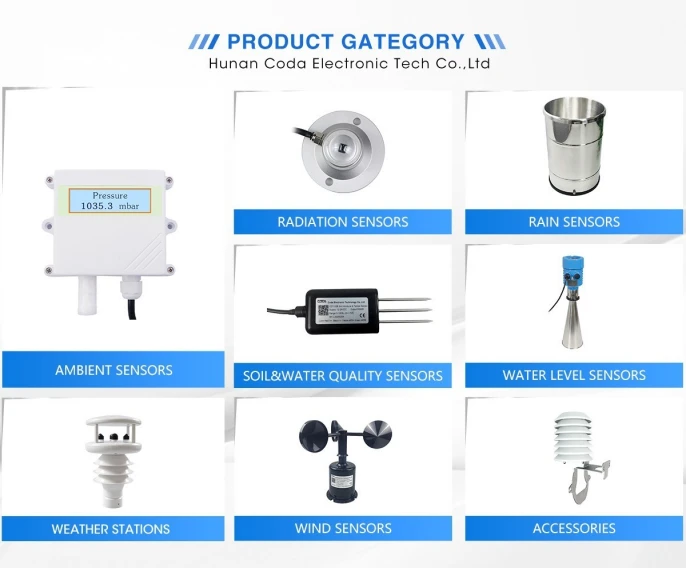
Field monitoring nodes are small, self-running devices. They collect and send environmental data in real time. These nodes usually have several sensors, like temperature, humidity, air quality, and noise sensors.
These sensors help them track many environmental conditions.
By deploying these nodes in the field, researchers, scientists, and environmental managers can better understand conditions. They can track changes over time. They can also make informed decisions on conservation, sustainability, and environmental protection.
With advanced technologies like IoT (Internet of Things), field environmental monitoring nodes can connect to a network. This enables remote monitoring and data analysis.
Applications of Field Environmental Monitoring Nodes
The applications of field environmental monitoring nodes are vast and varied, spanning multiple industries and disciplines. Some of the most significant uses of these nodes include:
Air quality monitoring: Field monitoring nodes can track air pollution levels. They can identify pollution sources. They can also monitor how well emission reduction strategies work.
Water quality monitoring: Nodes can be placed in rivers, lakes, and oceans. They can track water quality, like pH, turbidity, and nutrient levels.
Soil monitoring: Field monitoring nodes can track soil moisture, temperature, and nutrient levels. They provide useful insights for agriculture, forestry, and land management.
Noise pollution monitoring: Nodes can monitor noise levels in cities and natural areas. This helps identify noise sources and develop mitigation strategies.
Wildlife monitoring: Field monitoring nodes can track animal movements, behavior, and population changes. This provides useful insights for conservation and wildlife management.
Benefits of Field Environmental Monitoring Nodes
The benefits of field environmental monitoring nodes are numerous, and include:
Real-time data collection: Nodes can collect and transmit data in real time. This allows rapid response to environmental changes and emergencies.
Increased accuracy: Automated data collection lowers the risk of human error. It provides more accurate and reliable data.
Cost savings: Field environmental monitoring nodes reduce the need for manual data collection. They save time, money, and resources.
Improved decision-making: By providing detailed, real-time data, nodes can guide decisions. They also support more effective environmental management.
Scalability: Field environmental monitoring nodes are easy to deploy in large numbers. This supports wide environmental monitoring and data collection.
Challenges and Future Directions
While field environmental monitoring nodes have the potential to revolutionize environmental monitoring, there are still challenges to be addressed. Some of the key challenges include:
Data management: Field environmental monitoring nodes generate large amounts of data.
They require advanced data management systems to store, analyze, and interpret it.
Sensor calibration: Ensuring sensor data is accurate and reliable is critical, and it needs regular calibration and maintenance.
Power and connectivity: Field environmental monitoring nodes need reliable power and a network link to send data. This can be hard in remote or hard-to-reach areas.
Security: Nodes can be open to tampering or cyber attacks. This shows the need for strong security steps. These steps protect data and block unauthorized access.
In conclusion, field environmental monitoring nodes are a strong tool for monitoring the environment. They offer many benefits and uses.
By giving real-time, accurate, and reliable data, these nodes help people make better decisions. They support conservation and sustainability. They also help protect the environment.
As the technology continues to evolve and improve, we can expect to see even more innovative applications and solutions emerge. Key takeaways from this blog post include:
Field monitoring nodes are a powerful tool for environmental monitoring.
Nodes can track many environmental factors. These include air quality, water quality, soil health, and noise pollution.
Field environmental monitoring nodes collect data in real time. They improve accuracy. They cut costs. They support better decision-making.
Challenges include managing data, calibrating sensors, ensuring power and connectivity, and maintaining security.
The future of field environmental monitoring nodes is exciting and full of promise. It offers chances for innovation and growth in the coming years.