The Core Functionality and Applications of 4G DTU
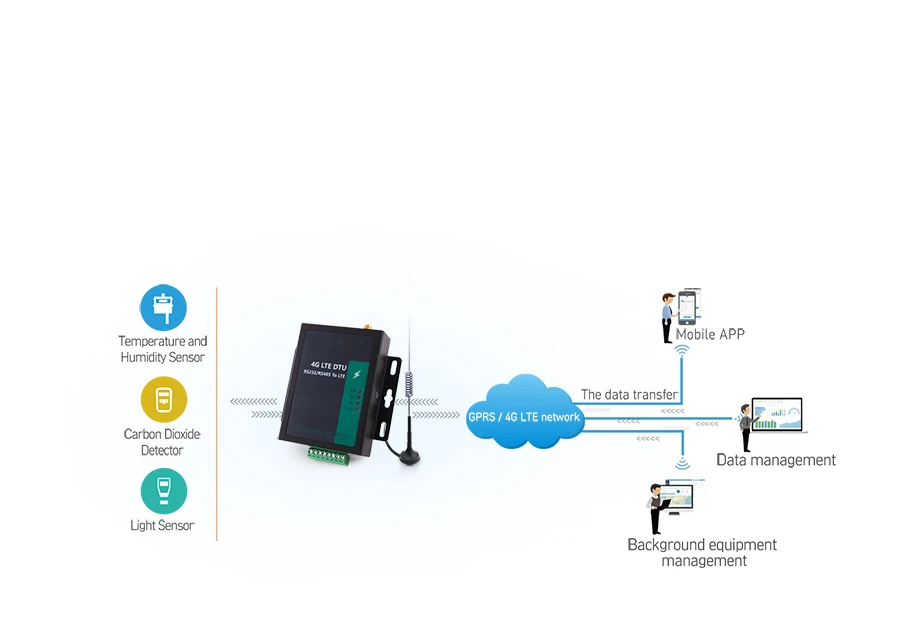
A Data Transfer Unit (4G DTU) is a wireless terminal device. It enables efficient data communication. It converts serial data to IP data, and IP data to serial data. And it uses wireless communication networks.
DTUs are widely used in meteorology, hydrology, water resource management, and geology. They play a key role in reliable data transmission.
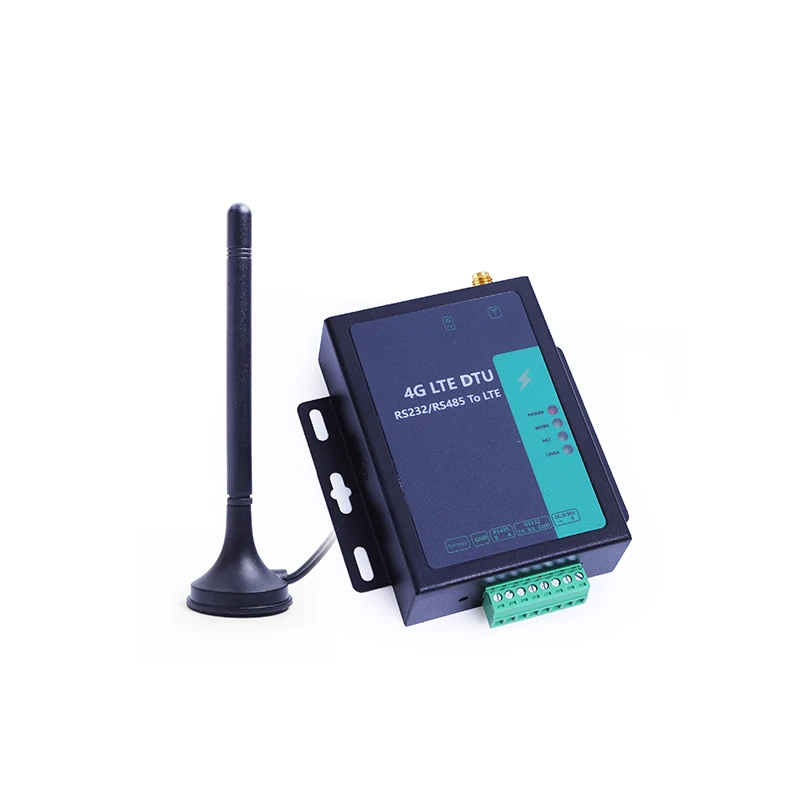
A 4G DTU integrates cutting-edge technology, including high-performance industrial-grade 8/16/32-bit communication processors and robust wireless modules. It runs on an embedded real-time operating system that acts as its software backbone. Equipped with RS232 and RS485 (or RS422) interfaces, it connects directly to serial devices.
This enables transparent data transmission.Below are some key functions of the 4G DTU:
1. **Integrated TCP/IP Protocol Stack**
The 4G DTU uses the PPP dial-up protocol. It also uses the TCP/IP protocol stack in its embedded operating system. As hardware, it works like an embedded PC and a wireless GPRS modem. It allows GPRS internet access and efficient TCP/IP data communication.
2. **Bidirectional Conversion for Serial Data**
Featuring serial interfaces like RS232, RS485, and RS422, the 4G DTU enables transparent data conversion. It converts serial port data into TCP/IP packets without changing the content. This feature works with many user devices that use serial communication protocols. It needs no changes.
3. **Permanent Online Connectivity with Heartbeat Functionality**
Leveraging GPRS network benefits, 4G DTUs are designed to stay online at all times.
When the mobile gateway is idle, it may disconnect from the central server. However, sending heartbeat packets keeps the connection active. These are small data bursts sent between the DTU and the central server. Moreover, the 4G DTU supports automatic reconnection, redialing, and other methods to restore connectivity after a disconnect.
4. **Configurable Serial Port Parameters**
Since user equipment can have different serial port setups, the DTU lets users change the baud rate. Users can also change the parity. This helps ensure smooth and reliable communication with connected devices.
5. **Customizable and Persistent Parameter Settings**
The 4G DTU lets users set key settings, such as data center IP addresses, port numbers, and serial port baud rates. These settings are stored in permanent memory, such as FLASH or EEPROM. This helps the DTU run smoothly after it reboots, using the saved settings.
**Our Commitment to Innovation and Growth**
At Changsha CODA Technology Co., Ltd., we design and produce advanced communication tools.
These include 4G and 5G industrial routers, PLC gateways, DTUs, RTUs, LoRa gateways, and other smart devices. With a focus on innovation, professionalism, and user-centered solutions, we attract skilled professionals. They help drive our success.
We advance technology and provide excellent customer service. We also improve our infrastructure and facilities to meet changing market needs.