—
Introduction: Why Rainfall Sensors Are the Game‑Changer for Modern Farming
Picture this: you’re a farmer or a hobbyist gardener, standing on a field or a balcony, watching clouds gather. You’ve got a watering schedule planned, but the weather keeps throwing curveballs. Too much rain can ruin a crop, too little can stunt growth. Traditional weather forecasts give you a general idea, but they’re not precise enough for the exact moment your plants need water. Enter the rainfall sensor—a tiny, yet powerful device that turns raw precipitation data into actionable insights. Whether you’re managing a commercial farm, a greenhouse, or just a backyard garden, a rainfall sensor can help you conserve water, boost yields, and reduce labor costs. Let’s dive into how these devices work, why they matter, and how you can get started.
1. What Is a Rainfall Sensor?
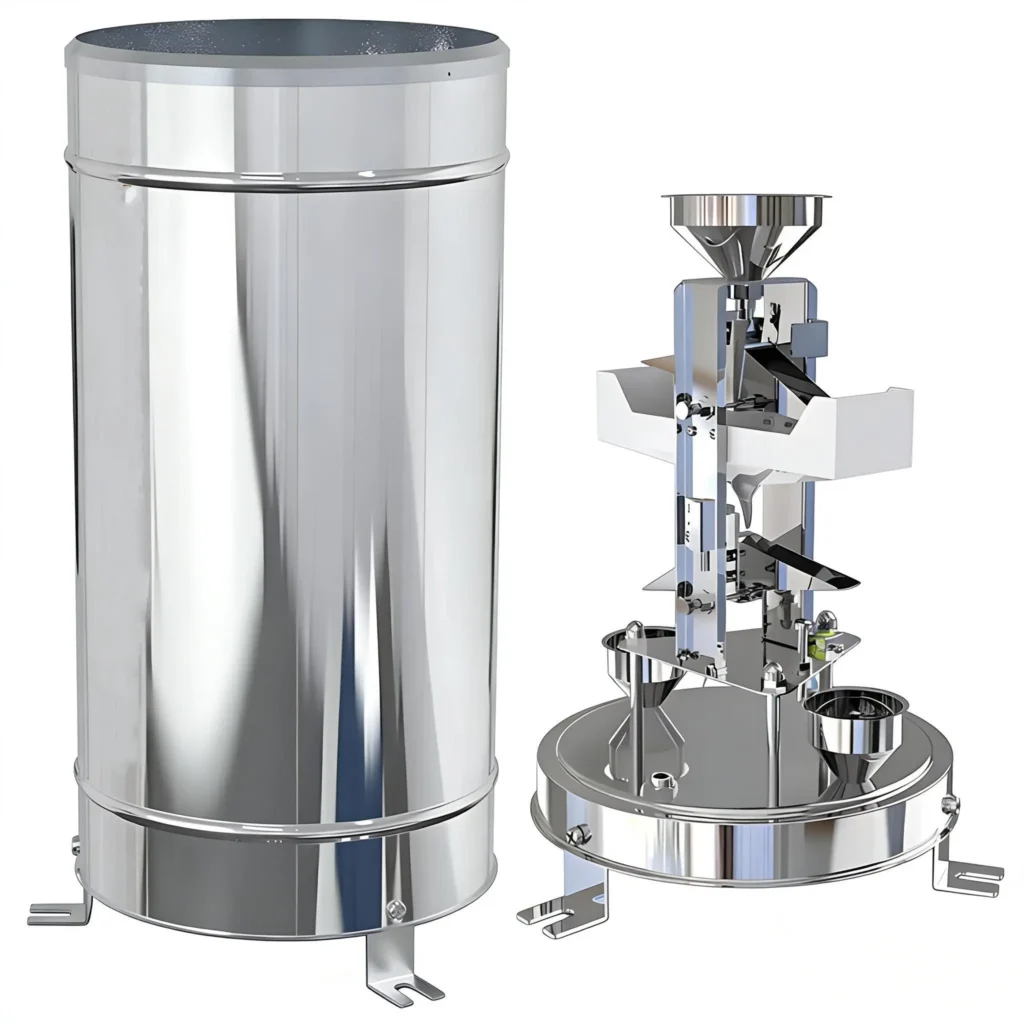
Rainfall sensors, also known as precipitation or rain sensors, are electronic devices designed to detect and measure rainfall intensity and volume. They come in several types, each with its own pros and cons:
| Type | How It Works | Typical Applications | Pros | Cons |
|——|————–|———————-|——|——|
| Tipping Bucket | A small bucket tips when water accumulates to a certain level, triggering an electronic signal. | Agriculture, irrigation control, weather stations. | Highly accurate, low power, inexpensive. | Requires maintenance, can be clogged by debris. |
| Optical (Laser/LED) | Emits a light beam; raindrops interrupt the beam, counted by a sensor. | Precision agriculture, smart irrigation. | No moving parts, fast response. | Sensitive to dust, requires power. |
| Capacitive | Measures changes in capacitance caused by water accumulation on a sensor surface. | Indoor/outdoor weather stations, IoT devices. | Compact, low cost, no moving parts. | Can be affected by humidity and temperature. |
Most rainfall sensors provide output in the form of pulses (tipping bucket) or digital signals (optical/capacitive). These signals can be fed into microcontrollers, PLCs, or IoT platforms for real‑time monitoring and automation.
—
2. Why You Need a Rainfall Sensor
2.1. Precision Irrigation Automation
Modern irrigation controllers (e.g., Rachio, Rain Bird, Hunter) can integrate rainfall data to adjust watering schedules on the fly. If a sensor detects 0.5 inches of rain, the system can skip the next irrigation cycle, saving water and energy.
2.2. Water Conservation and Cost Savings
Every gallon of water saved translates to lower utility bills and a smaller environmental footprint. According to the USDA, a typical household can save up to $200 per year by using smart irrigation based on real‑time rainfall data.
2.3. Enhanced Crop Yield and Quality
Accurate precipitation monitoring helps farmers avoid over‑watering, which can lead to root rot, and under‑watering, which stresses plants. Precise control improves soil health, nutrient uptake, and ultimately yields.
2.4. Data-Driven Decision Making
Rainfall sensors feed data into larger farm management systems or cloud platforms. With historical rainfall trends, you can plan planting schedules, predict pest outbreaks, and optimize fertilizer application.
—
3. Choosing the Right Rainfall Sensor for Your Needs
When selecting a rainfall sensor, consider the following key specifications:
| Specification | Why It Matters | What to Look For |
|—————|—————-|——————|
| Accuracy | Determines how close the sensor’s reading is to actual rainfall. | ± 0.05 in for tipping bucket; ± 10 % for optical. |
| Range | The maximum rainfall intensity the sensor can measure. | 0–5 in/h for most agricultural use. |
| Power Source | Battery‑powered sensors are portable; mains‑powered sensors are stable. | Solar‑powered or low‑power microcontrollers for remote sites. |
| Connectivity | Wired (RS‑232, Ethernet) vs wireless (Wi‑Fi, LoRa, NB‑IoT). | Choose based on network infrastructure and range. |
| Durability | Exposure to dust, salt spray, and temperature extremes. | IP65 or higher rating for outdoor use. |
| Cost | Balance budget with performance. | Tipping bucket ~$50; optical $200–$400. |
Actionable Checklist
1. Define your application – Agriculture, greenhouse, or hobby gardening.
2. Determine the environment – Coastal salt spray, desert dust, or temperate climate.
3. Decide on integration – Do you need Wi‑Fi, LoRa, or simple wired output?
4. Set a budget – High‑end sensors offer better accuracy but cost more.
—
4. Installing and Integrating a Rainfall Sensor
4.1. Mounting
- Height: Place the sensor at least 1.5 m above the ground to avoid ground runoff.
- Orientation: For tipping bucket sensors, ensure the bucket is level and free from obstruction.
- Protection: Use a weatherproof enclosure with ventilation to prevent overheating.
4.2. Wiring and Power
- Tipping Bucket: Connect the two output leads to a microcontroller’s digital input. Provide a 5 V supply if required.
- Optical/Capacitive: Connect to a microcontroller’s analog input or use a digital interface if the sensor has one.
- Power Options: Use a 12 V DC adapter or a low‑power battery pack. For remote sites, consider solar panels with a charge controller.
4.3. Calibration
1. Initial Calibration: Use a calibrated rain gauge or a known rainfall event to compare sensor output.
2. Adjust Thresholds: For tipping bucket sensors, calibrate the bucket volume by measuring the weight of a known water volume.
3. Software Calibration: Many controllers allow you to set a “rainfall per pulse” value. Adjust this value based on your calibration.
4.4. Integration with Irrigation Controllers
- Direct Wiring: Connect the sensor output to the irrigation controller’s rain sensor input.
- IoT Platforms: Use a Node‑MCU or ESP32 to read sensor data and send it via MQTT or HTTP to a cloud service (e.g., ThingsBoard, Blynk).
- Automation Rules: Set rules such as “If rainfall > 0.3 in, skip next watering cycle for 24 h.”
4.5. Data Logging
- Store rainfall data locally on an SD card or upload to cloud storage.
- Use timestamps to correlate rainfall with crop performance and irrigation events.
—
5. Common Troubleshooting and Maintenance Tips
| Issue | Symptoms | Fix |
|——-|———-|—–|
| Clogging | No pulses detected during heavy rain | Clean the bucket or sensor lens; use a fine‑mesh filter. |
| Sensor Drift | Gradual change in rainfall readings | Re‑calibrate; replace sensor if drift is significant. |
| Power Loss | Sensor stops sending data | Check battery levels; install a low‑power sleep mode. |
| Data Latency | Delayed rainfall reporting | Verify network latency; use a local cache. |
| Environmental Interference | Erratic readings due to dust or humidity | Upgrade enclosure; use a humidity‑controlled environment. |
Regularly inspect the sensor every 3–6 months, especially after storm events, to ensure it’s clean and functioning correctly.
—
6. DIY Rainfall Sensor Projects
For tech enthusiasts, building a DIY rainfall sensor can be both fun and educational. Below is a quick starter kit using an ESP32 and a tipping bucket.
6.1. Materials
- ESP32 Dev Board
- Tipping bucket sensor
- 10 kΩ pull‑up resistor
- Breadboard and jumper wires
- Enclosure (IP65 rated)
6.2. Wiring Diagram
“`
Tipping Bucket Output ──┬─ ESP32 GPIO 15 (Input)
│
├─ 10 kΩ → 3.3 V (Pull‑up)
“`
6.3. Sample Code (Arduino IDE)
“`cpp
const int sensorPin = 15; // GPIO 15
volatile int pulseCount = 0;
unsigned long lastPulseTime = 0;
const unsigned long debounce = 100; // ms
void IRAM_ATTR handlePulse() {
unsigned long now = millis();
if (now – lastPulseTime > debounce) {
pulseCount++;
lastPulseTime = now;
}
}
void setup() {
pinMode(sensorPin, INPUT_PULLUP);
attachInterrupt(digitalPinToInterrupt(sensorPin), handlePulse, FALLING);
Serial.begin(115200);
}
void loop() {
static unsigned long lastReport = 0;
unsigned long now = millis();
if (now – lastReport >= 60000) { // report every minute
int pulses = pulseCount;
pulseCount = 0;
float rainfall = pulses * 0.1; // example: 0.1 in per pulse
Serial.printf(“Rainfall: %.2f inn”, rainfall);
lastReport = now;
}
}
“`
6.4. Enhancements
- Wi‑Fi: Send data to a cloud dashboard using MQTT.
- LoRa: For remote farms without Wi‑Fi coverage.
- Data Logging: Store rainfall data on an SD card for offline analysis.
—
Conclusion: Key Takeaways
1. Rainfall sensors translate precipitation into actionable data—ideal for precision irrigation, water conservation, and crop optimization.
2. Choose the right sensor by evaluating accuracy, range, power, durability, and cost to fit your specific application.
3. Proper installation and calibration are essential for reliable readings; mount at the correct height, protect from debris, and calibrate against a standard gauge.
4. Integrate with irrigation controllers or IoT platforms to automate watering schedules and gather long‑term weather insights.
5. Maintain and troubleshoot regularly—clean, calibrate, and monitor power to keep the system running smoothly.
6. DIY projects empower hobbyists to build custom solutions, especially with microcontrollers like ESP32, and can be a great learning experience.
Whether you’re a seasoned farmer, a greenhouse manager, or a weekend gardener, a rainfall sensor can elevate your water management strategy, save resources, and ultimately boost plant health. Embrace the data, automate the process, and let your crops thrive in sync with the weather.
—