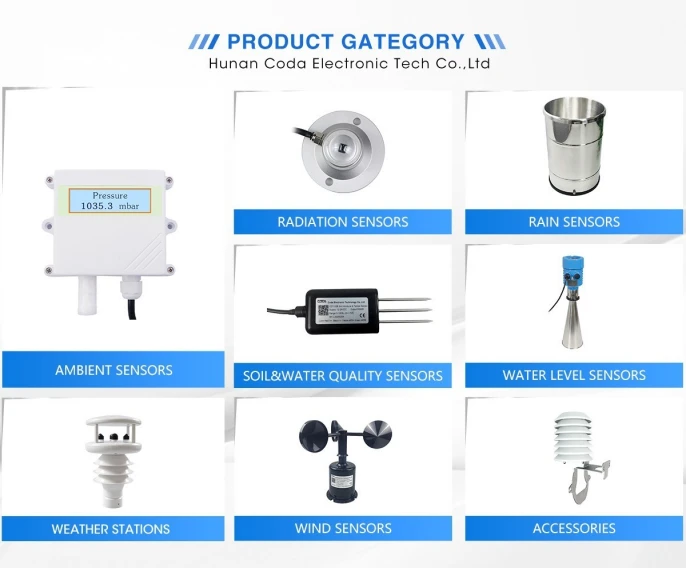
Are you tired of wasting water and money on unnecessary irrigation? Do you want to reduce your environmental footprint and make a positive impact on the planet? Look no further than the rainfall sensor, a revolutionary device that’s changing the way we manage water and conserve this precious resource. In this comprehensive guide, we’ll delve into the world of rainfall sensors, exploring their benefits, types, and applications, as well as providing valuable tips on how to choose and install the right sensor for your needs.
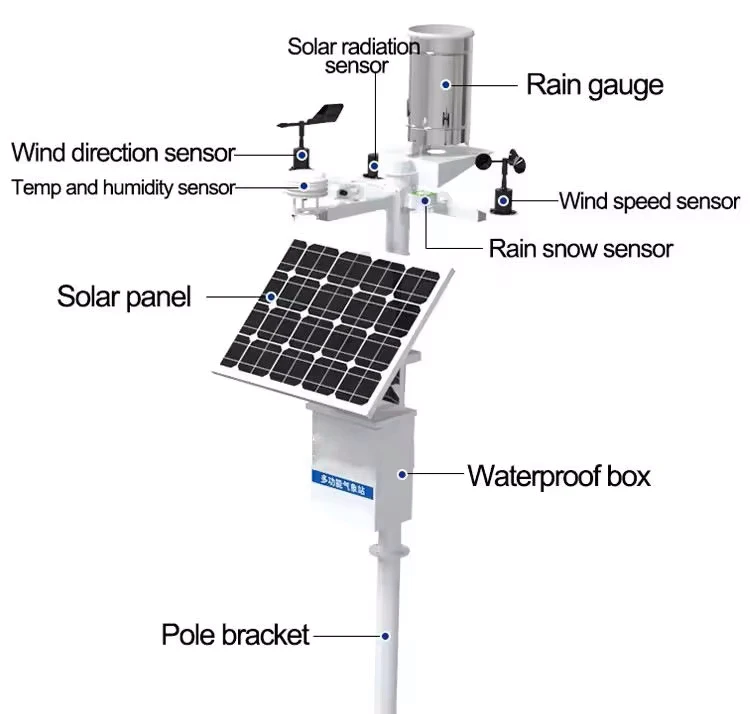
Introduction to Rainfall Sensors
A rainfall sensor, also known as a rain gauge or rain sensor, is a device that measures the amount of rainfall in a given area. This information can be used to control irrigation systems, preventing unnecessary watering and reducing water waste. Rainfall sensors are commonly used in agriculture, horticulture, and urban planning, but they’re also becoming increasingly popular among homeowners and gardeners who want to conserve water and reduce their environmental impact. By using a rainfall sensor, you can ensure that your plants receive the right amount of water, without overwatering or underwatering them. This not only saves water but also reduces the risk of plant diseases and pests, which can thrive in overwatered conditions.
How Rainfall Sensors Work
So, how do rainfall sensors work? The basic principle is simple: the sensor measures the amount of rainfall in a given area and sends a signal to an irrigation controller, which then adjusts the watering schedule accordingly. There are several types of rainfall sensors available, including:
- Tipping bucket rain gauges: These sensors use a tipping bucket to measure rainfall. As the bucket fills with water, it tips, triggering a switch that sends a signal to the irrigation controller.
- Optical rain sensors: These sensors use infrared or ultrasonic technology to detect rainfall. They’re more accurate than tipping bucket rain gauges and can detect even small amounts of rainfall.
- Capacitive rain sensors: These sensors use a capacitor to measure the amount of rainfall. They’re highly accurate and can detect rainfall in real-time.
When choosing a rainfall sensor, it’s essential to consider factors such as accuracy, durability, and compatibility with your irrigation system. You should also look for sensors that are easy to install and maintain, as well as those that offer additional features such as temperature and humidity sensing.
Applications of Rainfall Sensors
Rainfall sensors have a wide range of applications, from agriculture and horticulture to urban planning and conservation. Some of the most common applications include:
- Irrigation control: Rainfall sensors can be used to control irrigation systems, preventing unnecessary watering and reducing water waste.
- Weather monitoring: Rainfall sensors can be used to monitor weather patterns, providing valuable insights into precipitation trends and patterns.
- Flood warning systems: Rainfall sensors can be used to detect heavy rainfall and trigger flood warnings, helping to prevent damage to property and infrastructure.
- Water conservation: Rainfall sensors can be used to promote water conservation, by providing accurate and reliable data on rainfall patterns and trends.
In addition to these applications, rainfall sensors can also be used in a variety of other contexts, such as:
- Smart cities: Rainfall sensors can be used to create smart cities, by integrating with other sensors and systems to provide real-time data on weather patterns and precipitation trends.
- Agricultural research: Rainfall sensors can be used in agricultural research, to study the impact of rainfall on crop yields and plant growth.
- Environmental monitoring: Rainfall sensors can be used to monitor environmental conditions, such as soil moisture and water quality.
Choosing and Installing a Rainfall Sensor
Choosing the right rainfall sensor for your needs can be a daunting task, especially with so many options available on the market. Here are some tips to help you choose and install a rainfall sensor:
- Consider your budget: Rainfall sensors can range in price from under $100 to over $1,000, depending on the type and features.
- Choose a sensor that’s compatible with your irrigation system: Make sure the sensor you choose is compatible with your irrigation system, to ensure seamless integration and control.
- Look for sensors with additional features: Consider sensors that offer additional features, such as temperature and humidity sensing, to provide more comprehensive data and insights.
- Install the sensor in a location that’s representative of your area: Install the sensor in a location that’s representative of your area, to ensure accurate and reliable data.
In terms of installation, it’s essential to follow the manufacturer’s instructions and take into account factors such as:
- Sensor placement: Place the sensor in a location that’s exposed to the elements, but protected from extreme weather conditions.
- Sensor calibration: Calibrate the sensor according to the manufacturer’s instructions, to ensure accurate and reliable data.
- System integration: Integrate the sensor with your irrigation system, to ensure seamless control and automation.
Conclusion
In conclusion, rainfall sensors are a powerful tool for smart water management and conservation. By providing accurate and reliable data on rainfall patterns and trends, these sensors can help reduce water waste, promote water conservation, and mitigate the impacts of extreme weather events. Whether you’re a homeowner, gardener, or agricultural professional, a rainfall sensor can be a valuable addition to your toolkit. By choosing the right sensor for your needs and installing it correctly, you can unlock the full potential of rainfall sensing and make a positive impact on the environment. Key takeaways include:
- Rainfall sensors can help reduce water waste and promote water conservation.
- There are several types of rainfall sensors available, including tipping bucket rain gauges, optical rain sensors, and capacitive rain sensors.
- Rainfall sensors have a wide range of applications, from irrigation control to weather monitoring and flood warning systems.
- Choosing the right rainfall sensor for your needs requires careful consideration of factors such as budget, compatibility, and features.
- Installing a rainfall sensor requires careful placement, calibration, and system integration.
By following these tips and guidelines, you can unlock the full potential of rainfall sensing and make a positive impact on the environment. Remember, every drop counts, and with the right rainfall sensor, you can ensure that your plants receive the right amount of water, without wasting a single drop.