Why Precise Weather Station Tracking Matters More Than Ever Today
In our modern world, reliable and accurate weather data is essential for everyone. Whether you’re a farmer, a construction worker, or in aviation or traffic management, reliable weather data helps you decide. It also helps keep you safe.
This article will help you understand how professional weather stations work and what their instruments do. It will also show how they can help in your personal and professional life. Keep reading to learn key facts about these tools and how to use them.
What Is a Weather Station?
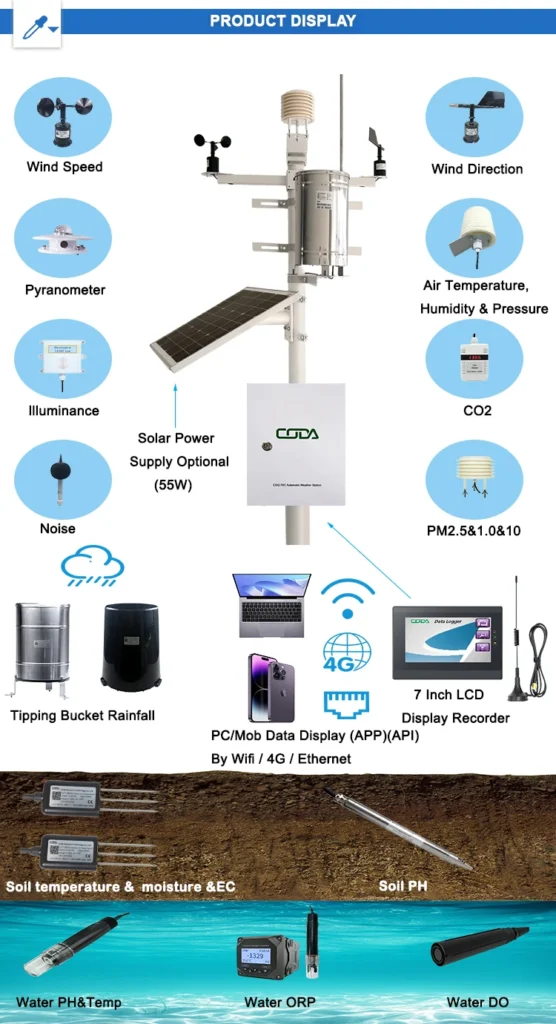
A weather station is a device with several sensors. It measures environmental factors like air temperature, humidity, wind speed, and precipitation. These sensors convert physical changes into electrical signals. The signals are shown as data or sent to computers or smartphones.
The collected data can be utilized for weather forecasting, research, and even day-to-day tasks. Large networks of weather stations can study weather conditions across wide areas. They provide reliable, useful insights that support informed decisions.
Understanding Weather Tools and Their Practical Importance
Weather instruments are tools. They measure and record specific weather conditions. These devices are essential for farmers, scientists, and everyday users who need accurate environmental data.
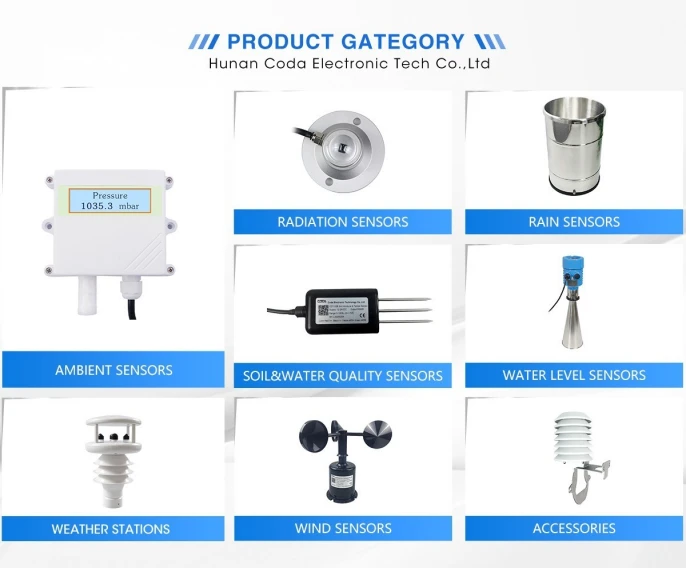
Common Weather Instruments and Their Functions:
– **Thermometer:** Measures temperature.
– **Barometer:** Monitors air pressure.
– **Anemometer:** Tracks wind speed and direction.
– **Hygrometer:** Gauges atmospheric moisture levels.
– **Rain Gauge:** Calculates rainfall.
– **Weather Station Sensors:** Collects and stores detailed weather data.
Weather Station vs. Standalone Weather Instruments:
A holistic weather station combines all sensors in one system. It provides detailed, accurate data for large areas. This makes it ideal for research and large-scale projects.
Conversely, standalone instruments measure one or two specific values. They cost less and work well for small tasks or general use.
Where Are Professional Weather Stations Frequently Utilized?
Professional weather stations are vital in many fields where accurate weather data can greatly affect results.
– **Agriculture and Farming:** Farmers use accurate data on temperature, humidity, and rainfall. This helps them plan crops, manage irrigation, and prevent damage.
– **Science and Research:** Researchers use this data to support studies in climate change, weather, and environmental science.
– **Airports and Aviation:** Accurate readings of wind speed, direction, and weather conditions help keep flights safe and on time.
– **Smart Cities and Infrastructure:** Weather insights help prevent floods and manage hazards in urban areas.
– **Industries:** For factories and other sectors, weather stations provide data on environmental conditions needed for safe, productive operations.
Why Every Home Could Benefit From a Weather Station
Owning a home weather station is a valuable tool for daily use and emergency planning.
From choosing what to wear each day to knowing when to secure your windows for a storm, the benefits are clear.
These devices help families track temperature, humidity, wind speed, and rainfall. This is vital for homes with children or older adults. They may need extra care during extreme weather.
With your own weather station, you can plan activities better. You can also prepare early for storms or bad weather. This helps prevent disruptions or risks in your daily life.
How Does an Automatic Weather Station Operate?
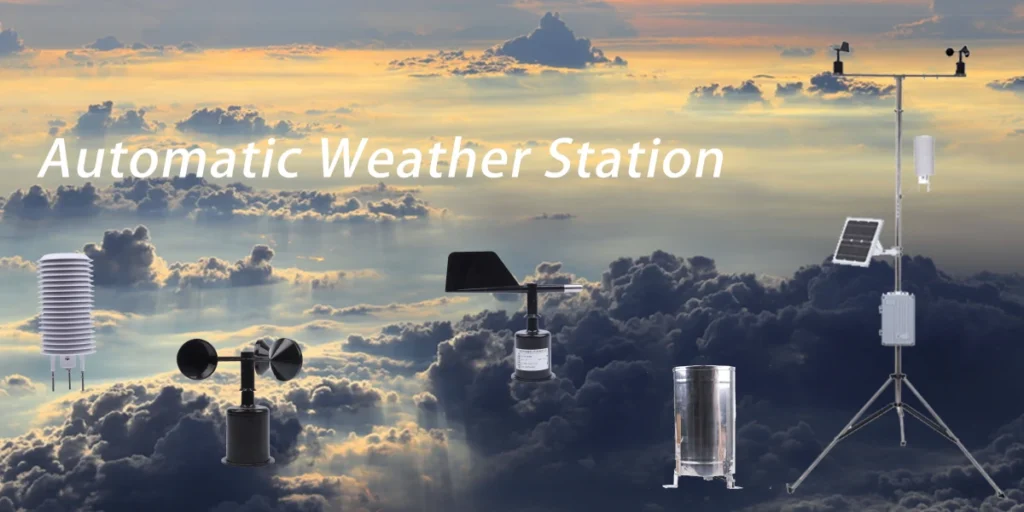
An automatic weather station gathers meteorological information through multiple sensors. These instruments track essential conditions such as temperature, humidity, wind velocity, and rainfall or other forms of precipitation.
The collected data is sent at once to a computer or mobile device. This removes the need for constant human oversight.
This technology ensures accurate, up-to-date information is available at all times. Many of these stations are part of larger networks. These networks collect data across wide areas.
This large set of data helps weather forecasts, scientific research, and everyday decisions. Because the system runs on its own, it greatly reduces human errors. It also delivers fast, reliable results.
Benefits of Modern Weather Monitoring Technology
Advanced weather monitoring tools like IoT sensors, AI systems, satellites, and radar provide accurate, reliable information. Modern advances improve decision-making and strengthen safety across many sectors.
– **Enhanced Safety and Preparation:**
Timely weather alerts help people respond better to hazards like storms or floods.
– **More Accurate Forecasting:**
Global networks improve prediction models by collecting broad data to increase accuracy.
– **Real-Time, Localized Data:**
Immediate, locati0n-specific information supports work in construction, farming, and airports.
– **Higher Efficiency and Cost Savings:**
Sectors like construction can improve operations and cut material waste.
– **Agriculture:**
Farmers can plan irrigation, planting, and pest control efficiently based on precise weather information.
– **Aviation and Marine Navigation:**
Reliable data on storms, fog, and other hazards improves safety and saves fuel during travel.
– **Renewable Energy Optimization:**
Solar and wind energy systems can boost output. They also protect equipment from harsh conditions.
– **Construction Planning and Safety:**
Weather updates help plan projects and keep workers safe in different environments.
– **Remote 24/7 Monitoring:**
Systems run all the time, sending critical weather updates, even in remote or dangerous areas.
– **Improved Data Analysis for Research:**
Access to long-term weather data assists in studying climate patterns and trends.
Conclusion
Weather monitoring is now a vital part of modern life. Whether you are a farmer, pilot, or homeowner, quick access to accurate weather information is very valuable. Professional devices like weather stations and advanced weather instruments meet many needs, from personal use to industrial work.
Selecting the right system depends on your needs. A simpler device may work for a home or small farm. A more advanced automated system will better serve research institutions or large industries.
Explore our clear guide to help you choose reliable weather monitoring solutions that fit your needs.