As the world becomes more digital, we must track and manage environmental factors. One key part is sensing temperature and humidity, especially outdoors. Temperature and Humidity Sensors play an essential role in providing accurate data for these conditions.
Whether you’re a farmer trying to boost crop yields, these sensors can help. They are also useful for facility managers who need to keep conditions stable. Researchers who study climate change can use them too. Outdoor multi-point temperature and humidity sensors are essential tools.
But what are these sensors, and how can you use them to reach your goals? In this complete guide, we will explore outdoor multi-point temperature and humidity sensors. We will cover their uses, benefits, and best practices for setup and care.
Understanding Outdoor Multi-Point Temperature Humidity Sensors
Outdoor multi-point temperature and humidity sensors are advanced devices. They measure temperature and humidity in many outdoor settings. These sensors often have many sensing points. These points can be placed to show the full conditions around them.
By using advanced tools like wireless communication and data logging, these sensors help users.
Users can track temperature and humidity in real time. This helps users review data, make informed choices, and get better results.
One main benefit of outdoor multi-point temperature and humidity sensors is their accurate, reliable data.
They work well even in harsh outdoor conditions. Unlike traditional sensors, which can fail in extreme weather, these sensors resist the elements. They ensure stable data collection and sharing.
Additionally, many outdoor multi-point temperature and humidity sensors are easy to use.
They have simple interfaces and easy-to-use software. This makes it easier to set up, monitor, and maintain the sensors.
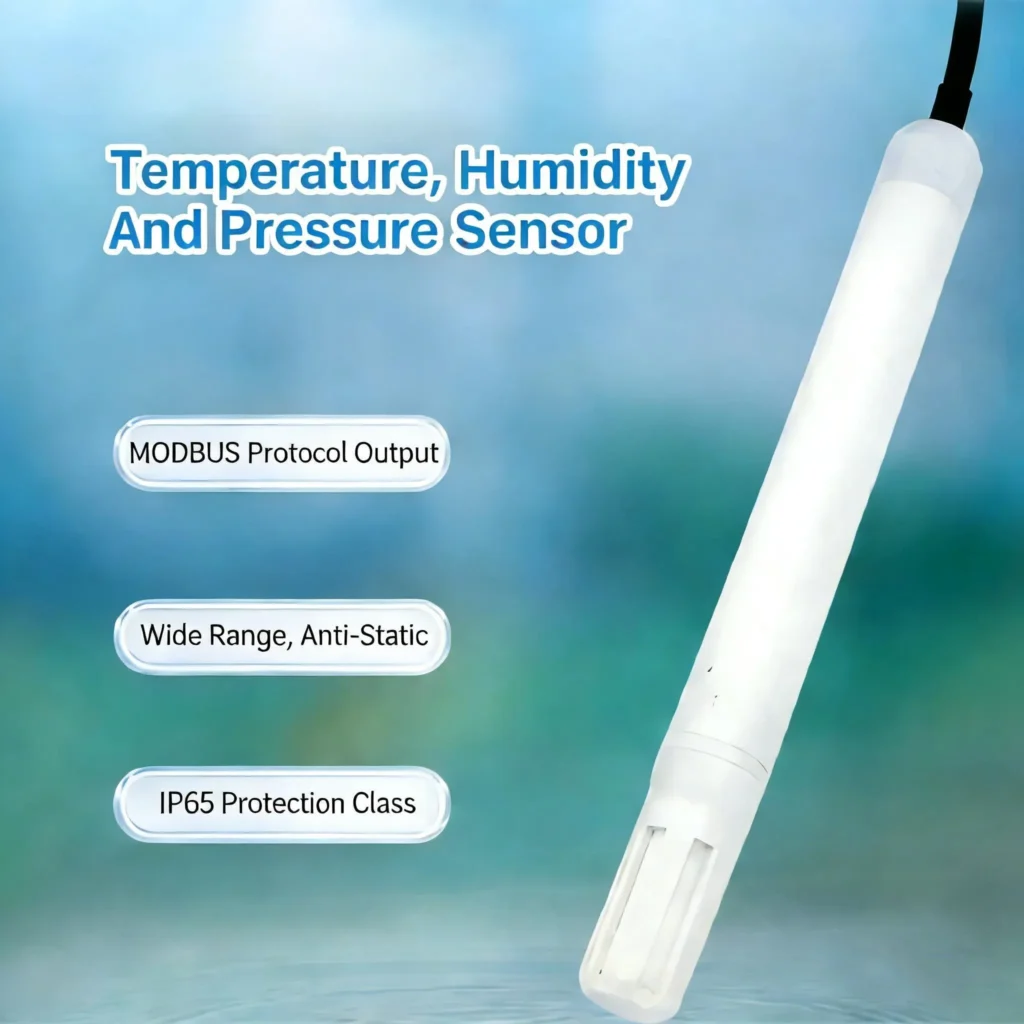
Applications of Outdoor Multi-Point Temperature Humidity Sensors
Outdoor multi-point temperature and humidity sensors have many uses. They support many industries and sectors. In agriculture, these sensors can track soil moisture, temperature, and humidity.
This helps farmers plan irrigation schedules, use fertilizer well, and protect crops. This can raise crop yields, use less water, and boost profits.
In research and development, outdoor multi-point temperature and humidity sensors matter.
They help monitor the climate.
They also support environmental research. By collecting and analyzing data on temperature and humidity, scientists can learn how climate change affects us. This helps guide policy choices and risk reduction plans.
Furthermore, these sensors can study microclimates, urban heat islands, and other environmental effects.
They help us better understand the links between human activities and the natural environment.
Best Practices for Installation and Maintenance
To get good performance and accurate readings, follow best practices. Install and maintain outdoor multi-point temperature and humidity sensors correctly. First, place sensors in key locations to get accurate measurements of the environment.
This may involve installing sensors at different heights, angles, and distances from the area of interest. Additionally, sensors should be protected from direct sunlight, rain, and extreme temperatures. These conditions can affect accuracy and reliability.
Regular maintenance is crucial. It extends the lifespan of outdoor multi-point temperature and humidity sensors. It also helps prevent data loss. This includes cleaning the sensors, checking for damage or wear, and confirming calibration.
Many modern sensors can calibrate themselves and run self-checks automatically. This makes it easier to find and fix issues before they become big problems. By following these best practices, users can make sure their outdoor multi-point temperature and humidity sensors work well.
These sensors can provide accurate data.
They can also give reliable data. This helps people make informed decisions and get better results.
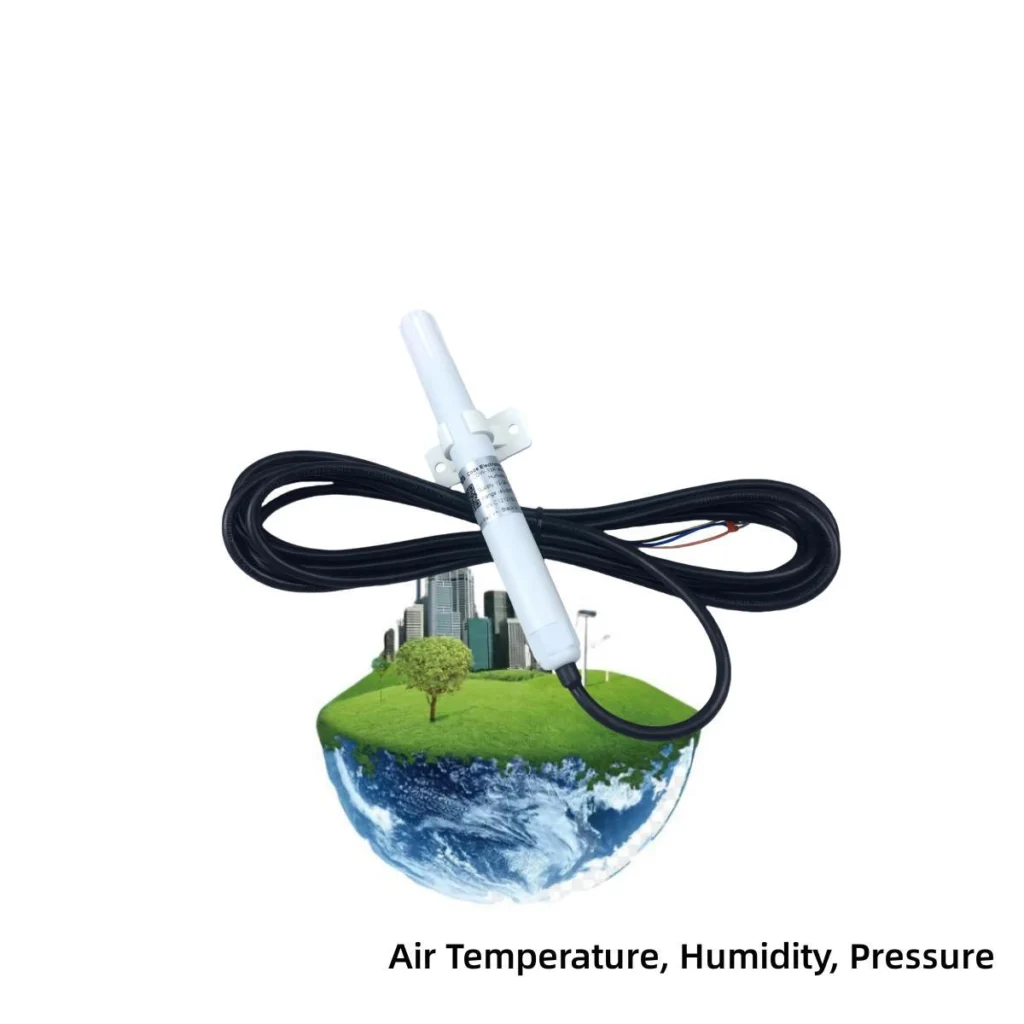
Choosing the Right Outdoor Multi-Point Temperature Humidity Sensor
With many outdoor multi-point temperature and humidity sensors on the market, picking the right one can feel daunting. When you evaluate sensors, consider accuracy, resolution, and response time. Also consider the communication protocol and data logging features. It is also important to check the sensor’s durability and its resistance to environmental stress.
This includes temperature extremes, humidity, and exposure to chemicals or pollutants.
Another key point is how well the sensor fits your current infrastructure and software systems. Many outdoor multi-point temperature and humidity sensors work well with popular data platforms. Users can easily set up data. They can monitor it and analyze it.
By checking these factors and choosing a sensor that fits your needs, you can get the most from outdoor temperature sensors. You can reach your goals with confidence.
In conclusion, outdoor multi-point temperature and humidity sensors are powerful tools. They can help you master the great outdoors. By knowing their uses, benefits, and best practices for setup and care, you can use these sensors well. You can improve results, make better decisions, and succeed in your work.
Whether you are a farmer, researcher, or facility manager, these sensors offer many ways to improve and grow. They can drive new ideas and support environmental care. So why wait?
Explore outdoor multi-point temperature and humidity sensors today. See the difference they can make in your life. Key takeaways include:
Outdoor multi-point temperature and humidity sensors give accurate, reliable data in harsh outdoor environments.
These sensors have many uses across industries, including agriculture, research, and facility management.
Best practices for installation and maintenance are vital. They help ensure optimal performance and accuracy.
Choosing the right sensor needs careful review of key factors like accuracy, durability, and compatibility.
Outdoor multi-point temperature and humidity sensors can help you reach your goals. They can improve results and support success in your work.