Optimizing Agriculture with Smart Farm Weather Stations
In today’s changing farming world, being accurate and efficient is key to success. Reliable weather data is very important. It helps farmers and farm managers make good choices. These choices impact how much crops grow, how resources are used, and how sustainable farming is.
Farm weather stations are now very important in modern farming. They provide real-time climate data that changes how we usually do things. These advanced systems gather important data such as temperature, humidity, rainfall, and wind speed. This helps farmers improve their planting schedules, irrigation methods, and pest control measures.
The use of agricultural weather stations is changing how farms operate. They are moving from reacting to managing ahead of time. This helps farmers see changing weather conditions. They can change their plans to lower risks and boost productivity.
Real-time weather data is important for farming. It helps with daily tasks and long-term plans. This involves managing resources and reaching sustainability goals.
These weather stations are more than just tools. And they are key parts of today’s farming. They help the industry use data and focus on precision.
What is a Farm Weather Station?
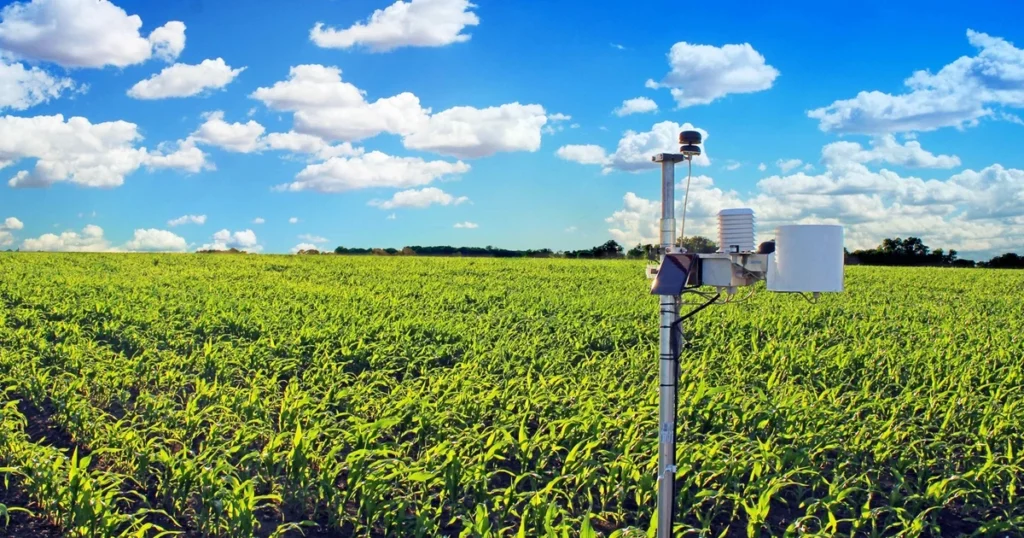
A farm weather station is a smart system. It measures and records different weather factors that affect farming. These stations have many sensors and tools.
They gather important local environmental data for better farm management. They give clear weather information. This helps farmers make good choices about growing crops, watering, and protection.
Key Components of a Farm Weather Station
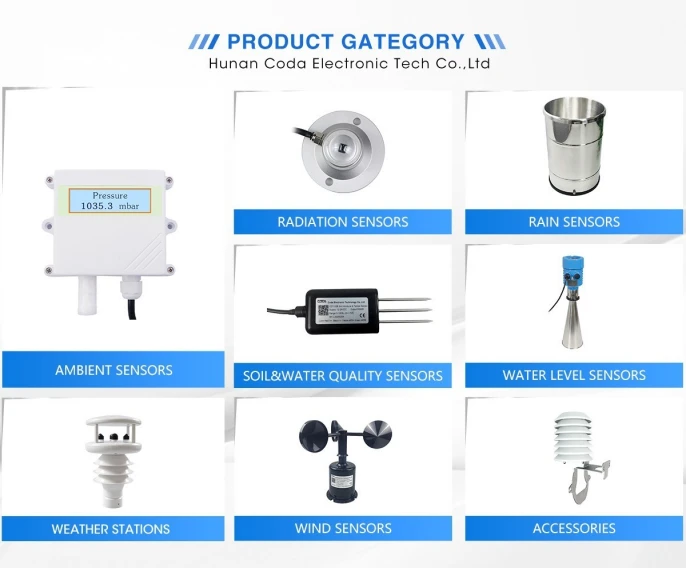
1. **Temperature Sensor**: It measures air temperature. This helps us understand heat stress and frost risk for crops.
2. **Rain Gauge**: Tracks rainfall levels to help with irrigation planning and water management.
3. **Humidity Sensor**: It tracks moisture in the air. This helps us know how much water plants need and checks for disease risks.
4. **Wind Speed and Direction Sensors**: Provides wind data essential for spray operations and evaluating evapotranspiration processes.
5. **Solar Radiation Sensor**: It measures sunlight strength. This helps us see how well plants use photosynthesis and how much water they need.
More advanced setups may have extra features. You can use soil moisture sensors, leaf wetness monitors, and atmospheric pressure sensors. This helps provide a better understanding of microclimatic conditions.
Data Collected by Farm Weather Stations
Agricultural weather stations collect a broad spectrum of data points that are vital for decision-making:
1. **Temperature**: Daily highs and lows to manage heat or frost risks effectively.
2. **Rainfall**: Here is the adjusted text:”Detailed data on rainfall shows how much and how hard it rains. This helps with irrigation and water management.”
3. **Humidity**: Levels of air moisture that help guide disease prevention and irrigation decisions.
4. **Wind Speed and Direction**: Patterns and speeds affect soil conditions, how well fertilizers work, and the risks of erosion.
5. **Solar Radiation**: Measuring sunlight exposure is important for calculating evapotranspiration. It also helps in optimizing plant growth.
This data collection brings a new level of precision to farming. It helps farmers make their work better right away. They can boost crop yields and reduce their effect on the environment. Farm weather stations show how technology can help make farming better and more efficient.
**Advantages of Utilizing Farm Weather Stations**
Farm weather stations offer many benefits. They help farmers manage their farms better and support sustainability. These systems give farmers accurate data. They also provide useful insights for better crop management and yield forecasting.
1. **Improved Crop Management and Accurate Yield Forecasting**
Farm weather stations help track local weather conditions accurately. This is important for finding the best times to plant and harvest.
Seasonal weather patterns greatly affect these decisions. Farmers can delay planting their crops if they think it will be cold. This helps them avoid frost damage.
They can also pick the best moisture levels for harvesting. This helps stop crops from spoiling, especially for delicate ones like grains. Real-time weather data helps find pest or disease outbreaks early. These outbreaks are often linked to specific weather conditions.
This advantage helps us focus on specific actions. This improves crop health and increases yields. The data we collect helps make crop modeling better. This helps farmers predict their yields better. This is important for planning and marketing.
2. **Efficient Resource Management and Reduced Waste**
One key benefit of farm weather stations is that they help reduce resource waste. These systems give farmers accurate weather information for their area. This helps them change irrigation schedules based on the current weather and soil moisture. This helps save water, use less energy for irrigation, and lower carbon emissions.
Also, targeted fertilizer application is possible with information from weather stations. Farmers can adjust nutrient use based on the needs of their crops at different growth stages.
This helps stop overuse. It also reduces runoff and pollution. This careful use of resources lowers costs and helps create healthier soils and ecosystems.
3. **Driving Sustainability Efforts**
Farm weather stations help manage key resources such as water and fertilizers. This supports sustainable farming practices. These practices help lower environmental harm, boost soil health, and make farming systems more resilient to climate change.
The data from these stations helps meet sustainability standards and environmental rules. This boosts the reputation and marketability of farm products.
Farm weather stations are changing agriculture. They help make farming more precise, productive, and sustainable.
Their benefits are not just small improvements. They bring major changes to farming. These changes offer important solutions for the changing climate and growing environmental problems.
Choosing the Ideal Weather Station for Your Farm
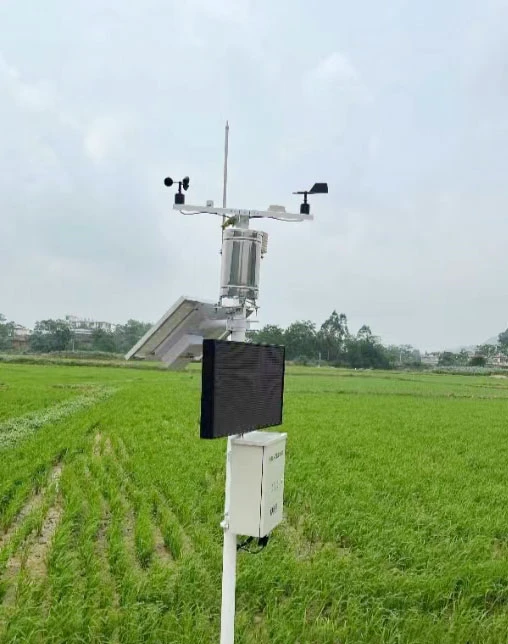
Choosing the right weather station for your farm is an important decision. It can greatly affect the productivity and sustainability of your farming efforts. With many options available, making a good choice means you need to analyze your specific needs. This will help ensure the system fits well with your farming goals.
▍Key Considerations When Choosing a Weather Station
1. Farm Size:
The size of your farm is important in deciding what kind of weather station you need. Larger farms may need several sensors placed in different spots to monitor conditions effectively. Smaller farms can often work well with just one main weather station.
2. Crop Requirements:
The type of crops you grow will affect which factors you focus on. For example, vineyards need detailed data on humidity and leaf wetness to prevent fungal problems. Grain growers pay more attention to soil moisture and temperature. This helps them improve their growth and harvest plans.
3. Relevant Weather Parameters:
Identify the key weather conditions that impact how well your farm performs. For example, if the wind affects how well spraying works, it is important to invest in a station with good wind sensors. Areas that often have frost can greatly benefit from systems that predict big drops in temperature.
▍Types of Weather Stations and Their Applications
1. Basic Models:
These basic stations provide key information like temperature, humidity, and rainfall measurements. They are ideal for small farms or simpler farming tasks. Basic climate monitoring meets most needs in these cases.
2.Mid-Range Systems:
These systems have extra features. They include gauges for wind speed and direction, monitors for solar radiation, and sensors for soil moisture. They help farms get better data to improve farming practices without using very technical analysis.
3.High-End AI Systems:
Smart weather stations use artificial intelligence. They offer detailed data analysis and monitor conditions in real-time. These systems help forecast the weather, model crop diseases, and automate tasks such as managing irrigation. Designed for larger farms or those using technology, they help farmers use precision farming for better efficiency and yield.
▍Steps to Select the Right Weather Station
1. Clarify Your Needs:
Start by looking at what your farm needs. Consider its size, crops, and weather.
2. Conduct Thorough Research:
Look at different brands and models that fit your needs for function, durability, and cost.
3. Seek Professional Opinions:
Talk to agricultural experts or connect with other farmers. They can provide useful insights about the pros and cons of different systems.
4. Plan for Future Growth:
Choose a system that can grow with your needs and work with new technologies.
5. Ensure Reliable Support:
Pick a manufacturer that provides reliable services after your purchase. Look for help with installation, maintenance options, and extended warranties.
Investing in a weather station designed for your farm helps you gather useful information. This can optimize resources and improve efficiency.
▍Conclusion: Driving Farming Innovation Through Technology
Weather stations play a key role in today’s farming. These systems do more than just measure weather conditions. They help farmers make smart choices. This improves efficiency, raises yields, and helps sustainability.
By using real-time weather monitoring tools, farmers can better predict changes in the environment. This helps them take action quickly and use resources more efficiently. This change shows a larger trend toward precision agriculture. It helps farms deal with climate changes and resource issues better.
Hunan Coda Electronic Tech Co., Ltd leads in innovation. They offer advanced weather station solutions. These help farms deal with current challenges and future opportunities. Our advanced monitoring systems help farmers stay competitive and support sustainable farming practices.
With Coda Sensor’s skills and new technologies, farms can succeed by blending tradition and modern methods. This shows that the future of farming is not just about adapting but also about thriving in today’s changing world.